
Land for Sale in Kenya – Buy Genuine Plots Online
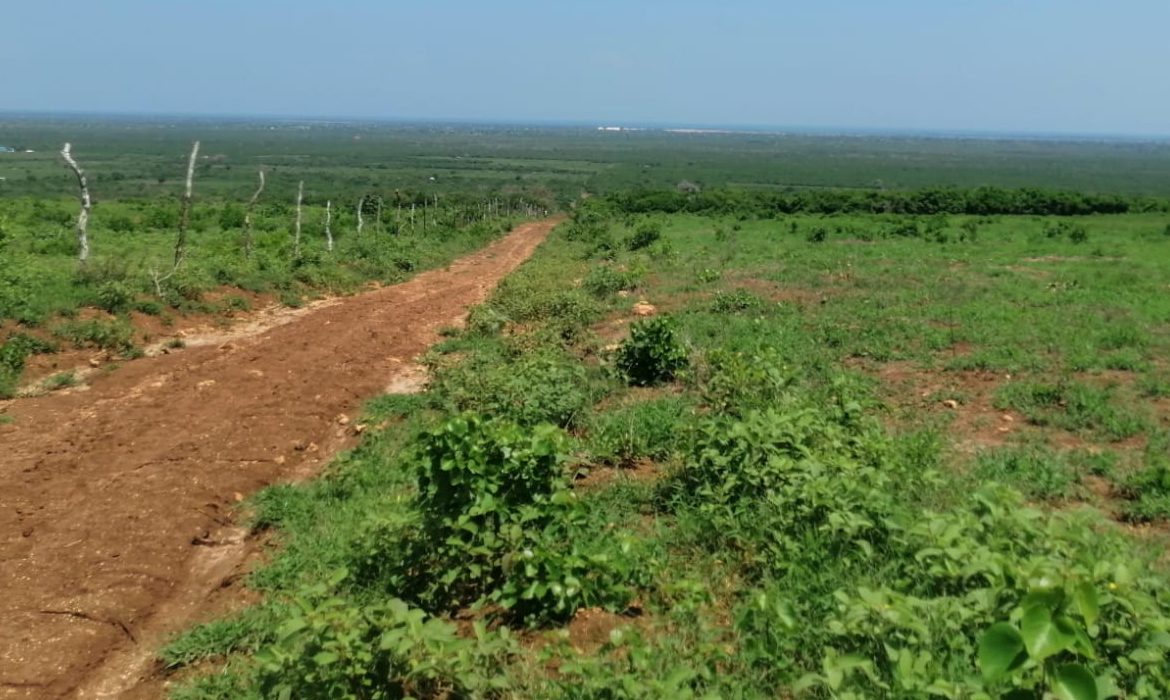
Land for Sale in Kenya
Discover how to buy genuine land online in Kenya safely. Our comprehensive guide covers top regions, legal checks, realistic costs, avoiding scams, step‑by‑step buying process, and tips to find verified plots for sale in Kenya.
Services Included When Buying Land Online
Verified Listings & Search Filters
Land for Sale in Kenya
Most online platforms offer verified land listings in Kenya that you can filter by county, price, plot size, and land type. Verified listings reduce the risk of encountering ghost plots or fraudulent sellers. Platforms like BuyRentKenya allow users to refine searches based on location, proximity to towns, or development potential. This feature is especially useful for buyers who want to invest in high-demand areas or seek land for specific purposes such as farming, residential construction, or commercial ventures. Filters save time and help you focus on genuine plots that match your investment goals.
Agent & Developer Assistance
Professional guidance is included in many online services, with licensed agents and developers assisting buyers throughout the process. Agents help with negotiations, clarifying payment terms, and handling documentation to prevent errors that could delay transfers. Platforms like PropertyPro Kenya provide access to vetted agents who know local regulations and pricing trends. Developer assistance is particularly helpful for new plots or upcoming projects, ensuring buyers understand development plans, expected completion dates, and long-term investment value.
Legal & Due Diligence Services
Online land services often include legal and due diligence checks, such as verifying title deeds, performing land searches, and ensuring surveys are up to date. These steps protect buyers from acquiring disputed or encumbered land. Lawyers and advocates linked to the platforms assist with preparing contracts, conducting background checks on sellers, and guiding buyers through county approvals. Due diligence also involves confirming zoning rules, environmental compliance, and obtaining necessary clearances. Ensuring these checks are completed reduces legal risks and builds confidence for online land purchases.

Cost Breakdown: How Much Buying Land Really Costs
Land Purchase Price (Primary Cost)
The primary cost of buying land in Kenya depends on location, land size, and type. Residential plots near Nairobi, Ruiru, or Kitengela generally cost more due to proximity to amenities and development potential. Coastal areas such as Mombasa, Kilifi, and Diani may also attract higher prices because of tourism and infrastructure developments. Interior regions, including Rift Valley and Central Highlands, often offer affordable options. Platforms like BuyRentKenya allow buyers to compare prices across counties, helping identify plots that meet budget and investment goals. Choosing the right plot requires balancing location advantages with available finances.
Government & Professional Fees
When buying land, government and professional fees form a significant portion of total costs. Stamp duty ranges from 2% for rural plots to 4% for urban land of the assessed value (realestatekenya.net). Legal fees typically range from 1–2% of the purchase price and cover lawyer services during the transaction. Valuation and survey fees ensure the plot is correctly measured and valued (jumuika.co.ke). Land search and registration fees are essential for confirming title deed authenticity and completing the transfer. Budgeting for these ensures compliance with Kenyan regulations and protects your investment.
Hidden & Optional Costs
Additional hidden or optional costs can impact your total investment. Land clearing, utility connections, county land rates, and agent commissions (usually paid by the seller but negotiable) may add extra expenses (reddit.com). Planning for these costs avoids delays and surprises during development or transfer. Buyers should also consider potential improvements or fencing to enhance the land’s usability and value. Understanding both mandatory and optional costs ensures realistic budgeting and a smooth purchase process.

Factors Influencing Land Prices in Kenya
Understanding the factors influencing land prices in Kenya is key for making informed investment decisions. Land costs are not uniform; they vary widely based on location, legal status, demand, and planned developments. Buyers need to evaluate these factors before purchasing to ensure they get the best value for their investment. Awareness of these influences also helps avoid overpaying for plots in highly sought-after areas or in regions with limited development potential.
Location & Accessibility
The location and accessibility of a plot significantly affect its price. Land near major towns like Nairobi, Mombasa, and Kisumu tends to be more expensive due to proximity to schools, hospitals, shopping centers, and public services. Accessibility also matters: plots near paved roads, public transport routes, or new infrastructure projects generally have higher value. Utilities such as electricity, water, and internet connectivity can further influence prices. Buyers should consider both present amenities and future infrastructure plans when selecting land, as these factors directly impact resale value and development potential.
Title Status
The title deed type is another critical factor affecting land value. Freehold land, where the owner has indefinite rights, is generally more expensive than leasehold land, which is held for a fixed period (commonly 33, 66, or 99 years). Clear and transferable title deeds reduce risk and are more attractive to investors. Checking the authenticity of the title through government records or a licensed lawyer ensures that the buyer avoids disputes or fraudulent claims. Title status not only impacts the initial purchase price but also affects future development and resale potential.
Demand & Development Plans
Areas slated for high demand or government and private development typically command higher land prices. Real estate investors often target locations near new roads, industrial parks, or commercial hubs, anticipating value appreciation. Coastal areas with tourism potential or regions near universities and business centers also experience price surges. Studying county development plans, investment trends, and population growth patterns helps buyers predict long-term value, making these plots a more strategic investment for residential, commercial, or agricultural purposes.
Legal & Regulatory Considerations
Before buying land in Kenya, understanding the legal and regulatory considerations is essential to protect your investment and avoid disputes. The Kenyan land market is regulated to ensure that buyers acquire genuine plots with clear ownership rights. Compliance with laws, verification of title deeds, and proper documentation are critical steps when purchasing land online or offline. Ignoring these aspects can lead to ownership conflicts, fraud, or delayed transfers.
Title Deed Verification
Verifying the title deed is the most crucial step in any land purchase. Buyers should always confirm the deed’s authenticity through government records or eCitizen portals. Fake or double-sold titles are a common source of fraud in Kenya (maploti.com). Engaging a licensed lawyer or advocate helps ensure that the title is valid, transferable, and free from disputes. Title verification protects both your investment and peace of mind.
Land Control Board (LCB) Consent
The Land Control Board (LCB) approval is mandatory for most land transfers, especially in rural and agricultural plots. Consent from the LCB ensures that the sale complies with government regulations and prevents illegal transfers. Buyers must document the approval as part of the transaction to guarantee legal ownership (constructionkenya.com). Without LCB consent, the transfer can be invalidated, putting the buyer at risk.
Land Search and Clearance Certificates
A land search and clearance certificate confirms that the plot is free of encumbrances, unpaid rates, or disputes. Clearing outstanding land rates or rents is essential before transferring ownership (constructionkenya.com). These checks prevent future legal complications and ensure a smooth registration process.
Regulatory Compliance
Buyers must also understand zoning regulations and land-use restrictions. Agricultural, residential, and commercial plots have different rules, and foreign buyers face additional restrictions on ownership. Complying with regulations avoids fines, disputes, or land seizures, ensuring that your investment remains secure and usable.
Snippet: Legal checks for buying land in Kenya include title deed verification, LCB consent, land search, and regulatory compliance to ensure a secure purchase.
CTAs:
- Verify Title Deeds Before Buying Land
- Consult a Licensed Land Lawyer
Lawyer checking land documents
Land control board approval form
Clearance certificate example
Zoning map with agricultural/residential/commercial areas
How to Choose the Right Plot (Step‑by‑Step)
Choosing the right plot in Kenya involves careful planning and consideration of purpose, location, and legality. Buyers need a structured approach to select land that aligns with their investment goals or personal use. Following a step-by-step process minimises risks and ensures the chosen plot meets long-term objectives.
Define Your Purpose
Start by defining your purpose for buying land. Determine whether it is for residential construction, investment, or agricultural use. Understanding the objective helps focus your search on the most suitable plots and guides budgeting, size requirements, and location preferences.
Filter Online Land Listings
Use online platforms to filter land listings by price, county, size, and type (buyrentkenya.com). Filters save time and highlight genuine plots that meet your criteria, making the search efficient and targeted.
Verify Seller & Documents
Always verify the seller and documents. Conduct a land search to confirm ownership, check for disputes, and engage a licensed lawyer to review contracts. Ensuring authenticity protects against fraud and ensures smooth transactions.
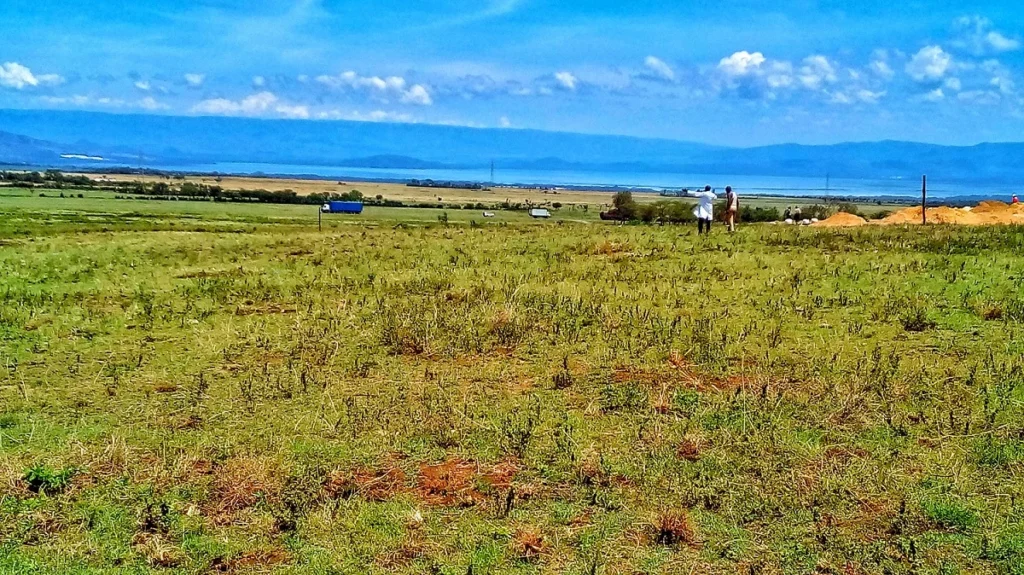
Physical Visit or Virtual Tour
Inspect the plot through a physical visit or virtual tour. Verify boundaries, accessibility, and nearby infrastructure. Remote buyers can request drone footage or live video walkthroughs, which are increasingly provided by trusted online platforms.
Negotiate Price & Terms
Negotiate price and payment terms carefully. Agree on deposits, installments, or lump-sum payments with documented receipts. Negotiation ensures a fair deal while safeguarding your investment.
Complete Transaction & Transfer
Finalise the purchase through a licensed advocate or lawyer to handle the transfer. Ensure LCB consent, clearance certificates, and title deed registration are completed. This step guarantees that ownership is legally transferred and recorded correctly.
Snippet: Follow a structured approach to choosing the right plot in Kenya, including defining purpose, filtering listings, verifying documents, inspecting the site, negotiating terms, and completing the transfer.
CTAs:
- Browse Verified Land Listings Now
- Hire a Licensed Advocate for Your Land Purchase
Buyer inspecting a plot physically
Drone footage or virtual tour screenshots
Lawyer facilitating land transfer
Negotiation with seller images
Conclusion
Buying land in Kenya online can be a safe, convenient, and profitable investment when you follow the proper steps. With verified listings, legal due diligence, and professional support, buyers can minimize risks while making strategic property purchases. Understanding costs, title deed verification, and regulatory requirements ensures that your investment is secure and future-proof. Performing thorough checks before committing to a purchase protects your investment and ensures smooth ownership transfer. By combining online research, physical or virtual inspections, and expert guidance, you can confidently select plots that match your purpose, budget, and long-term goals. Remember, careful planning and verification are key to avoiding scams and costly mistakes