
2 Bedroom House Designs in Kenya: Best Plans for Small Plots

2 Bedroom House Designs in Kenya
Explore modern and affordable 2‑bedroom house designs in Kenya for small plots — including sample floor plans, cost breakdowns (in KSh), layout ideas, budgeting tips and how to choose the best plan for your land.
Introduction
2 Bedroom House Designs in Kenya: Best Plans for Small Plots are increasingly popular for homeowners who want to maximise functionality on limited land. These designs combine practicality, affordability, and modern aesthetics, making them ideal for small families, couples, or investors looking to build rental units. In this article, we explore different layouts, average costs, floor areas, and tips on how to optimise a small plot without compromising comfort. You will also learn how to choose the right plan that suits your lifestyle and budget.
Why 2‑Bedroom Homes Make Sense on Small Plots in Kenya
Ideal for small families, young couples or first-time homeowners
2-bedroom homes are perfect for small families or couples starting their first home in Kenya. They provide enough private space for rest and storage while keeping living areas compact and manageable. First-time homeowners often prefer 2-bedroom designs because they are simpler to plan, build, and maintain, while still offering modern amenities such as open-plan living areas or a small veranda. These homes are also versatile, making them suitable for rental purposes or as temporary starter homes that can be expanded later.
Lower land requirement — good for small plots or narrow lots
One of the major benefits of 2-bedroom house designs is that they can fit on small plots or narrow lots, which are common in urban and peri-urban Kenya. A compact layout can efficiently utilise a plot as small as 8–9 meters in width without making the interior feel cramped. By optimising room placement, such as positioning bedrooms towards the rear and communal areas at the front, homeowners can create a functional, well-ventilated home. This flexibility makes 2-bedroom homes an excellent choice for areas where land is expensive or plots have irregular shapes.
More affordable and easier to build compared to larger homes
Smaller homes require fewer construction materials, which directly reduces building costs. Labor expenses and ongoing utility bills are also lower, making 2-bedroom homes more affordable than larger properties. Additionally, their simpler structure allows for faster construction timelines and easier project management. Homeowners can invest in quality finishes or modern design elements without significantly increasing the overall budget, making 2-bedroom houses a practical option for both personal residences and rental properties.
Typical Sizes and Floor Areas for 2‑Bedroom Houses in Kenya
Common plinth area ranges (e.g. 70–90 sqm / 60–100 sqm) — rural vs urban
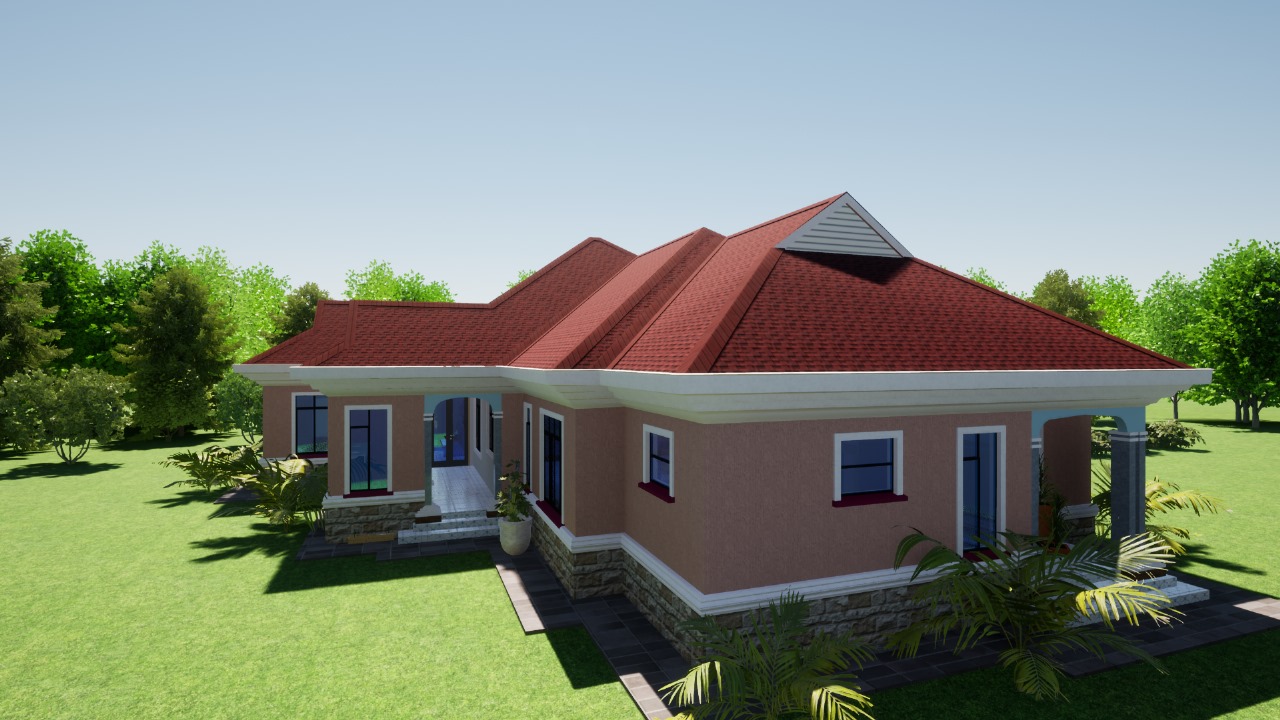
2-bedroom houses in Kenya generally range between 70 sqm and 90 sqm in rural areas and slightly smaller, 60 sqm to 85 sqm, in urban locations due to plot constraints. Larger rural plots allow more freedom for spacious layouts, additional storage, or a small veranda, while urban plots often require compact and creative designs to maximise space. Understanding these plinth area ranges is essential for homeowners to plan furniture, storage, and circulation effectively without making the house feel overcrowded.
Minimum recommended room sizes (bedrooms, living room, kitchen, bathroom) based on local norms or common designs
When planning a 2-bedroom home, it is important to follow recommended room sizes to ensure comfort and usability:
- Bedrooms: 10–12 sqm each to accommodate a bed, wardrobe, and small work area
- Living room: 12–18 sqm to allow seating, circulation, and entertainment space
- Kitchen: 6–10 sqm for a functional cooking area with storage
- Bathroom: 3–5 sqm with adequate space for fixtures
These dimensions strike a balance between space efficiency and practicality, helping small houses feel larger than their actual footprint. Properly proportioned rooms also improve resale value and rental appeal.
What to consider when your plot is narrower or irregular (e.g. 8–9 m width, narrow frontage)
Designing for narrow or irregular plots requires thoughtful planning. Key considerations include:
- Layout: L-shaped or open-plan designs can maximise usable space and allow flexibility in room placement.
- Light and ventilation: Proper window placement ensures every room gets natural light and airflow, improving comfort.
- Space-saving features: Compact kitchens, combined dining/living areas, and built-in storage can optimise every square meter.
- Future expansion: Leave space for adding rooms or a veranda later without compromising circulation.
By addressing these factors early in the design phase, homeowners can create a functional and visually appealing 2-bedroom house even on challenging plots.
Common Layouts & Plan Types for Small 2-Bedroom Houses
Standard rectangular bungalow layout (living + kitchen, 2 bedrooms, 1 bath) — simplicity and cost‑effectiveness
The standard rectangular bungalow layout is one of the most popular 2-bedroom house designs in Kenya. It typically features a living room at the front, a kitchen and dining area in the middle, and two bedrooms at the back, with a single bathroom for shared use. This layout is simple, efficient, and highly cost-effective because it uses a straightforward structural design that minimises construction complexity. Its rectangular shape also allows for easier furniture arrangement and maximises usable floor area.
Compact/narrow‑lot layout for narrow plots
For narrow or elongated plots, compact 2-bedroom house designs are ideal. These layouts position rooms linearly along the length of the plot, often combining the kitchen and dining area with the living space to save space. Bathrooms are placed strategically to avoid awkward corners, and storage solutions such as built-in wardrobes or under-stair storage can optimize limited square footage. This approach ensures the house remains functional and comfortable, even on plots as narrow as 8 meters in width.
L‑shaped or open‑concept designs for better ventilation and natural light
L-shaped and open-concept layouts are increasingly popular in modern 2-bedroom houses in Kenya. By arranging rooms around a central courtyard or veranda, these designs promote cross-ventilation and allow natural light to reach more areas of the home. Open-plan living areas connect the kitchen, dining, and lounge into a single multifunctional space, which creates the perception of a larger interior. These layouts are particularly effective for urban or small plots where maximising airflow and sunlight is crucial for comfort.
Designs with verandas, porches or small patios — adding livability without expanding footprint
Incorporating verandas, porches, or small patios into a 2-bedroom house allows homeowners to enjoy outdoor space without increasing the building footprint. These areas can serve as relaxation zones, entertainment spaces, or small garden extensions. Verandas also provide shade, reduce indoor heat, and improve ventilation, making compact homes feel more spacious and livable. Thoughtful design ensures these outdoor features complement the overall layout while maintaining cost-efficiency.
Cost Estimates & Budgeting (2024–2025) for 2‑Bedroom Houses in Kenya
General cost per sqm estimates by finish level (low, mid, high) — national / regional ranges
The cost of building a 2-bedroom house in Kenya varies depending on the finish level and location. On average:
- Low finish: KES 35,000–45,000 per sqm, basic materials and fittings
- Mid finish: KES 45,000–55,000 per sqm, quality blocks, tiles, and plumbing
- High finish: KES 55,000–70,000 per sqm, premium materials, imported fixtures
These ranges provide a rough guide to help homeowners plan their budgets according to their desired quality and location, whether in Nairobi, Mombasa, or smaller towns.
Typical cost ranges for whole 2-bedroom houses depending on size, location, finishes — e.g. ~KES 3.9M–4.4M for 80–90 sqm in some regions
For an average 2-bedroom house of 80–90 sqm, total construction costs in Kenya typically range between KES 3.9 million and KES 4.4 million, depending on location and finishes. Rural areas may have lower labour and material costs, while urban areas tend to be more expensive. Planning according to these ranges helps avoid overspending and ensures homeowners can choose suitable finishes without compromising essential features.
How finishes, materials, and location (urban vs rural) affect overall cost
The choice of materials, level of finishes, and location has a significant impact on overall construction costs. Using locally sourced concrete blocks, standard roofing sheets, and basic fixtures keeps costs low. Mid-range options such as ceramic tiles, aluminium windows, and quality plumbing slightly increase the budget, while high-end finishes like imported tiles, granite countertops, and premium doors can double the cost. Urban plots often add extra expenses for site preparation, transportation of materials, and higher labour rates.
Hidden and additional costs — permits, site preparation, utility connections, contingency fund
Beyond construction, homeowners must budget for additional costs, including:
- Building permits and approvals from local authorities
- Site preparation such as clearing, leveling, and soil testing
- Utility connections like water, electricity, and sewage
- Contingency fund (around 10–15% of total budget) for unexpected expenses
Accounting for these hidden costs early prevents budget overruns and ensures smoother construction management.
Materials, Finishes, and Construction Methods to Consider
Local concrete blocks vs alternative materials (e.g. lighter/cheaper walling) to save cost
Using local concrete blocks is the most common method for 2-bedroom house designs in Kenya, as they are durable and widely available. However, alternative materials such as lightweight blocks, compressed earth bricks, or interlocking bricks can reduce construction costs and speed up building. These options are especially suitable for small plots where minimising weight on the foundation is important. Choosing the right walling material can save money while maintaining structural integrity and aesthetic appeal.
Roofing choices — simple pitched roof, mabati, flat roof — benefits and tradeoffs
Roofing is a major factor in both cost and design of a 2-bedroom house. Options include:
- Simple pitched roof: Traditional, cost-effective, good for rainwater drainage
- Mabati sheets (corrugated metal): Lightweight, fast to install, budget-friendly
- Flat roof: Modern look, allows future rooftop expansion or solar panel installation
Each type has tradeoffs in durability, insulation, maintenance, and aesthetics. Homeowners must balance cost with long-term benefits, especially on small plots where roof design affects overall space and ventilation.
Affordable finish strategies — basic finishes vs upgrades; how finishing contributes to final cost big-time
Finishes can dramatically impact the overall cost of a 2-bedroom house. Basic finishes such as standard floor tiles, painted walls, and aluminum windows keep costs low. Upgrading to ceramic or granite tiles, premium paints, and higher-quality fixtures increases costs but enhances durability and resale value. Homeowners on small plots should prioritize finishes that improve longevity and appearance without unnecessarily inflating the budget.
Plumbing, electrical, windows, doors — budgeting for essential works vs premium fittings
Plumbing, electrical installations, windows, and doors are essential in every 2-bedroom home. Budget-conscious designs often use standard PVC piping, basic fittings, and aluminum window frames to keep costs low. Premium fittings such as imported taps, timber doors, or designer lighting can significantly increase expenses. Planning these installations in advance ensures the house remains functional while staying within budget.
Modern Design & Functional Tips for Small‑Plot 2‑Bedroom Homes
Open‑plan living / combined kitchen + living/dining to maximise space and save on separations
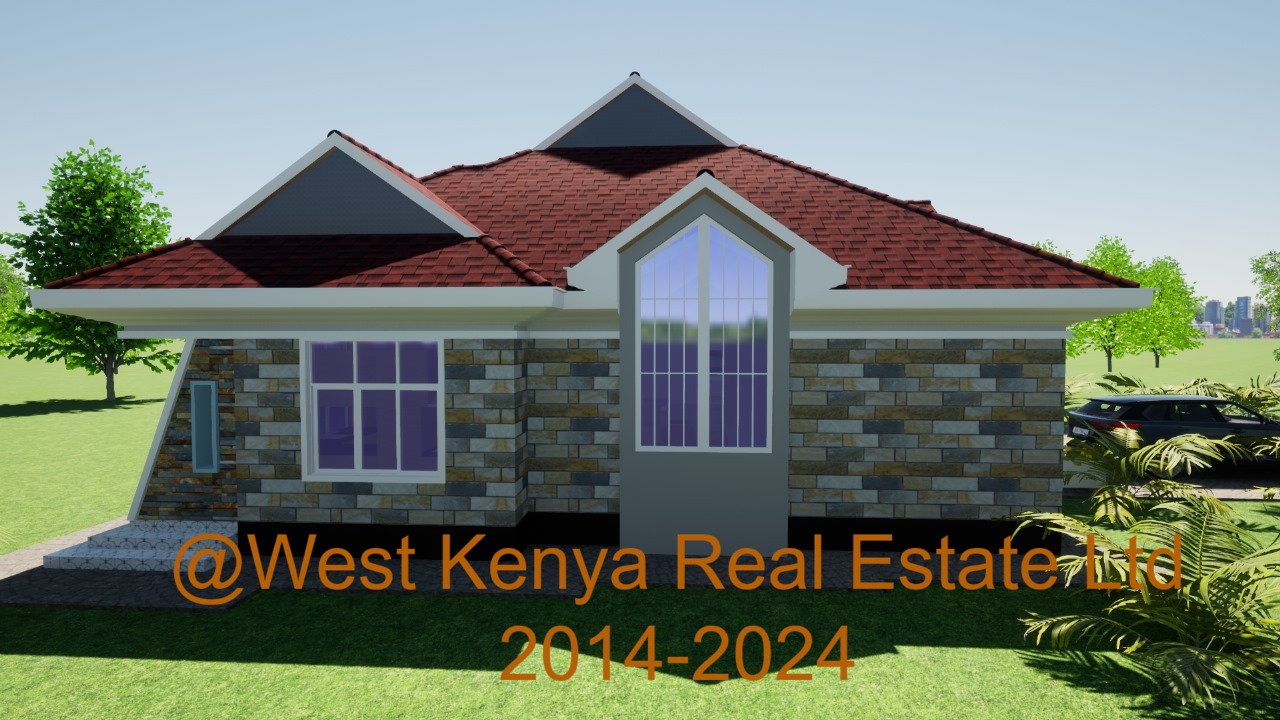
Open-plan layouts are increasingly popular for 2-bedroom house designs in Kenya, especially on small plots. Combining the kitchen, dining, and living areas reduces wasted corridors and creates a spacious feel. This layout also allows more natural light to penetrate the interior, improving ventilation and overall comfort. Homeowners can use partitions, furniture, or sliding doors to create flexible zones within the open space without compromising openness.
Use of built-in storage, multipurpose spaces / flexible room usage to stretch functionality
Small 2-bedroom homes benefit greatly from multipurpose areas and built-in storage. Features like under-stair storage, wall-mounted shelves, or foldable furniture can increase usability without taking up additional floor space. Bedrooms can double as study or home office areas, and living areas can accommodate multiple functions. Thoughtful storage and space management help homeowners make the most of limited square footage.
Orientation, ventilation, natural light — how to design for comfort in compact houses
The orientation of a 2-bedroom house on a small plot affects natural light, airflow, and energy efficiency. Placing windows and doors strategically allows cross-ventilation, reducing the need for artificial cooling. South-facing verandas or patios can shield interiors from harsh sun, while north-facing rooms get consistent daylight. Proper orientation also enhances comfort, reduces electricity costs, and makes small homes feel larger.
Possibility of future expansion — designing footings, leave space for extension
Planning for future expansion is crucial for small plots. Foundations and footings should be designed to support an extra room or rooftop extension later. Leaving open space around the house allows additions without major structural changes. This forward-thinking approach ensures the 2-bedroom home can evolve with the family’s needs, maintaining functionality and investment value over time.
Where to Get Ready-Made 2‑Bedroom House Plans — Options & What to Check
Online plan providers / downloadable PDF plan shops (sample cost & features)
Ready-made 2-bedroom house plans are widely available online through Kenyan providers, offering downloadable PDF files or digital blueprints. These plans often include detailed floor layouts, measurements, and a basic bill of quantities (BOQ), allowing homeowners to estimate costs before starting construction. Prices for online plans vary depending on the complexity and finish level, ranging from a few thousand shillings to KES 20,000–30,000 for more comprehensive packages. This option is convenient for those who want to save on architect fees or who are confident in managing a construction project with minimal custom adjustments.
Working with local architects or draftsmen — benefits and what to ask (bill of quantities, acceptable room sizes, legal compliance)
Hiring a local architect or draftsman is a common approach for 2-bedroom house designs in Kenya. Professionals provide customized layouts that match your plot size, family needs, and style preferences. Key benefits include:
- Tailored design to suit your land shape and size
- Accurate bill of quantities (BOQ) for budgeting
- Compliance with local building regulations and approvals
Before hiring, homeowners should ask about previous projects, turnaround time, and whether the plan includes all technical drawings necessary for construction. This ensures a smooth building process and avoids costly mistakes.
What to verify before buying a plan — accurate measurements, realistic BOQ, suitability for your plot shape & size
Before purchasing or using any plan, it’s important to check:
- Room measurements match your functional needs
- Floor layout works with your plot shape (square, rectangular, narrow, or irregular)
- BOQ is realistic and includes all key materials
- Compliance with local building codes
Verifying these details ensures that the chosen plan can be implemented successfully without costly modifications during construction.
Real‑World Example Floor Plans & Layouts (with Sample Areas)
Example — 9 m × 9 m (≈ 81 sqm) compact bungalow with 2 bedrooms, living, kitchen, bathroom
A compact 9 m × 9 m bungalow provides approximately 81 sqm of living space, suitable for small plots. The layout usually features:
- Two bedrooms at the back for privacy
- Living room and kitchen/dining area at the front
- One shared bathroom
This design balances functionality and comfort while staying cost-effective. It is ideal for first-time homeowners or small families in urban and semi-urban areas.
Example — 68 sqm simple 2‑bedroom layout (for very tight small plot or minimal budget)
For very tight plots or budget-conscious homeowners, a 68 sqm 2-bedroom layout offers a practical solution. This design focuses on space efficiency, often using:
- Open-plan living and kitchen area to reduce corridors
- Compact bathroom to save space
- Minimal but functional storage solutions
Such layouts allow homeowners to build a fully functional home without exceeding limited land or budget constraints.
Example — slightly larger design (around 85–90 sqm) with veranda / porch and open‑plan living
Slightly larger 2-bedroom designs (85–90 sqm) often include a veranda or porch for outdoor living. Open-plan living areas connect the kitchen, dining, and lounge, enhancing space perception. These layouts offer more flexibility for furniture placement and future expansion, making them suitable for families who want both comfort and practicality on a small plot.
Pros and Cons — What to Know Before Building 2‑Bedroom on Small Plot
Pros: affordability, low maintenance, efficient land use, simplicity
2-bedroom house designs offer several advantages, particularly for small plots:
- Affordability: Lower construction and maintenance costs compared to larger homes
- Low maintenance: Smaller homes require less upkeep for painting, cleaning, and utilities
- Efficient land use: Maximise limited plot space without overcrowding
- Simplicity: Easier to design, plan, and build within budget constraints
These benefits make 2-bedroom homes suitable for first-time homeowners, young families, and small-plot investors.
Cons: limited growth space, less storage, potential constraints in future expansion or adding rooms, limited layout flexibility
Despite their benefits, small 2-bedroom homes have limitations:
- Limited space for storage and furniture
- Constraints if the family grows or needs an extra room
- Less flexibility for unusual plot shapes or unique design features
- Possible difficulty accommodating future expansions without structural adjustments
Understanding these drawbacks helps homeowners plan wisely and incorporate solutions such as open-plan layouts or future-proof footings to allow extensions.
Budget‑Saving & Smart Building Tips for 2‑Bedroom Homes in Kenya
Use local materials, simple roof & wall design, efficient layout to minimize waste and cost
One of the most effective ways to save on building a 2-bedroom house is by using locally available materials. Concrete blocks, mabati roofing sheets, and basic plumbing supplies reduce costs significantly. Choosing simple roof and wall designs—such as pitched roofs or rectangular layouts—reduces construction complexity and minimises material waste. An efficient floor plan also ensures every square meter is utilised effectively, preventing unnecessary expenditures on unused spaces.
Prioritise essential spaces — skip non‑essential extras early (porch, fancy finishes) and upgrade later
When working with a tight budget, it’s important to focus on the essentials first. Ensure functional bedrooms, living areas, kitchen, and bathroom are built to standard before investing in porches, decorative features, or high-end finishes. These extras can be added later when finances allow, allowing homeowners to occupy the house sooner without compromising on basic comfort.
Plan for expansion — design footings and structural allowances ahead if you want to add rooms later
Even if your current budget only allows a compact 2-bedroom home, planning for future expansion saves money and effort in the long run. Foundations and footings should be designed to support an extra room or rooftop addition. Leaving open areas around the house and incorporating structural allowances ensures that future modifications do not compromise safety or require expensive reconstruction..
Get a clear bill of quantities (BOQ) and realistic quotes before starting construction — avoid budget surprises
Having a detailed BOQ and multiple contractor quotes is essential before starting construction. A BOQ outlines material requirements, quantities, and estimated costs, allowing homeowners to plan accurately. Comparing quotes ensures fair pricing and helps identify hidden costs early. This step is critical to avoid overspending, especially on a small 2-bedroom house where every shilling counts.
How to Choose the Right 2‑Bedroom Plan for Your Plot and Lifestyle Needs
Evaluate your plot size, shape (square, rectangular, narrow) and zoning/building rules
Before choosing a 2-bedroom house plan, carefully assess your plot. Consider the plot’s size, width, and shape, as well as local zoning and building regulations. This ensures that the chosen design fits comfortably and complies with legal requirements. For narrow or irregular plots, specialised layouts like L-shaped or open-concept designs may be more suitable.
Match design to your family size or intended occupants (couple, small family, rental, minimalist living)
The ideal 2-bedroom layout depends on who will occupy the house. A couple may prioritise open living areas, while a small family needs bedrooms with sufficient storage. If the house is intended for rental, compact yet functional layouts are ideal. Matching the plan to lifestyle needs ensures comfort and prevents overcrowding.
Think about future needs — expansion, rental potential, resale value, flexibility in layout
Future planning is key when selecting a 2-bedroom house plan. Consider whether you might add rooms, convert the house into a rental property, or sell it later. Flexible layouts and expandable designs enhance resale value and long-term usability, making the investment more worthwhile.
Consider location — urban vs rural, cost of materials and labour, accessibility, water/electricity infrastructure
Location greatly affects construction and living experience. Urban areas often have higher material and labour costs but better access to utilities and infrastructure. Rural plots may be cheaper but require careful planning for water, electricity, and roads. Choosing a plan suited to your location ensures smooth construction and a comfortable living environment.
Conclusion
2-bedroom house designs on small plots in Kenya are practical, affordable, and highly versatile for modern homeowners. They are ideal for young families, couples, first-time homeowners, or investors seeking rental properties. Careful planning of layout, floor area, and open spaces ensures comfort without overcrowding. Budgeting wisely, selecting the right materials and finishes, and considering future expansion opportunities can deliver a functional home that maximises limited land. With thoughtful design and smart construction choices, a 2-bedroom small-plot house can meet both lifestyle and investment needs for many Kenyans today.