
Affordable 2-Bedroom House Plans – Low-Cost House Designs & Budget Building Plans
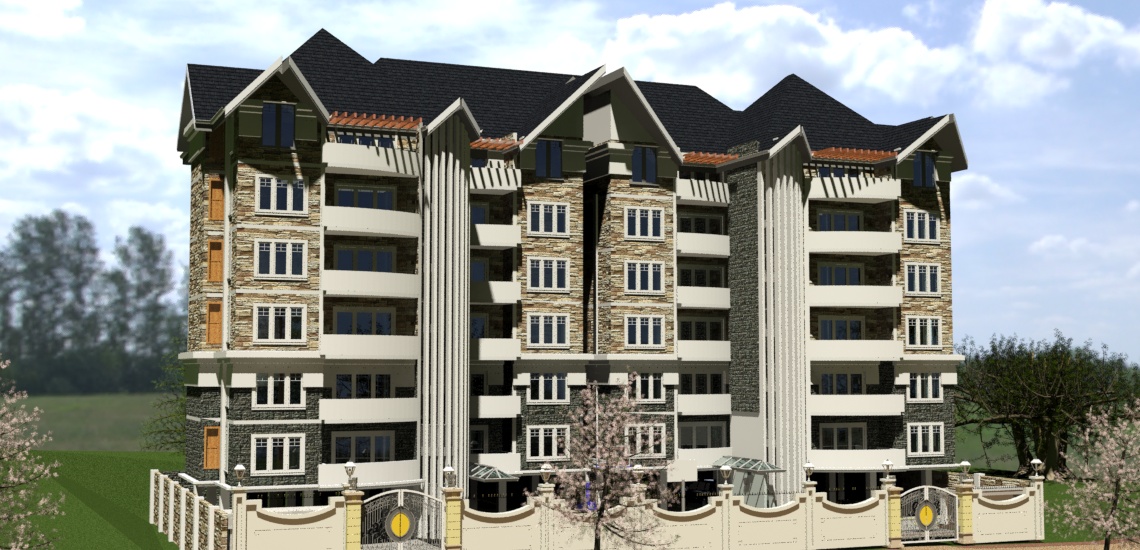
Explore affordable 2-bedroom house plans with smart layouts, low-cost designs, floor plans, costs, and downloadable budget building plans ideal for small families and rentals.
Introduction
Affordable 2-Bedroom House Plans are perfect for homeowners looking to build functional, comfortable homes without spending too much. These low-cost house designs are ideal for small families, rental properties, and first-time builders who want budget-friendly plans that are easy to follow and implement.
With simple layouts, efficient use of space, and smart material choices, these cheap house plans make it possible to create a cozy home while keeping construction costs manageable. Many plans are downloadable and customizable, giving you flexibility to adapt the design to your land and budget.
Why Affordable 2-Bedroom House Plans Are in High Demand
Growing Need for Budget Homes for Small Families
Small families are increasingly looking for homes that are easy to maintain and affordable to build. Two-bedroom houses provide enough space for parents and children without unnecessary rooms, reducing construction and upkeep costs. This makes them an ideal solution in both urban and semi-urban areas.
Ideal Use Cases – First Homes, Rentals, Retirement Builds
Affordable 2-bedroom house plans suit a variety of purposes. They can serve as first homes for new families, rental properties for investors, or downsized retirement homes for empty nesters. Their flexibility ensures that the space can adapt to different needs over time.
Cost Efficiency Compared to 3-Bedroom Designs
Two-bedroom homes cost less to build than three-bedroom designs due to smaller floor areas and reduced material needs. They also require less labour and lower utility costs, making them perfect for those on a tight budget. The smaller footprint also allows for quicker construction timelines.
2-Bedroom vs 3-Bedroom House Cost Comparison (Kenya)
| Comparison Factor | 2-Bedroom House | 3-Bedroom House |
| Average floor area | 45–80 sqm | 85–120 sqm |
| Overall construction cost | Lower | Higher |
| Materials required | Fewer materials | More materials |
| Labour costs | Lower labour costs | Higher labour costs |
| Construction duration | Shorter build time | Longer build time |
| Utility costs (water & electricity) | Lower | Higher |
| Maintenance expenses | Lower | Higher |
| Plot size requirement | Smaller plots | Larger plots |
| Best use cases | Small families, rentals, starter homes | Larger families, long-term family homes |
| Budget suitability | Very budget-friendly | Moderate to high budget |
High Resale and Rental Appeal
Despite being smaller, 2-bedroom homes often attract buyers and tenants due to affordability and practicality. Their compact size keeps maintenance costs low while meeting the needs of most small households. This ensures good resale value and rental demand.

Must-Have Features in Low-Cost House Designs
Compact Floor Plans That Minimize Wasted Space
Efficient floor plans help homeowners maximize usable space without increasing construction costs. By avoiding long hallways and unused corners, these designs make small homes feel spacious and functional. Proper planning ensures every square meter serves a purpose.
Simple Roof Structures for Reduced Construction Costs
Low-cost house designs often use gable or mono-pitched roofs, which are easier and cheaper to construct. Simple roof structures require fewer materials and less labour while still offering durability and good drainage. This approach significantly lowers overall building expenses.
Open-Plan Living Areas to Cut Walling Expenses
Open-plan layouts reduce the number of internal walls, saving money on materials and construction. These spaces feel larger, allow natural light to flow, and make the home more versatile for different furniture arrangements. Open designs also improve airflow and comfort.
Natural Lighting & Ventilation for Energy Savings
Strategically placed windows and ventilation points can reduce the need for artificial lighting and cooling. This not only lowers electricity costs but also creates a healthier, more comfortable living environment. Energy-efficient designs add value without increasing build costs.
Flexible Room Sizes for Future Expansion
Some low-cost house designs allow homeowners to expand rooms or add extra spaces later. Flexible layouts make it easy to adjust the home as family needs change without a full redesign. Planning for future growth ensures long-term usability.
Popular Affordable 2-Bedroom Layout Types
Simple 2-Bedroom Bungalow House Plans
Bungalow designs are the most common type of affordable 2-bedroom house. They are single-story, making them easier and cheaper to construct, while providing a straightforward layout that is easy to furnish and maintain. These homes are perfect for small families or first-time homeowners.
Compact Urban 2-Bedroom Designs
Urban plots are usually smaller, so compact 2-bedroom layouts make the most of limited space. These designs prioritize functionality and often include open-plan living areas to make the home feel larger. They are ideal for city or town living where land is expensive.
Rural Low-Cost House Designs
Rural low-cost house plans focus on affordability and use locally available materials. These designs often include larger yards and flexible layouts that can expand over time. They are perfect for areas where land is cheaper and families want a practical, budget-friendly home.
Two-Bedroom Plans With Veranda or Front Porch
Adding a veranda or front porch can enhance the home’s appeal without significantly increasing costs. These features provide extra outdoor space for relaxation and socializing. They also improve the home’s aesthetic and can increase resale value.
Phased Construction Layouts (Build as Budget Allows)
Some affordable house plans are designed to be built in phases, allowing homeowners to spread costs over time. You can start with essential rooms and expand later as funds allow. This approach is ideal for first-time builders on tight budgets.
Budget Building Strategies & Cost Optimization
Choosing Affordable Local Materials
Using local materials reduces transportation costs and supports nearby suppliers. Options like clay blocks, timber, or locally made roofing sheets are both budget-friendly and durable. Selecting the right materials can significantly reduce overall construction expenses.
Labour Cost Planning and Contractor Selection
Labour often accounts for a large portion of construction costs. Choosing reliable contractors and planning work schedules carefully can prevent delays and overspending. It’s important to compare quotes and hire skilled workers to avoid quality compromises.
Reducing Costs Through Standardized Dimensions
Using standard room sizes, door widths, and ceiling heights helps minimize waste and reduces the cost of custom materials. Standardized dimensions also make it easier to source building materials locally. This approach improves efficiency while keeping the budget on track.
Avoiding Common Budget Overruns
Unexpected costs can derail any low-cost build. Planning for contingencies, sticking to the original plan, and regularly reviewing expenses helps prevent overruns. Avoiding unnecessary changes during construction is one of the best cost-saving strategies.
Sample Cost Breakdown for a 2-Bedroom Build
A typical affordable 2-bedroom house includes expenses like foundation, walls, roof, windows, doors, and basic finishes. Labour, permits, and utilities should also be included in your budget. Reviewing a sample breakdown helps homeowners plan realistically and avoid surprises.

What’s Included in Cheap House Plans (And What’s Often Missing)
Architectural Drawings – Floor Plans, Elevations & Sections
Most affordable house plans include basic architectural drawings such as floor plans, elevations, and sectional views. These help you visualize the layout, room sizes, and overall design. Ensuring these drawings are included prevents mistakes during construction.
Structural Details and Foundation Layouts
Cheap house plans sometimes lack detailed structural information. A complete plan should include foundation layouts, beam placements, and load-bearing walls. This ensures the house is stable and meets building standards.
Electrical & Plumbing Schematics
Electrical wiring, plumbing layouts, and pipe placements are often missing in low-cost plans. Including these schematics saves time during installation and reduces costly errors. They provide a clear guide for contractors and electricians.
Bills of Quantities – When Provided vs When to Request
Some house plans come with a Bill of Quantities (BOQ), listing the materials and quantities needed. When not provided, you must request it or prepare one yourself. A BOQ helps accurately estimate costs and avoid overspending.
Customization Options Before Construction
Affordable house plans often allow minor modifications to suit your plot size, style preference, or budget. Customization can include moving walls, adding windows, or changing roof types. Planning changes before construction begins is cheaper than modifying later.

Where to Buy or Download Affordable 2-Bedroom House Plans
Online Architectural Plan Stores
Many online platforms sell ready-to-download affordable house plans in PDF or CAD formats. These are convenient, often come with full drawings, and are cost-effective for budget-conscious builders.
Working With Local Architects or Draftsmen
Hiring a local architect or draftsman allows you to get plans tailored to your land, climate, and budget. Local experts can also guide you through approvals and material sourcing. Custom plans may cost more but often save money in construction.
Free vs Paid House Plans – Pros and Cons
Free house plans are great for inspiration but often lack detailed drawings or customization options. Paid plans are more comprehensive, including BOQs, elevations, and structural details. Choosing the right type depends on your budget and project requirements.
What to Check Before Purchasing Any Plan
Always verify that the plan includes accurate measurements, structural details, and room layouts. Check if it’s suitable for your plot size and local building codes. Proper verification prevents mistakes and costly revisions.
Red Flags to Avoid When Buying Cheap House Plans
Avoid plans that have unclear measurements, missing sections, or no construction guidance. Beware of sellers who cannot provide proof of their design experience. Checking reviews and references helps ensure you purchase a reliable plan.
Conclusion:
Affordable 2-bedroom house plans offer a balance between cost, comfort, and practicality. By choosing smart layouts, efficient materials, and budget-conscious designs, homeowners can build a functional home that fits their financial plan. These plans provide long-term value, flexibility for customization, and high usability for small families or rental purposes.