
Flat Roof vs Pitched Roof House in Kenya
Flat Roof vs Pitched Roof House in Kenya
Explore the pros and cons of flat and pitched roof houses in Kenya. Understand design trends, cost considerations, maintenance tips, and climate suitability to make an informed decision for your home.
Introduction
Flat Roof vs Pitched Roof House in Kenya
When building a home in Kenya, one of the most crucial decisions you’ll face is selecting the right roofing style. The choice between a flat roof and a pitched roof can significantly impact your home’s aesthetics, functionality, and long-term maintenance. Understanding the advantages and disadvantages of each can help you make an informed decision that aligns with your budget, lifestyle, and the local climate.
Understanding Flat Roofs
Flat roofs are characterised by their minimal slope, often appearing horizontal. This design is increasingly popular in urban areas of Kenya, especially in modern and contemporary homes.
What is a Flat Roof?
A flat roof has a slope of less than 10 degrees, making it nearly level. This design allows for additional usable space, such as rooftop gardens or solar panel installations. Materials commonly used for flat roofs in Kenya include concrete, bitumen, and EPDM rubber.
Advantages of Flat Roofs
Cost-Effective Construction: Flat roofs generally require fewer materials and less labour, making them more affordable to construct.
- Additional Usable Space: The flat surface allows for the installation of rooftop gardens, solar panels, or even additional living spaces.
- Modern Aesthetic Appeal: Flat roofs contribute to a sleek, contemporary look that is increasingly favored in urban developments.
Disadvantages of Flat Roofs
- Poor Drainage: Without proper design, flat roofs can accumulate water, leading to leaks and structural damage.
- Higher Maintenance Requirements: Regular inspections and upkeep are necessary to prevent issues such as ponding water and membrane degradation.
- Shorter Lifespan: Compared to pitched roofs, flat roofs may have a shorter lifespan due to increased exposure to the elements.
Understanding Pitched Roofs
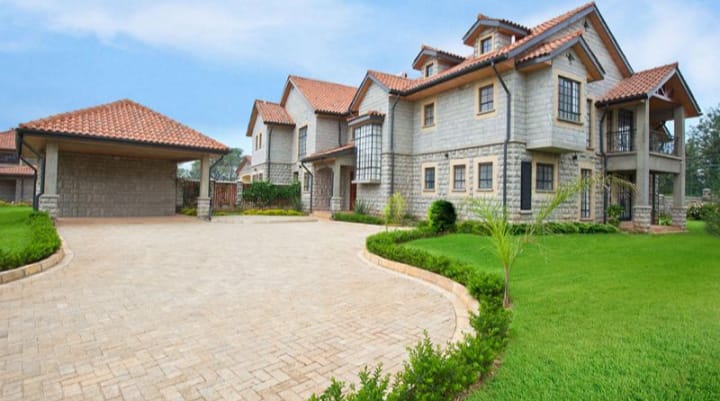
Pitched roofs, also known as sloped roofs, have two or more sides that slope downward, meeting at a ridge. This traditional roofing style is prevalent in many Kenyan homes, especially in rural and suburban areas.
What is a Pitched Roof?
A pitched roof features a slope greater than 10 degrees, allowing for efficient water runoff. Common materials include clay tiles, metal sheets, and thatch. The design often incorporates features like eaves and gutters to manage rainwater effectively.
Advantages of Pitched Roofs
Superior Drainage: The steep slope facilitates quick water runoff, reducing the risk of leaks and water damage.
- Enhanced Durability: Pitched roofs are generally more durable and less prone to wear and tear, leading to a longer lifespan.
- Better Ventilation: The design allows for improved air circulation, helping to regulate indoor temperatures.
Disadvantages of Pitched Roofs
- Higher Construction Costs: The complex design and additional materials increase the overall cost of construction.
- Limited Usable Space: The sloped surfaces reduce the amount of usable attic or rooftop space.
- Increased Maintenance Needs: Regular maintenance is required to check for issues like loose tiles or rusted metal panels.
Roofing Styles Common in Kenya
Kenya’s diverse climate and cultural influences have led to a variety of roofing styles being adopted across the country.
Gable Roofs
Gable roofs are characterised by two sloping sides that meet at a ridge, forming a triangular shape. This design is common in both urban and rural settings, offering simplicity and effective water drainage.
Hipped Roofs
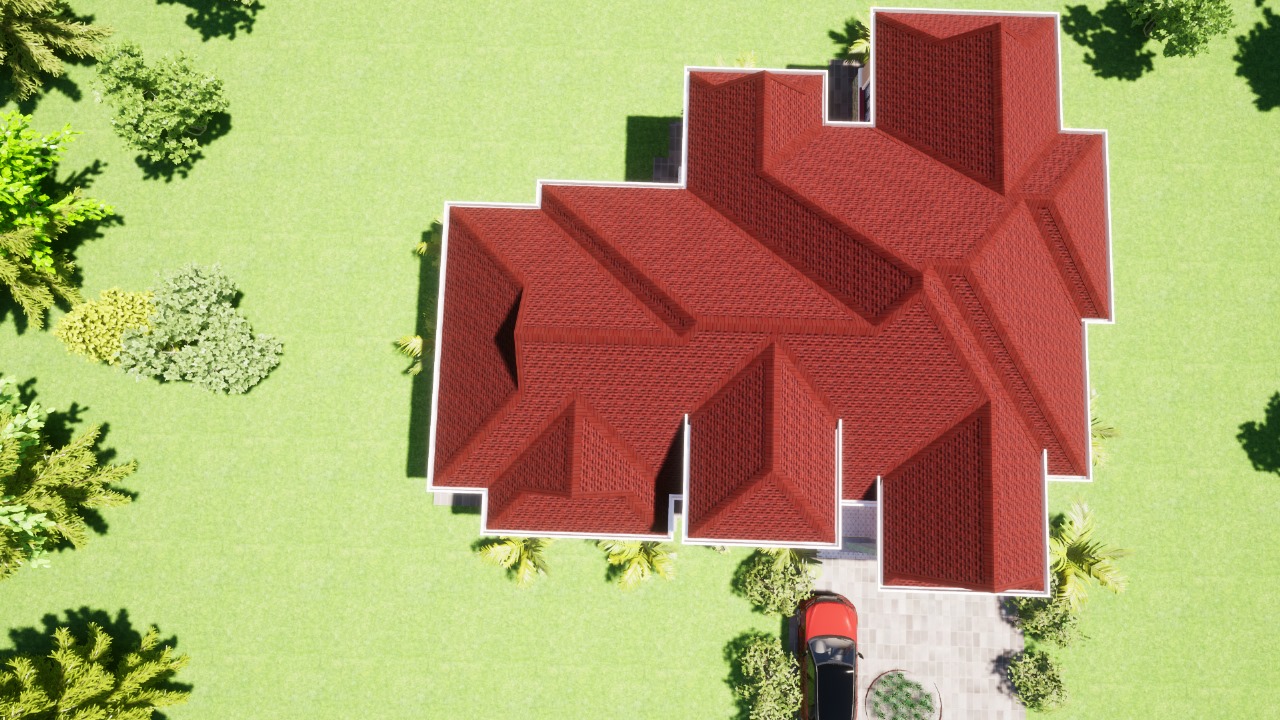
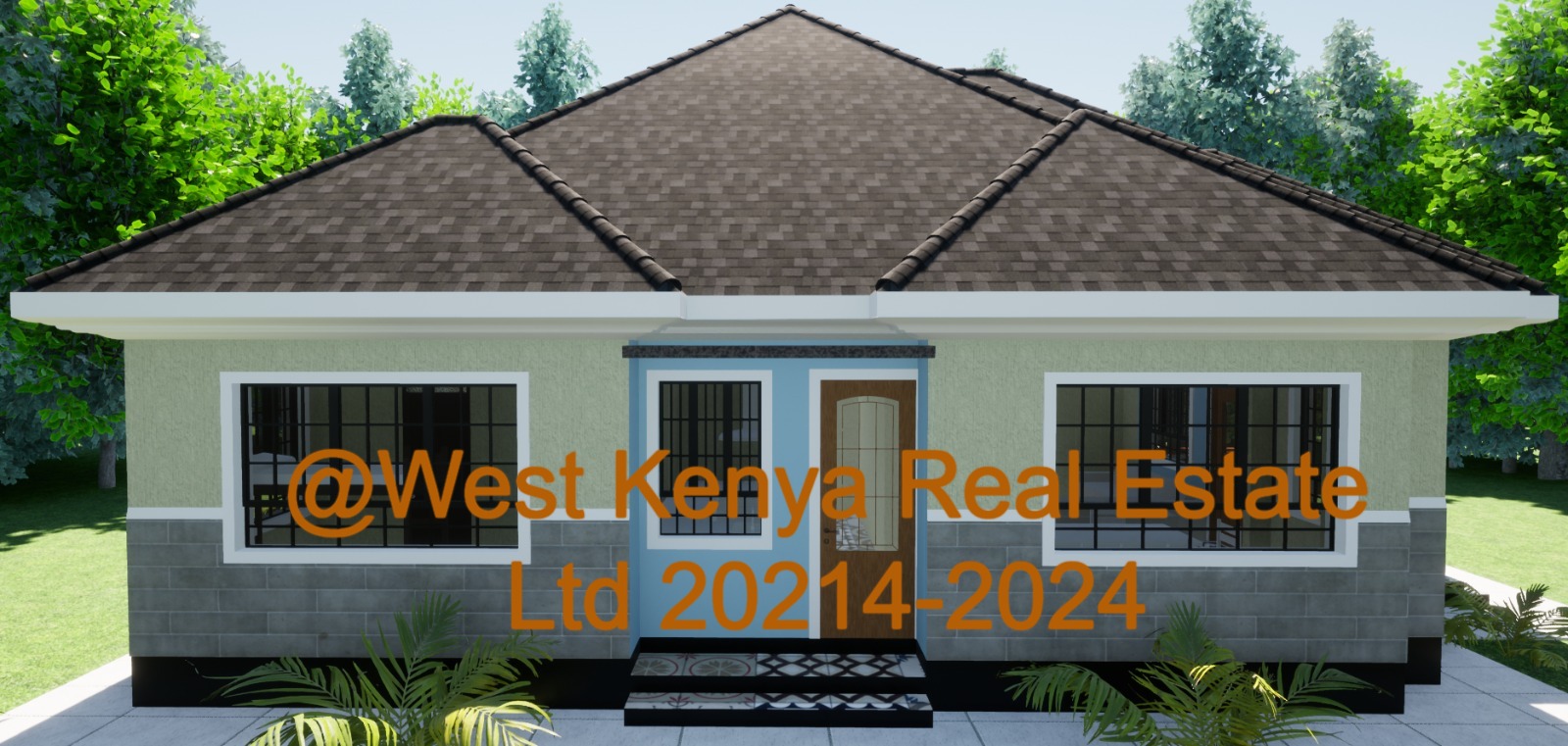
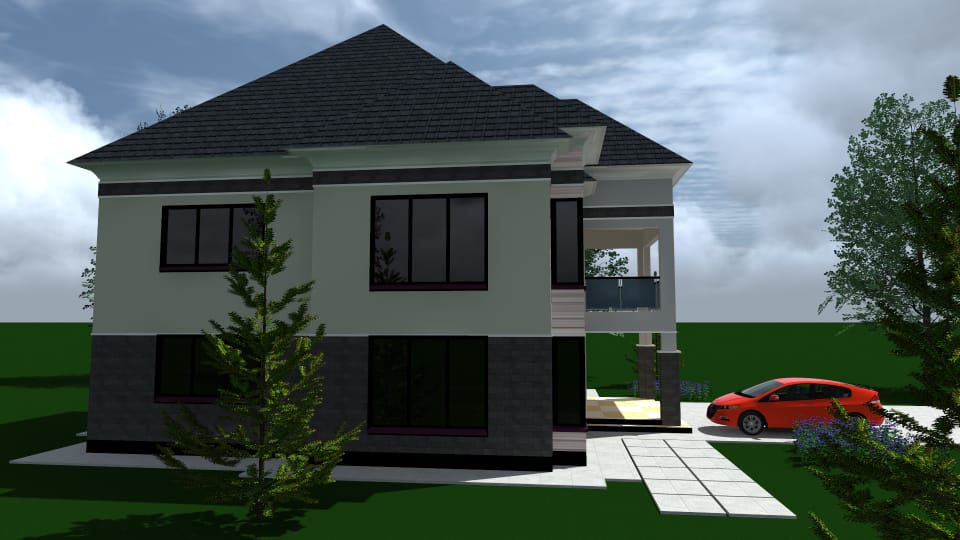
Hipped roofs have slopes on all four sides, meeting at a ridge or a peak. This design provides stability and is well-suited for areas with high wind speeds.
Skillion Roofs
Skillion roofs feature a single sloping surface, often used in modern architectural designs. They are popular in contemporary homes and can be combined with other roofing styles for aesthetic appeal.
Hidden Roofs
Hidden roofs are concealed within the structure of the building, offering a sleek and modern appearance. This style is often used in luxury homes and commercial buildings.
Internal link suggestions: [Read more here: insert link] [Read more here: insert link]
Cost Comparison: Flat vs Pitched Roofs in Kenya
Understanding the financial implications of each roofing style is crucial for homeowners.
Initial Construction Costs
Flat roofs typically have lower initial construction costs due to simpler designs and fewer materials. Pitched roofs, on the other hand, require more materials and labor, increasing the upfront investment.
Long-Term Maintenance Costs
While flat roofs may have lower initial costs, they can incur higher maintenance expenses over time due to issues like water pooling and membrane degradation. Pitched roofs generally require less maintenance, leading to lower long-term costs.
Return on Investment
Investing in a pitched roof can increase the property’s value due to its durability and aesthetic appeal. Flat roofs may offer a modern look but might not provide the same return on investment.
Climate Considerations in Kenya
Kenya’s diverse climate zones play a significant role in determining the most suitable roofing style.
Impact of Rainfall on Roof Selection
In areas with heavy rainfall, pitched roofs are advantageous due to their efficient water runoff capabilities. Flat roofs may require additional drainage solutions to prevent water accumulation.
Temperature Variations and Insulation
Pitched roofs can provide better insulation, helping to maintain comfortable indoor temperatures. Flat roofs may require additional insulation materials to achieve similar thermal performance.

Wind Resistance
Pitched roofs offer better resistance to high winds, making them suitable for coastal and elevated regions. Flat roofs may be more susceptible to wind damage unless properly designed and reinforced.
Design Trends and Aesthetic Appeal
The choice of roofing style significantly influences the overall aesthetic of a home.
Modern Architectural Preferences
Flat roofs are favored in modern architectural designs for their sleek and minimalist appearance. They allow for creative use of space and can accommodate features like rooftop gardens and terraces.
Traditional and Colonial Influences
Pitched roofs are prevalent in traditional and colonial-style homes, offering a classic look that resonates with cultural heritage. They can be customised with various materials to enhance aesthetic appeal.
Customisation and Personalisation
Both flat and pitched roofs offer opportunities for customisation, allowing homeowners to select materials, colors, and features that reflect personal style. Innovative designs can blend functionality with aesthetics to create unique living spaces.
Expert Recommendations
Consulting with professionals can provide valuable insights tailored to your specific needs.
Consulting with Architects and Builders
Engaging with experienced architects and builders ensures that the chosen roofing style aligns with structural requirements and design preferences. They can provide guidance on material selection and construction techniques.
Site-Specific Considerations
Factors such as location, climate, and budget should influence the roofing decision. Professionals can assess these variables to recommend the most suitable option.
Future Trends in Roofing
Emerging technologies and materials are shaping the future of roofing. Sustainable practices, energy efficiency, and innovative designs are becoming increasingly important considerations.
Energy Efficiency and Climate Suitability in Kenyan Homes
How Flat Roofs Perform in Warm and Dry Regions
Flat roofs are especially suited for warm and semi-arid parts of Kenya such as Machakos, Nairobi, and parts of Kajiado where rainfall is limited. Their low gradient minimises the buildup of hot air between the ceiling and the roof, allowing rooms to remain relatively cooler during the day. This design also simplifies the addition of reflective coatings or white waterproof membranes that reduce heat absorption, making them energy efficient. Homeowners can install rooftop gardens or solar panels to help lower indoor temperatures and energy bills over time. However, without proper insulation, heat may still penetrate through the roof slab, especially during extended dry spells, which can make interiors uncomfortably warm. Proper layering with foam insulation or reflective paint is key to achieving comfort while reducing energy costs. The flat design also enables easier installation of rainwater harvesting systems for homes in drier zones, promoting sustainability. With careful design and quality materials, flat roofs can serve as eco-friendly and functional solutions in hot regions of Kenya.
Pitched Roofs and Rainwater Management in Wet Areas
Pitched roofs perform best in high-rainfall areas such as Kisumu, Kericho, and Nyeri, where regular rainfall demands quick drainage. Their sloped surfaces prevent standing water, minimising the risk of leaks, cracks, and rot that can affect ceiling materials over time. This natural runoff ability means fewer waterproofing repairs and longer structural durability compared to flat roofs. Additionally, pitched roofs often incorporate overhangs that protect walls from splashes, keeping houses cleaner and more resistant to mold growth. Ventilation gaps in pitched designs also enhance airflow, which helps regulate indoor temperatures in humid climates. These roofs can also support solar panels on one side while allowing water harvesting systems to collect runoff efficiently. Overall, they are ideal for maintaining dry, comfortable living spaces throughout Kenya’s wet regions, providing both protection and energy balance in the home.
Balancing Energy Costs and Long-Term Sustainability
When evaluating long-term sustainability, both roof styles have unique strengths depending on location and design. Flat roofs allow for solar installations and rooftop insulation systems, helping homeowners cut down on electricity expenses significantly. Pitched roofs, though costlier to construct, have natural ventilation that reduces the need for air conditioning, saving power in the long run. The materials used also play a major role — stone-coated tiles and concrete slabs both have different heat retention levels that affect energy performance. In cities like Nairobi and Nakuru, some homeowners now combine both roof types to create hybrid designs that balance sustainability and aesthetic appeal. Ultimately, choosing between the two depends on budget, desired look, and environmental conditions. Sustainability is achieved not by roof shape alone, but by the integration of energy-smart materials and local climate adaptation strategies.
Aesthetic Appeal and Architectural Flexibility
Modern Minimalism of Flat Roof Designs
Flat roofs represent a growing architectural trend across Kenya’s urban centers, where homeowners are increasingly drawn to modern, minimalist designs. The clean, box-like silhouettes of flat roof homes fit well with contemporary architecture that values open space, simplicity, and geometric precision. Their flexibility allows the addition of rooftop lounges, terraces, or green gardens — features that add value to compact urban properties. The seamless look of flat roofs also blends well with glass façades and concrete finishes, giving homes a luxurious yet understated appearance. Architects often prefer flat roofs when designing modern apartments or villas in Nairobi and Mombasa because they maximise space both horizontally and vertically. Furthermore, the flat surface can serve as a multipurpose zone for solar panels, entertainment setups, or even outdoor kitchens. This combination of style and function makes flat roofs a perfect choice for those aiming to create sleek, modern homes that stand out in the Kenyan skyline.
Traditional Charm of Pitched Roof Homes
In contrast, pitched roofs embody timeless Kenyan architecture that blends both cultural and practical values. Their triangular form not only looks familiar and comforting but also connects deeply with the local sense of tradition and heritage. The sloped structure gives homes a sense of height and grandeur, which enhances curb appeal and visual balance. Many homeowners in rural and highland regions prefer pitched roofs because they complement natural surroundings while offering effective protection from weather extremes. Materials like clay tiles, shingles, or stone-coated sheets add rustic beauty that can be customised in color and pattern. The variety of slope angles and decorative features, such as dormer windows or wooden trusses, allows homeowners to express individuality through design. Pitched roofs may seem conventional, but their enduring charm makes them highly desirable in Kenya’s real estate market, especially for family-oriented or countryside homes.
Blending Styles for a Contemporary Look
Modern architects are increasingly merging both styles to create hybrid homes that bring the best of each world together. A house may feature a flat-roofed extension over a living room while retaining a pitched roof over bedrooms for ventilation and comfort. This mix of styles results in a balanced structure that looks fresh, dynamic, and functionally efficient. Such designs are gaining traction in areas like Kiambu, Ruiru, and Nakuru, where homeowners want to showcase creativity while maintaining traditional comfort. These hybrid roofs also allow for innovative use of materials — for example, concrete sections for strength and metal-tiled pitched areas for drainage. The outcome is a stylish, energy-conscious, and highly functional home suitable for Kenya’s diverse environments. Blended roof styles not only break monotony but also improve resale appeal, as they attract buyers from both modern and traditional markets.
Cost and Maintenance Considerations Over Time
H3. Initial Construction Costs Comparison
Cost is often one of the deciding factors when choosing between a flat and a pitched roof. Flat roofs are generally cheaper to build since they require fewer materials, less labour time, and simpler support structures. The concrete slab construction is straightforward, reducing both framing and finishing costs. However, while pitched roofs are initially more expensive due to timber trusses and tiles, they offer greater durability and lower long-term maintenance costs. In regions with heavy rain, the extra investment in a pitched roof often pays off by preventing leakage and repair expenses. Flat roofs may require higher waterproofing standards, which adds slightly to upfront costs if done correctly. Therefore, homeowners must weigh immediate affordability against long-term value before deciding. In Kenya’s construction market, the difference between a low-cost flat roof and a quality pitched roof can vary by 10–20%, depending on materials and workmanship.
Maintenance Requirements for Each Roof Type
The maintenance needs of flat and pitched roofs differ significantly, especially in Kenya’s diverse climate. Flat roofs need regular inspection to check for cracks, pooling water, or damaged membranes, especially before the rainy season. Without timely repairs, small leaks can escalate into costly water damage that affects ceilings and walls. Pitched roofs, on the other hand, require cleaning to remove debris, moss, or dust buildup that may clog gutters. They are more resistant to leaks but can face issues like broken tiles or rusted sheets after years of exposure. Maintenance costs are generally lower for pitched roofs in wet regions, while flat roofs demand consistent care but are easier to access. For homeowners planning long-term occupancy, budgeting for periodic maintenance ensures both roof types deliver durability and comfort.
Long-Term Value and Resale Potential
From a resale standpoint, both roof types can add significant value to a home if properly constructed and maintained. Flat roofs tend to appeal to younger, urban buyers who appreciate modern architecture and rooftop functionality. Pitched roofs attract traditional buyers who value weather resistance and timeless aesthetics. The long-term value also depends on how well the design complements the environment — a flat roof house in a rainy area might depreciate faster if drainage isn’t efficient. Conversely, a pitched roof in a sunny region might miss out on potential rooftop utility space. Smart developers in Kenya now choose based on location and buyer demographics to maximise resale potential. Whichever design you choose, quality workmanship and material selection are the real determinants of lasting property value.
Structural Durability and Material Choices
Reinforced Concrete for Flat Roofs
Flat roofs in Kenya are commonly made from reinforced concrete, which provides structural strength and weather resistance. This material performs well under heavy loads and can withstand Kenya’s strong sunlight without warping or rotting. However, it requires skilled workmanship to ensure proper curing and sealing to prevent cracks or leaks. Adding insulation boards and reflective coatings further enhances durability while reducing heat absorption. Many urban contractors now use fiber-reinforced concrete for better flexibility and crack resistance. A well-constructed concrete roof can last for decades if maintained properly, making it one of the most reliable flat roof options for residential and commercial properties alike.
Timber and Tile Systems for Pitched Roofs
Pitched roofs often rely on timber trusses for support, paired with clay, slate, or stone-coated tiles for weather protection. These materials combine to create roofs that are both lightweight and resilient to wind and rain. Timber allows flexibility during design and remodeling, while tiles provide natural insulation against both heat and cold. In Kenya, locally sourced timber and manufactured tiles help reduce costs while promoting sustainability. Proper treatment of the wood with anti-termite and waterproof chemicals ensures longevity even in humid regions. This traditional system continues to dominate Kenyan homes because it offers a balance between beauty, strength, and affordability.
Innovations in Roofing Technology
Recent advancements in roofing materials have brought significant improvements to both flat and pitched roofs in Kenya. Modern waterproof membranes, reflective paints, and energy-efficient panels are transforming how roofs perform under extreme conditions. Lightweight composite materials are reducing load while maintaining strength, allowing for faster installation. Flat roof owners can now opt for modular systems with built-in insulation, while pitched roof homeowners benefit from anti-fungal, UV-resistant coatings. These innovations extend lifespan, reduce maintenance frequency, and make homes more sustainable. Kenyan developers are quickly embracing these technologies to create energy-efficient, durable, and visually appealing buildings.
Design Adaptability and Lifestyle Benefits
Roof Gardens and Rooftop Living Spaces
Flat roofs offer homeowners an excellent opportunity to utilise unused space creatively. Rooftop gardens, lounges, or utility areas are becoming popular among city dwellers looking for outdoor comfort in limited spaces. A flat roof can be turned into a relaxing zone with seats, plants, and lighting — ideal for small gatherings or leisure. It can also serve as a space for solar drying, water storage, or home-based farming, aligning with sustainable urban living goals. The versatility of this roof style makes it suitable for modern Kenyan lifestyles that blend practicality and design innovation. With proper waterproofing and load-bearing construction, these spaces can be both functional and long-lasting.
Pitched Roofs for Loft and Attic Conversions
Pitched roofs naturally create additional space under the eaves that can be used for attics, storage, or extra rooms. In Kenya’s cooler highlands, these loft spaces can help maintain warmth during cold seasons while providing ventilation in hot weather. Homeowners are increasingly converting attics into offices, bedrooms, or recreational zones to maximise living areas. This adaptability adds value to homes, especially for families that need more functional space without expanding outward. The structural strength of pitched roofs allows for customisation, skylights, and improved airflow — features that make them attractive for long-term living.
Adapting Roof Designs to Lifestyle Needs
Every homeowner’s lifestyle plays a key role in determining the right roof design. Those in urban settings often prioritise rooftop utility and aesthetics, favoring flat roofs that can double as entertainment spaces or energy platforms. In contrast, rural families prefer pitched roofs for their natural insulation and durability. Kenya’s construction scene is seeing a blend of both preferences as architects aim to tailor designs that match daily routines and environmental conditions. The choice is no longer just structural but personal — reflecting identity, comfort, and functionality in every build.
Conclusion
Choosing between a flat roof and a pitched roof for your home in Kenya depends on various factors, including budget, aesthetic preferences, and environmental considerations. Flat roofs offer modern appeal and additional usable space but may require more maintenance. Pitched roofs provide durability and effective water drainage but come with higher initial costs. Consulting with professionals and considering site-specific factors can help you make an informed decision that best suits your needs.