

House Designs in Kenya
House Designs in Kenya: The Complete 2025 Guide to Types, Costs & Trends — Explore design types, 2025 construction costs, popular modern styles, plot-size ideas, and cost-saving tips for building a home in Kenya.
Why House Designs in Kenya Matter in 2025
Shifts in building costs, urbanisation & plot-size scarcity
Building costs have changed a lot, and this affects how people choose house designs in Kenya in 2025. Materials like cement, steel and roofing sheets have seen price changes, making planning more important than ever. Urban areas are also growing fast, which means plots are getting smaller and more expensive. This pushes many homeowners to rethink layout, design, and long-term planning.
Why modern designs & space-efficient plans are rising
Many Kenyans now prefer modern house trends because they offer simple shapes, clean lines, and better use of space. Space-efficient plans also help people build comfortably on small plots, especially in Nairobi, Kiambu, Kitengela, and other fast-growing towns. Designs like flat roofs, open-plan living rooms, and compact layouts save space and reduce construction waste. These trends match today’s lifestyle needs, making modern house designs in Kenya 2025 more popular.
Overview of the Main House Design Categories in Kenya
Traditional vs Modern layouts
Traditional layouts focus on simple rooms, straight walls, and familiar styles that work well in rural and peri-urban areas. Modern layouts focus on open spaces, large windows, minimal walls, and stylish finishes. Many people combine both styles to reduce costs while keeping a modern look. This balance helps homeowners manage budget and still enjoy updated living spaces.
Which designs suit rural vs urban areas
Rural areas usually have bigger plots, so bungalows and wide layouts fit well. Urban areas have limited land, making maisonettes, flat-roof homes, and compact modern plans more practical. Designs in towns must also follow stricter rules on setbacks, height and spacing. That’s why homeowners in cities often choose vertical building instead of wide layouts.
Best designs for irregular or narrow plots
Many Kenyans now deal with narrow or uneven plots, especially in growing towns. For these plots, designers use space-saving layouts like side-entry houses, L-shaped plans, and two-storey maisonettes. Flat-roof houses also work well because they allow extra space for water tanks, outdoor sitting areas, or solar panels. These modern solutions help homeowners maximise every inch of land.

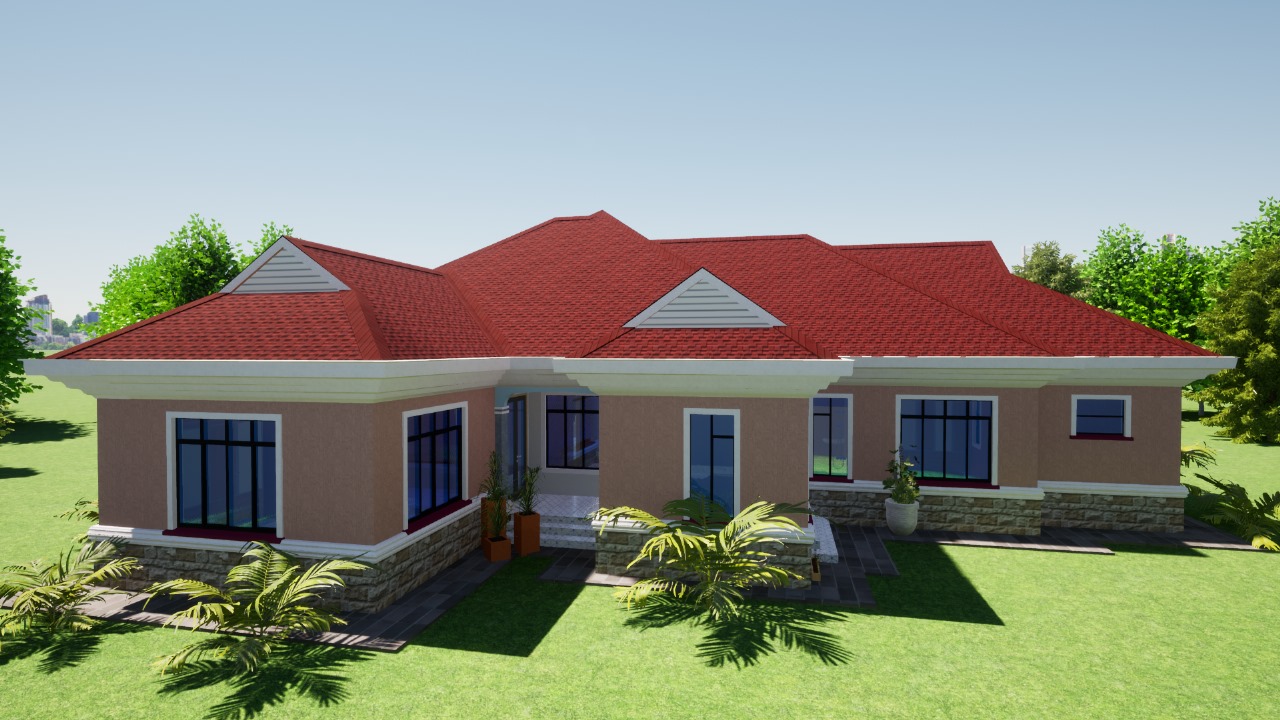
Bungalow House Designs in Kenya (Simple & Modern)
One-storey simplicity — who it suits
Bungalows are perfect for anyone who prefers easy movement and a simple layout without stairs. They work well for young families, retirees, and first-time homeowners who want something practical and affordable. Because the design stays on one level, the structure is easier to build, cheaper to maintain, and fits naturally on wider rural plots. These affordable bungalow designs Kenya homeowners choose also give flexibility for future extensions, such as adding a room or a veranda.
Cost ranges split by finish level (basic, mid, high-end)
The cost of building a bungalow depends on the finish level, starting with basic finishing that uses standard fittings, light roofing sheets, and plain tiles. Mid-range finishing increases the budget slightly but adds stronger windows, higher-quality tiles, better paint, and more durable roofing options. High-end finishing pushes the design into a modern category, with stylish lighting, premium tiles, imported fixtures, and clean exterior accents. These levels help homeowners plan the exact look and cost of their bungalow before construction begins.
Popular 2-bedroom & 3-bedroom bungalow ideas
Many people choose a 2-bedroom bungalow because it is affordable, quick to build, and fits well on a small plot, and the 2 bedroom bungalow Kenya cost stays within a realistic starting budget. A 3-bedroom bungalow offers more comfort, allowing space for kids, guests, or a home office, making it a great choice for growing families. Popular modern ideas include open-plan kitchens, front porches, sliding windows, and gentle roof slopes that give a clean, modern look. These designs are easy to modify, allowing homeowners to personalise their space based on taste and budget.
Maisonette Designs in Kenya (Two-Storey Homes)
Advantages for small plots
Maisonettes are ideal for people who have small or narrow plots because they build upwards and save ground space. This vertical layout allows homeowners to enjoy more rooms, better privacy, and a clear separation between living spaces and bedrooms. Many urban homeowners prefer maisonette house plans Kenya architects create because they offer a modern look while maximising limited land. This makes maisonettes especially suitable for areas like Kitengela, Syokimau, and Ruai where plot sizes are tight.
Cost breakdown by size and finishing
The cost of building a 2-storey home varies depending on the number of bedrooms, roof type, and interior finishing level. Basic finishing keeps costs low with simple tiles, standard staircases, and basic paint. Mid-range finishing adds better lighting, improved staircase railings, larger windows, and more stylish wall finishes. High-end finishing is the most expensive and can significantly increase the 2 storey house cost Kenya homeowners face due to premium materials and advanced structural features.
Popular modern maisonette layouts (balcony, open plan, master ensuite)
Modern maisonette layouts often include a balcony for outdoor relaxation, an open-plan kitchen that makes the living area feel larger, and a master ensuite for comfort and privacy. Many homeowners also add large windows, gypsum ceilings, and modern façades to create a stylish look that fits urban lifestyles. These layouts are flexible, allowing families to customise bedrooms, entertainment areas, and workspaces based on their needs. This makes modern maisonettes some of the most attractive designs for young families seeking long-term homes.

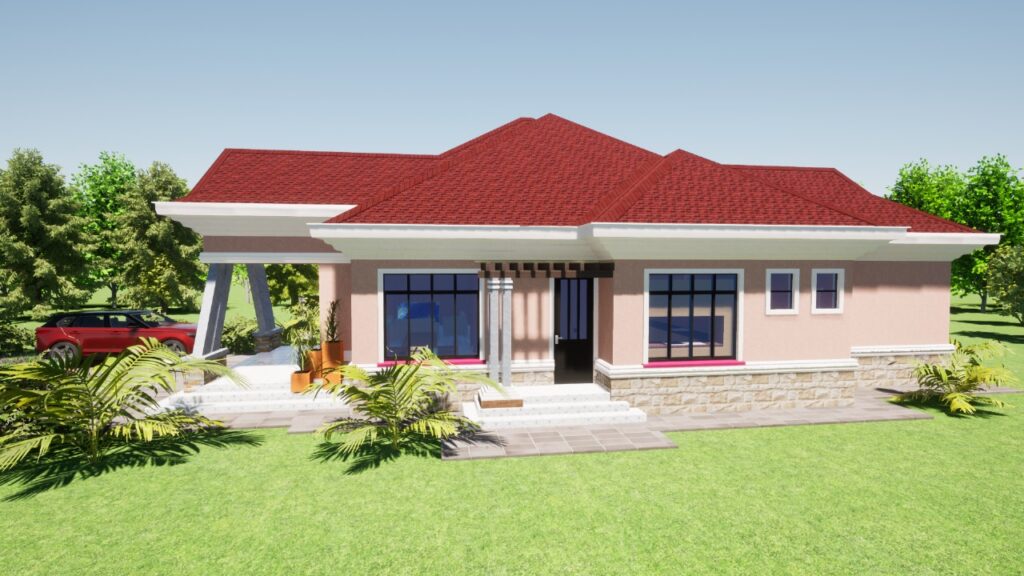
Flat-Roof & Ultra-Modern House Designs in Kenya
Minimalist and contemporary design features
Flat roof house designs Kenya homeowners choose are known for their clean lines, sharp edges, and minimalist forms that create a modern look. These homes often use large windows, open-plan rooms, and smooth exterior finishes that match today’s architectural trends. Many modern contemporary homes Kenya families build also use neutral colours, hidden gutters, and simple geometric shapes to keep the design stylish and low-maintenance. This approach works well for people who prefer a sleek, uncluttered lifestyle.
Cost per sqm for flat roof homes (2025 estimates)
Building a flat-roof house usually costs slightly more per square metre due to the structural reinforcements needed to support the flat roofing system. Costs vary depending on materials like waterproof membranes, steel beams, and high-quality insulation that prevent leaks and heat loss. Many homeowners still prefer flat roofs because they offer space for rooftop terraces, water tanks, or solar panels without affecting the look. These modern contemporary homes Kenya builders create often deliver long-term savings through energy efficiency and reduced maintenance.
Best for urban suburbs — Nairobi, Kiambu, Kitengela
Flat-roof homes are especially popular in urban and fast-growing suburbs like Nairobi, Kiambu, Ruaka, Athi River, and Kitengela. These areas have smaller plots and stricter zoning rules, making vertical and compact modern designs more practical. The simple roofline also gives homeowners more usable outdoor space, which is important for people living in dense neighbourhoods. Because of the stylish exterior, these homes blend well with new gated communities and modern estates.
Affordable & Alternative House Designs in Kenya
Container homes – cost per unit & benefits
Container homes are becoming one of the fastest-growing cheap house designs Kenya homeowners are considering due to their low upfront cost and quick construction time. These homes often use 20-foot or 40-foot shipping containers that can be modified into bedrooms, kitchens, or studios. They are durable, eco-friendly, and easy to expand by adding more units as the family grows. Many young families and first-time builders choose container homes because they offer a modern look at a budget-friendly price.
Compact plans for 50×100 plots
Most Kenyans building on a 50×100 plot want something affordable, simple, and space-efficient. Compact designs use clever layouts, such as combined living areas, minimal hallways, and multi-use rooms, to maximise every square metre. These alternative building methods Kenya designers use help homeowners get enough bedrooms while keeping construction costs low. They also reduce waste and shorten the build time, making the project easier to manage.
Low-cost hybrid designs (stone + steel, EPS panels)
Hybrid home designs combine materials like stone walls, steel framing, or EPS panels to lower construction costs without reducing quality. Stone and steel create strong, durable structures, while EPS panels speed up the building process and offer good insulation. These mixed methods give homeowners flexibility, making them great for anyone looking for cheap house designs Kenya builders can complete quickly. They are especially useful in areas with limited labour or high material prices.

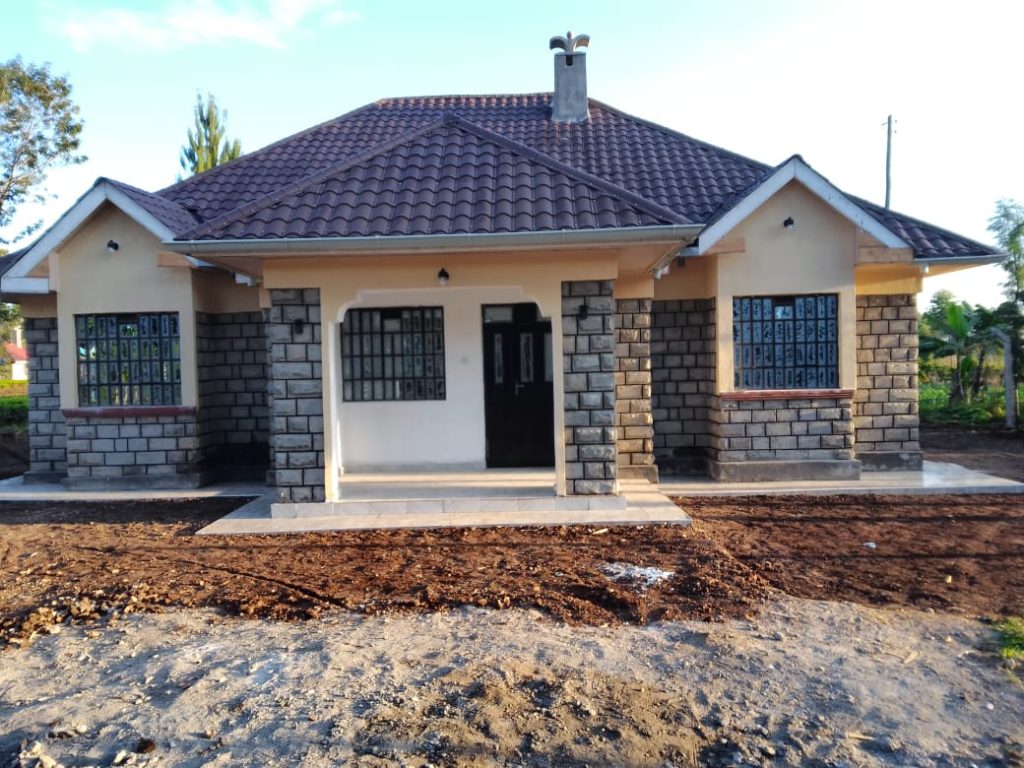
House Design Costs in Kenya (2025 Updated Estimates)
Cost per square metre by finish (basic, mid-range, luxury)
The cost per square metre in Kenya in 2025 varies depending on the quality of finishes, with basic homes costing the least and luxury finishes raising the overall budget through premium materials and higher workmanship standards.
Homeowners should understand these differences early because they directly shape the total house cost, construction timelines, and material choices.
Small homes like 1-bedroom or 2-bedroom houses have lower total budgets but higher cost-per-square-metre ratios, while 3-bedroom and 4-bedroom homes offer better cost efficiency even though the total cost rises.
These examples help buyers compare realistic budgets and plan according to land size, family needs, and preferred finishes.
Hidden costs: approvals, designs, utilities, inspections
Besides construction materials, homeowners must plan for hidden expenses like county approvals, architectural designs, structural drawings, utility connections, and mandatory inspections, which can significantly increase the total budget.
Understanding these early prevents delays, unexpected expenses, and compliance issues during construction.
Detailed Cost Drivers in Kenyan Home Construction
Location (Nairobi vs rural counties)
Building costs vary widely across Kenya, with Nairobi and urban towns showing higher labour, transport, and material prices, while rural counties offer cheaper land and labour but sometimes higher logistics costs.
These differences help homeowners balance cost, accessibility, and future property value when choosing where to build.
Material price variations (cement, steel, timber, roofing)
The fluctuating prices of cement, reinforcement steel, timber, and roofing sheets contribute heavily to construction expenses, especially when imported materials experience currency-related price changes.
Monitoring these prices helps homeowners budget accurately and choose affordable alternatives without compromising quality.
Architect, QS & contractor costs in 2025
Professional fees for architects, quantity surveyors (QS), engineers, and contractors affect the total building budget, and choosing qualified experts ensures accurate cost estimates, structural safety, and legal compliance.
These costs differ depending on project complexity, design quality, and the professionals’ experience level.
Plot size & soil type influence
The size, shape, and soil type of the plot determine the foundation cost, drainage requirements, and final design layout, with rocky or black-cotton soils often requiring more expensive engineering solutions.
Understanding site conditions early helps prevent structural failures and unexpected budget jumps.
Plot Size & Best House Designs for 50×100, 40×80, 100×100
Huge SEO gap — most competitors don’t cover plot-size–specific designs.
Best bungalow layouts for 50×100
A 50×100 plot comfortably fits most 2–4 bedroom bungalows, allowing space for parking, a small backyard, and proper setbacks without crowding the home.
This plot size works well for open-plan layouts, L-shaped kitchens, and future extensions, making it ideal for families seeking a single-floor design.
Homeowners also save on construction costs since bungalows require simpler foundations and no staircase.
Maisonettes for narrow plots
Narrow plots like 40×80 or irregular-shaped land benefit from maisonette designs, which build upward to maximise limited width and frontage.
Vertical builds create more interior space while keeping the footprint small, making them ideal for urban estates or areas with higher land prices.
These designs also improve privacy because bedrooms are placed upstairs, away from street-level activity.
Setback rules & space planning
Kenyan building regulations require specific front, rear, and side setbacks, meaning homeowners must account for these legal clearances before finalizing their house design.
Proper space planning ensures the design fits the plot while still leaving room for parking, walkways, ventilation, and septic systems.
Understanding setbacks early prevents approval delays and costly redesigns.

2025 Housing Trends Shaping Kenyan Architecture
Demand for energy-efficient homes
More Kenyans in 2025 are choosing energy-efficient homes, focusing on solar integration, insulated roofing, and natural lighting to reduce monthly utility costs.
These features make homes more comfortable, sustainable, and future-proof as electricity prices continue rising.
Developers incorporating efficiency early attract buyers looking for lower long-term costs.
Use of glass, gypsum, open kitchens, walk-in closets
Modern Kenyan homes increasingly feature large glass windows, gypsum ceilings, open-plan kitchens, and walk-in closets, creating brighter, more stylish, and functional living spaces.
These trends reflect a shift toward contemporary aesthetics inspired by global design while still adapting to local climate needs.
Homeowners prefer these features because they improve resale value and make homes feel more spacious.
Smart home features becoming normal
Smart home additions like automated lighting, CCTV systems, keyless entry, and Wi-Fi-enabled appliances are becoming standard in new builds across Kenya.
These features offer convenience, improved security, and better energy management, making them attractive for both families and young professionals.
They also future-proof the home as technology adoption across Kenya grows rapidly.
Best House Designs by Budget Category
Under KSh 1 million
Homes under KSh 1 million usually include simple 1–2 bedroom layouts, basic finishes, and cost-effective materials like steel windows, mabati roofing, and machine-cut stones.
These designs work well for starter homes on rural plots or for people building in phases without straining their budget.
They also allow upgrades later as finances improve, making them flexible for young families.
KSh 1M–2.5M
This range comfortably covers 2-bedroom and some 3-bedroom homes, especially bungalows on 50×100 plots.
Buyers can choose mid-range finishes like tiled floors, gypsum touches, and modern kitchens without overspending.
It’s the most common budget bracket for first-time homeowners in Kenya.
KSh 3M–6M
Many modern families prefer this bracket because it allows spacious 3–4 bedroom homes, flat-roof styles, and some maisonettes on smaller plots.
The finishes usually include high-quality tiles, larger windows, and modern interior layouts with open kitchens.
This category offers a balance between elegance, durability, and long-term value.
Above KSh 7M (mid to high-end builds)
Budgets above KSh 7 million accommodate luxury maisonettes, flat-roof homes, and ultra-modern designs with premium finishes.
These homes often include large glass panels, balconies, walk-in closets, spacious kitchens, and smart home features.
They work best in urban areas like Nairobi, Kiambu, Kajiado, and Nakuru where plot value is higher.
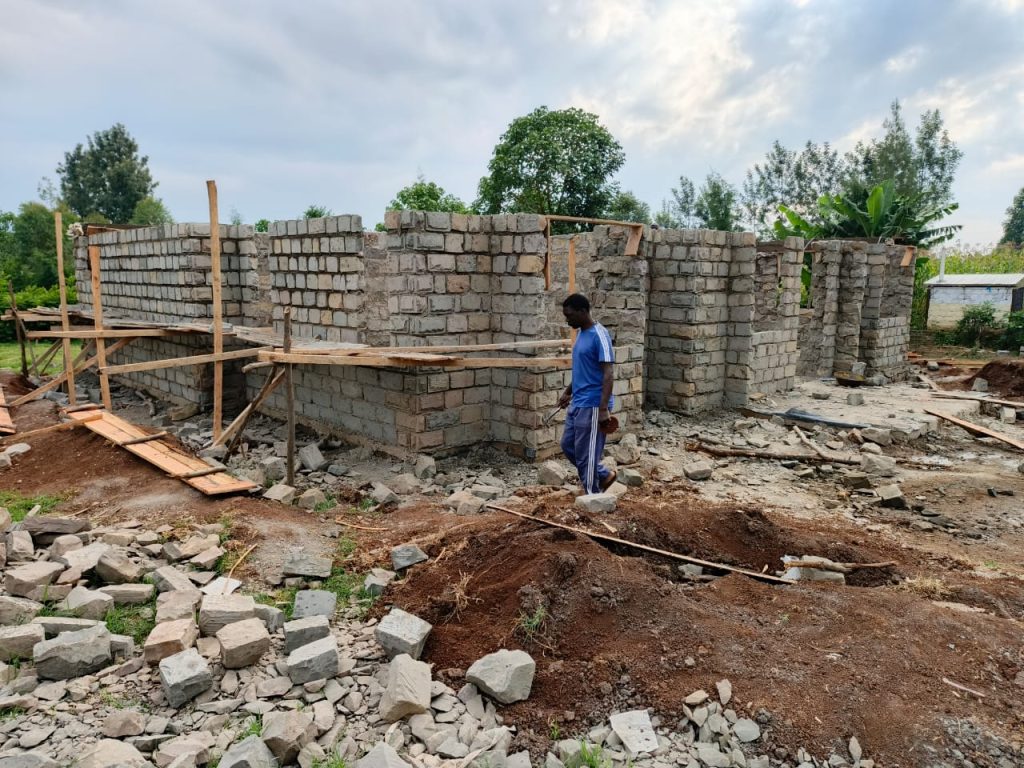
How to Choose the Right House Design in Kenya
Family size & lifestyle
Your family size influences room count, layout, and how much shared space you need.
A growing family may need extra bedrooms, a larger living area, and planned future extensions.
Lifestyle also matters — people who cook often prefer bigger kitchens, while others need home offices or entertainment areas.
Plot size limitations
Your plot determines the home’s footprint, setbacks, and whether you build a bungalow or maisonette.
Small plots often require multi-storey designs, while larger ones can allow spacious single-storey layouts.
Considering the land shape early prevents costly redesigns and approval issues later.
Future expansion possibilities
Good architecture allows you to add extra rooms, extend the kitchen, or convert spaces without breaking structural rules.
Planning ahead helps you avoid demolishing walls or moving key utilities like plumbing.
This is especially important for young families expecting future growth.
Balancing aesthetics with budget
While modern designs look beautiful, you must choose finishes and structural elements that match your budget.
Flat roofs, large glass panes, and unique shapes often cost more to build and maintain.
Choosing smart, simple designs ensures your home remains attractive without financial strain.
Cost-Saving Tips When Building a House in Kenya
Using local materials & practical finishes
Local materials like quarry stones, locally-made tiles, and steel beams reduce transport costs and are easier to replace.
Practical finishes such as normal ceilings, ceramic tiles, and simple lighting lower both building and maintenance expenses.
These choices allow you to stay within budget while still creating a beautiful home.
Avoiding complex structural designs
Complex shapes, unusual roof angles, and heavy cantilevers increase labour, engineering, and material costs.
Simple rectangular layouts and standard rooflines are more affordable and faster to construct.
They also reduce future repair costs because the design is straightforward.
Phased construction strategies
Building in phases allows you to complete essential areas first, then add finishes or extra rooms when finances allow.
This approach helps people avoid loans or project delays caused by budget limits.
It’s one of the most common strategies for first-time Kenyan homeowners.
Accurate Bill of Quantities (BoQ)
A clear BoQ prevents overspending because it shows exact material quantities, labour needs, and realistic pricing.
It also protects you from contractor disputes and unexpected cost increases.
With a BoQ, you control your budget instead of relying on estimates.

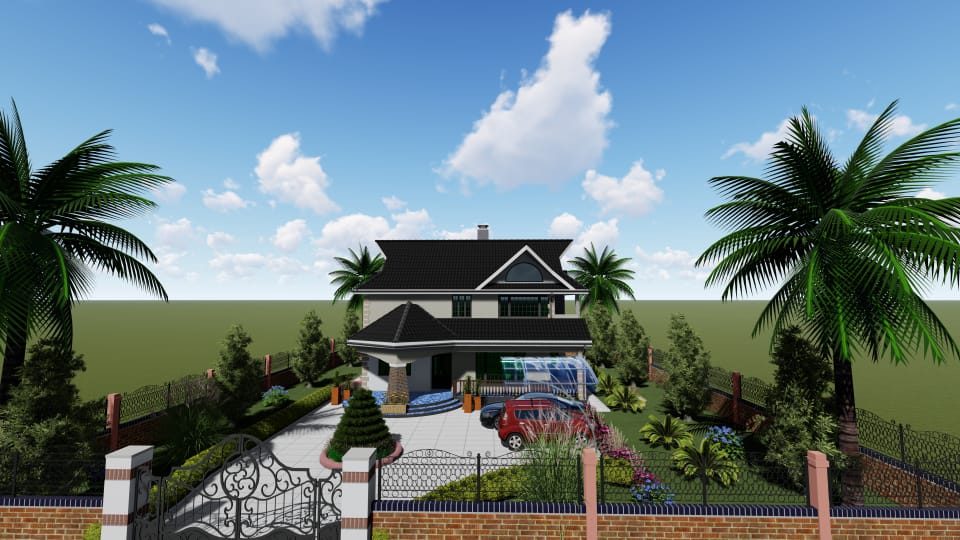
Where to Find Reliable House Plans in Kenya (2025 Trusted Options)
Reputable architects and online platforms
Reliable house plans in Kenya can be sourced from registered architects, certified building consultants, and trusted online platforms that specialise in local designs.
These professionals offer plans that meet county approval standards and reflect current building codes, ensuring your home is safe and compliant.
Going through reputable sources also reduces the risk of generic or stolen plans that might lead to legal issues.
What a complete plan must include (BoQ, sections, elevations)
A complete house plan should come with clear floor plans, elevations, structural drawings, electrical layouts, and plumbing diagrams.
It must also include a Bill of Quantities (BoQ) to help you budget accurately and avoid unexpected costs during construction.
These components ensure the contractor understands every detail, reducing errors and safeguarding your investment.
Custom vs pre-made plans — which is better?
Custom plans offer flexibility because the architect designs around your lifestyle, plot size, and budget, but they may cost more and require extra time.
Pre-made plans are more affordable and faster to obtain, making them ideal for people who want to start building quickly.
The best choice depends on whether you prioritise uniqueness or cost savings.
Conclusion
Choosing the right house design in Kenya in 2025 depends on your budget, plot size, family needs, and the architectural style you prefer.
From bungalows and maisonettes to flat-roof and alternative builds, each design offers unique strengths for different lifestyles and locations.
Construction costs vary based on finishes, materials, and professional fees, so planning carefully helps you avoid unexpected expenses.
To get the best results, consult qualified architects, use accurate BoQs, and select a design that fits both your current and future needs.
With the right plan, budget preparation, and professional guidance, you can build a beautiful home that suits your vision and long-term goals.