

Explore the best house plans by plot size in Kenya. From small plots to 50×100 layouts, discover practical designs, cost-saving tips, and how to choose the ideal plan for your land.
Introduction
Perfect Design in Kenya
Selecting the best house plan by plot size in Kenya is crucial for both functionality and investment value. The right plan helps you maximise usable space, comply with county regulations, and create a home that suits your family’s needs. Different plot sizes—from small urban plots to standard 50×100 plots—require different design approaches.
A well-designed plot-based house plan can also help you:
- Reduce construction costs by optimising every square foot.
- Avoid legal issues related to setbacks, coverage, and zoning rules.
- Ensure natural lighting, ventilation, and room flow.
- Plan for future expansions, rental units, or gardens.
This guide will help you understand plot sizes, popular designs, and practical tips for choosing the perfect house plan by plot size in Kenya.
Quick Snapshot
Choosing the right house plan by plot size ensures optimal land use, compliance with building regulations, and a layout that fits your lifestyle and budget. Whether your plot is small or standard 50×100, the plan you select affects bedrooms, living space, parking, and outdoor areas.
Understanding Plot Sizes in Kenya
Standard Plot Sizes in Kenya
Perfect Design in Kenya
In Kenya, plots come in various standard sizes, with the most common being 40×80, 50×100, and 100×100 feet. These sizes are preferred because they provide adequate space for comfortable homes while remaining affordable for most homeowners. Choosing the correct house plan by plot size ensures that every area of the plot is efficiently used, including bedrooms, living spaces, and outdoor areas. Proper planning at this stage helps avoid costly modifications during construction.
Legal Requirements and Setbacks
County governments have strict regulations on building coverage, setbacks, and plot usage. There are minimum distances that your house must maintain from plot boundaries and limitations on how much of your land can be developed. Selecting a house plan by plot size that adheres to these rules ensures compliance, avoids fines, and prevents costly redesigns. Always check your local zoning regulations before finalising a house plan.
Plot Orientation and Shape Considerations
The shape and orientation of your plot influence lighting, ventilation, and room placement. Rectangular and square plots are easier to work with, while irregular plots may require custom designs to maximise usable space. Choosing the right plot-based house plan ensures rooms are positioned to capture natural light and airflow, improving energy efficiency and comfort throughout the home.

Small Plot House Plans Kenya
What Counts as a Small Plot
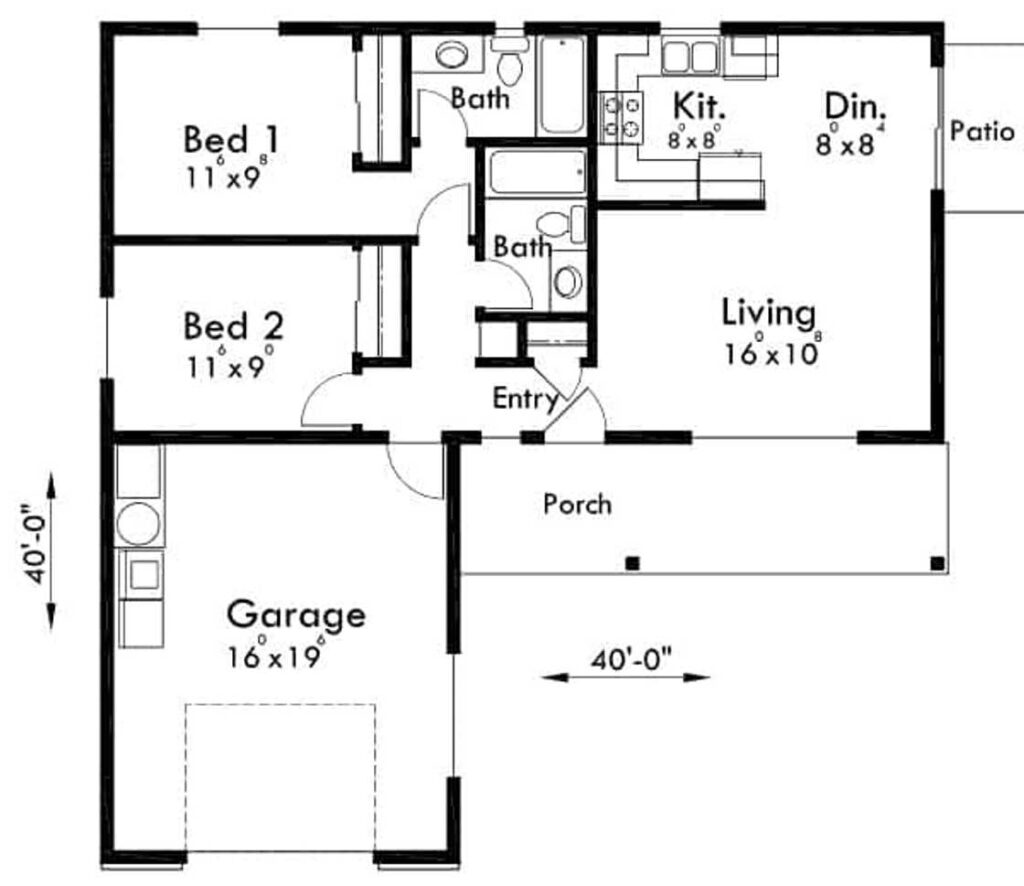
Small plots in Kenya typically range from 25×60 to 30×50 feet and are common in urban areas where land is limited. These plots require careful planning to ensure all essential rooms, such as bedrooms, bathrooms, and living areas, fit comfortably. A well-designed small plot house plan allows you to maximise every square foot without compromising on comfort or functionality.
Popular Small Plot Designs
Popular designs for small plots focus on efficiency and practicality. Common layouts include:
- 2-bedroom bungalows with open-plan living and kitchen areas.
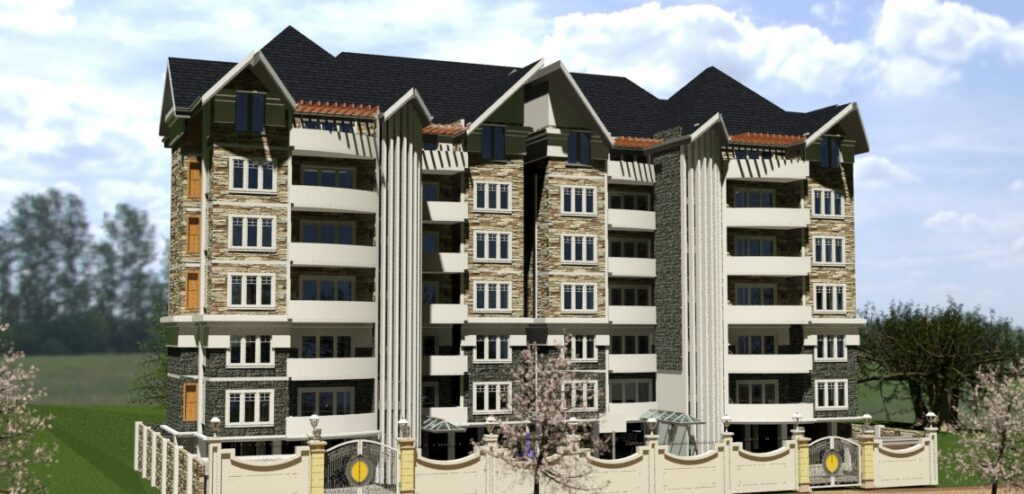
- Vertical maisonettes that add extra bedrooms and bathrooms on upper floors.
- Multi-purpose rooms that can serve as living, dining, or study areas.
These designs ensure small plots are functional, stylish, and comfortable for daily living. Selecting a house plan by plot size suitable for small plots helps achieve a well-balanced home.
Space-Saving Layout Tips
To maximise space on small plots, consider:
- Combining living and dining areas into open-plan layouts.
- Reducing hallway space to increase usable rooms.
- Using vertical storage and multi-purpose furniture.
- Strategically placing rooms for natural light and ventilation.
Incorporating these tips into your small plot house plan ensures that every square foot is practical and comfortable.

50×100 House Plans Kenya
Why 50×100 Plots Are Ideal
The 50×100 plot is one of the most popular sizes in Kenya because it offers a balance between affordability and sufficient space for modern homes. It provides enough room for multiple bedrooms, living areas, a kitchen, parking, and a small garden without feeling cramped. Choosing the right 50×100 house plan allows homeowners to create functional layouts while also leaving space for future expansions or outdoor activities. Proper planning for this plot size can also improve ventilation, natural lighting, and overall home efficiency.
Popular Designs for 50×100 Plots
Several designs work well on 50×100 plots, offering flexibility for families and investors:
- 3-bedroom bungalows with spacious living and dining areas.
- 4-bedroom maisonettes to maximise vertical space.
- Duplexes or rental units that provide extra income while maintaining privacy.
Selecting a house plan by plot size that matches your needs ensures that all rooms are efficiently placed and functional. These designs combine style, comfort, and practicality for modern Kenyan homes.
Key Features to Look For
When reviewing 50×100 house plans, key features to consider include:
- Number of bedrooms and bathrooms to suit family size.
- Open-plan living areas for better space utilisation.
- Adequate parking and garden space.
- Flexible layouts that allow future expansions.
Incorporating these elements into your 50×100 house plan ensures that the home is both comfortable and practical for long-term living.
Plot Size Based House Designs
Single Storey vs Maisonette Designs
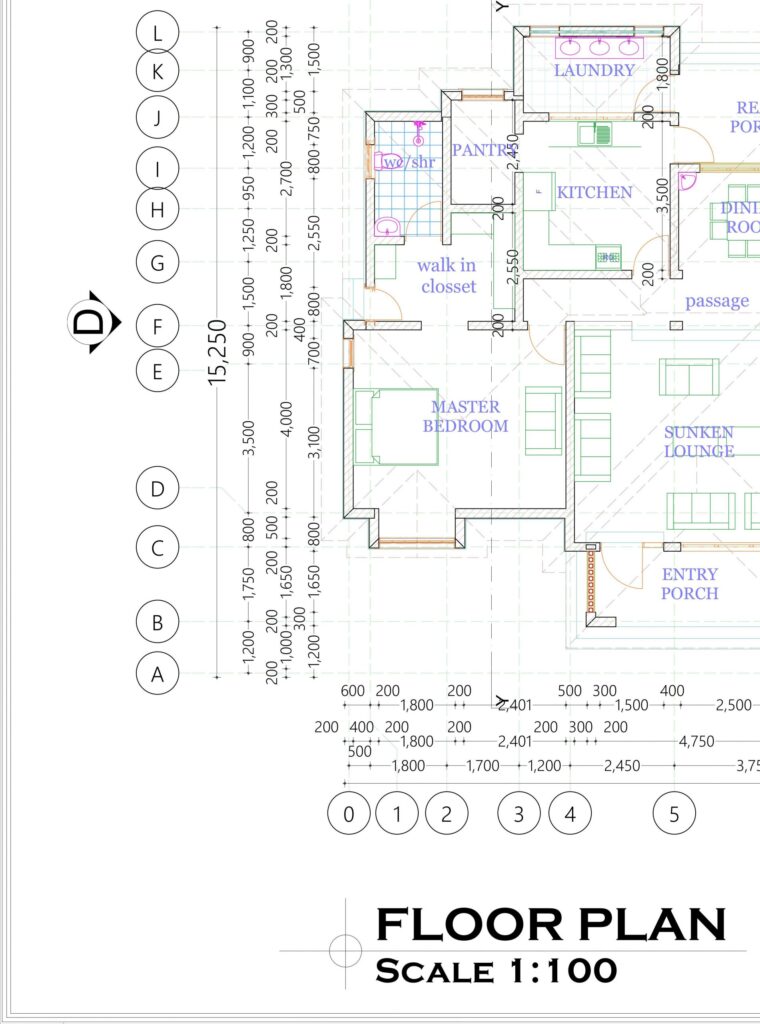
Choosing between single-storey and maisonette designs depends on your plot size, budget, and family needs. Single-storey homes are easier to construct and maintain, making them ideal for smaller plots or first-time homeowners. Maisonettes, on the other hand, allow for additional bedrooms and bathrooms without increasing the plot footprint. Selecting the right plot size based house design ensures that your home maximises space while meeting both aesthetic and functional goals.
Home vs Rental vs Mixed-Use Designs
Some homeowners prefer designs that incorporate rental units or mixed-use spaces to generate additional income. Rental units can be included within the same 50×100 plot or smaller plots without compromising the main home’s comfort. Mixed-use designs, combining living spaces with offices or shops, are also an option for strategic investments. Choosing a house plan by plot size that accommodates your lifestyle and investment goals ensures optimal use of the land.
Matching Design to Plot Shape
Not all plots are perfectly rectangular, and irregular shapes can affect how rooms are positioned. A well-chosen plot size based house design will take the shape of the land into account to maximise usable space, natural lighting, and airflow. Customising your plan for your plot shape ensures that your home feels spacious and functional, regardless of plot irregularities.

Matching House Design to Lifestyle & Budget
Family Size Considerations
The size and layout of a house should reflect the needs of your family. Larger families typically require more bedrooms, bathrooms, and common living areas, while smaller families may prefer open-plan designs that save space. Choosing a house plan by plot size that aligns with your family size ensures comfort, functionality, and efficient use of land. Planning ahead also helps avoid overcrowding and ensures each family member has private and shared spaces.
Budget-Friendly vs Premium Designs
Your budget plays a critical role in determining the type of house plan you can choose. Budget-friendly designs focus on simplicity and efficient use of space, while premium designs may include luxury features, extra rooms, or higher-end finishes. Selecting the right house plan by plot size allows you to balance affordability with comfort and style. Planning your budget early also helps prevent overspending during construction.
Future Expansion Planning
When selecting a house plan, it’s important to consider potential future expansions. This could include adding extra rooms, building a second storey, or extending outdoor areas. A plot size based house design that allows for expansion ensures that your home can grow with your family or accommodate new needs without major reconstruction. Thoughtful planning saves costs and maintains the flow and functionality of your home.
Practical Tips Before Buying a House Plan
Surveying and Plot Verification
Before purchasing a house plan, you should survey your plot and verify its dimensions, boundaries, and soil type. Understanding your plot ensures that your house plan by plot size will fit correctly and comply with county regulations. Proper verification helps avoid issues such as encroachments, drainage problems, or the need to modify the plan later.
Ready-Made vs Custom House Plans
Deciding between ready-made and custom house plans depends on your needs, budget, and plot shape. Ready-made plans are often more affordable and faster to implement, while custom plans allow for personalization to suit your lifestyle and the unique features of your plot. Selecting the appropriate house plan by plot size ensures that your home is functional, compliant, and aesthetically pleasing.
Costing and Material Estimates
Accurate cost estimation and material planning are essential before starting construction. Knowing the material requirements and estimated budget helps you select a house plan by plot size that is affordable and realistic. It also allows you to make adjustments to the design early on, preventing unexpected expenses during construction.

Conclusion
Choosing the right house plan by plot size is essential for maximising land use, creating functional layouts, and avoiding construction challenges. Whether you have a small plot or a standard 50×100 plot, a well-planned design ensures comfort, efficiency, and long-term value.


