Explore the best Apartment Plans in Kenya with detailed layouts for bedsitters, 1‑3+ bedroom units, multi‑family blocks, elevation designs, approval tips and cost guides — perfect for investors and homeowners looking for ready‑to‑build or customisable plans. Learn how to pick the right layout, estimate costs, and maximise rental returns.
Introduction
A comprehensive guide to apartment plans in Kenya helps investors, developers, and homeowners make smart decisions when building or investing in residential properties. With the right plans, you can optimise space, comply with county regulations, and maximise rental returns.
This guide covers everything from apartment building designs in Kenya to flats floor plans Kenya and multi-family house plans Kenya, including cost estimates, approval tips, and where to purchase or customise plans. Whether you are planning a small bedsitter block or a multi-unit apartment complex, having detailed plans ensures efficiency and reduces construction risks.
What Are Apartment Plans in Kenya?
Definition & Purpose
Apartment plans in Kenya are detailed architectural drawings that show how an apartment building will be constructed, including layouts, room sizes, and circulation paths. They are critical for construction because they guide builders, ensure compliance with county regulations, and help investors visualise the project. Using proper plans reduces mistakes, saves costs, and improves the rental or resale value of your property.
Components of Apartment Plans
A complete apartment plan usually includes several key elements:
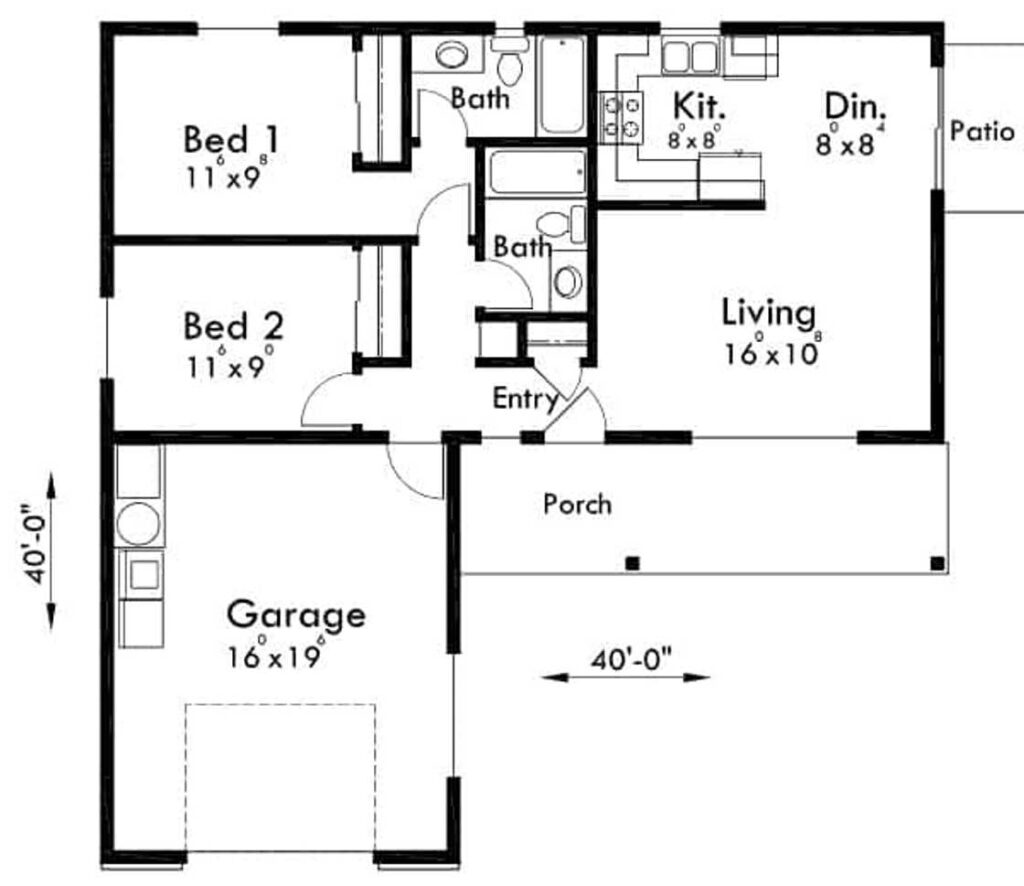
- Floor plans showing room layouts and dimensions.
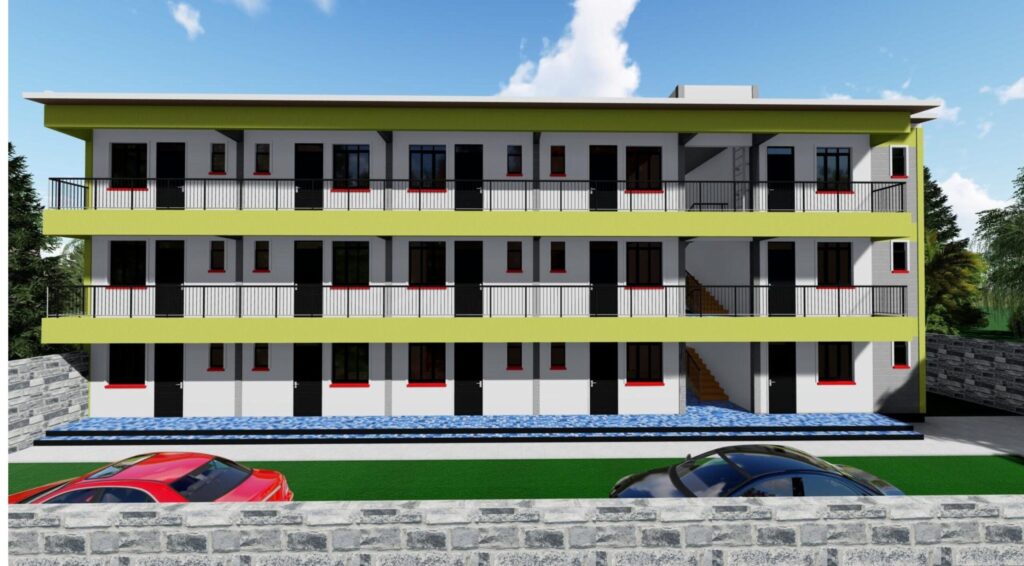
- Elevations illustrating the building’s exterior.
- Sections showing vertical cuts through the building.
- Bill of Quantities (BoQ) for materials and costs.
- Optional 3D views to help visualise the finished project.
These components ensure you have a clear roadmap before construction begins, which is especially important when handling multi-family house plans Kenya.
Difference Between Apartment Plans and House Plans
Unlike standard residential house plans, flats floor plans Kenya focus on multiple units, shared spaces, and circulation efficiency. They include details like staircases, corridors, shared walls, and parking areas, which are often absent in single-family house plans. Choosing the right apartment plan ensures your design meets both investor goals and tenant needs.

Types of Apartment Plans & When to Use Them
Bedsitter & Studio Apartment Plans
Bedsitter and studio apartment plans are ideal for high-density rentals, student housing, or small plots. They combine living and sleeping areas into a single room with a compact kitchen and bathroom. Pros include low construction costs and high occupancy potential, while cons may involve limited space for tenants.
One-Bedroom & Two-Bedroom Apartment Plans
One-bedroom and two-bedroom apartment plans are popular among young professionals and small families. They balance rental affordability with tenant comfort, offering separate bedrooms, living areas, and kitchens. These plans often provide higher rent compared to bedsitters while still fitting on moderately sized plots.
Three-Bedroom & Larger Family Units
Three-bedroom or larger apartment plans are designed for family-friendly living. They typically include multiple bedrooms, larger living spaces, and sometimes balconies or storage areas. These units attract long-term tenants or buyers and can increase the overall property value.
Multi-Family House Plans (Duplex/Triplex Blocks)
Multi-family house plans, such as duplexes and triplexes, maximise land use on small plots. They allow investors to include multiple units in one building, increasing rental income potential. These plans require careful layout planning to ensure privacy, proper ventilation, and efficient circulation between units.


Key Components of a Complete Apartment Plan
Floor Plans & Layouts
The floor plans in an apartment plan show the layout of each unit, including room sizes, circulation paths, and overall orientation. Properly designed flats floor plans Kenya ensure efficient space use, natural ventilation, and tenant comfort. Clear floor layouts also help builders avoid mistakes and streamline construction timelines.
Elevation & Section Drawings
Elevation and section drawings illustrate the external appearance, rooflines, and cross-sectional views of the building. These components help investors and contractors visualise the structure’s height, facade, and design style. Using elevations ensures your apartment design is compliant with county aesthetic and safety standards.
Bill of Quantities (BoQ) & Structural Drawings
A Bill of Quantities (BoQ) lists all materials, quantities, and costs needed for construction, while structural drawings provide guidance on load-bearing walls, columns, and foundations. Together, these ensure your multi-family house plans Kenya are buildable, safe, and within budget.
Utilities, Parking, & Site Layout
A comprehensive apartment plan also includes utilities like water, electricity, and waste management systems. Parking layout, landscaping, and common areas are planned to maximise convenience for tenants and compliance with local regulations. Proper site planning enhances both functionality and the building’s rental value.

How to Choose Apartment Plans for Your Land
Matching Plans to Plot Size
Choosing the right apartment plan starts with understanding your plot size. Popular sizes like 30×60 ft, 40×80 ft and 50×100 ft require specific layouts to maximise unit count while maintaining comfort. Correctly matched plans prevent overcrowding and ensure compliance with county setback regulations.
Unit Mix & Target Tenant Analysis
Selecting the unit mix depends on your target tenants. Bedsitters are ideal for students, 1BR and 2BR units attract young professionals, while 3BR and larger units cater to families. Balancing different unit types helps maximise rental income and ensures high occupancy rates.
Balconies, Natural Light & Parking Considerations
Apartment plans should optimise natural light, ventilation, and privacy for tenants. Including balconies, adequate window placements, and proper parking spaces improves livability and rental appeal. Thoughtful planning here increases both tenant satisfaction and long-term ROI.

Building Approval & Compliance in Kenya
County Building Permits
Before constructing an apartment in Kenya, obtaining county building permits is essential. These approvals ensure your project complies with local regulations, including setbacks, height limits, and plot coverage. Required documents typically include your apartment plans in Kenya, structural drawings, and a site plan, along with the applicable fees.
Planning & Environmental Compliance
Apartments must also meet planning and environmental requirements. This includes adhering to Environmental requirements (EIA/NEMA where applicable), fire safety, and utilities planning.”. Compliance ensures tenant safety, avoids legal penalties, and makes your apartment building designs Kenya project more attractive to investors.
Timeline for Approval
The approval process in Kenya can vary but generally takes a few weeks to several months depending on the county and complexity of the project. Submitting complete flats floor plans Kenya and all supporting documents reduces delays. Monitoring the timeline helps plan construction schedules and financial projections effectively.
Cost Estimation & ROI for Apartment Projects
Plan Costs vs Construction Costs
The total cost of an apartment project includes the cost of apartment plans in Kenya and full construction expenses. Bedsitters are cheaper to build, while 2BR and 3BR units require more materials and labor. Accurate budgeting ensures the project remains profitable and avoids unexpected expenses.
Rental Income Projections
Estimating rental income helps investors understand potential returns. For example, bedsitters may generate lower rent per unit but higher occupancy, while 1BR and 2BR units provide higher monthly rent per tenant. Combining different unit types in your multi-family house plans Kenya can optimise total revenue.
ROI & Investment Considerations
Return on investment (ROI) depends on construction cost, rental income, and occupancy rates. Implementing cost-saving measures and value engineering in your apartment building designs Kenya can shorten payback periods. Proper planning ensures your project is both sustainable and profitable for long-term investment.


Where to Buy or Customise Apartment Plans
Ready-to-Buy Online Plans
For investors and homeowners looking to save time, ready-to-buy apartment plans in Kenya are a convenient option. These pre-designed plans typically cover 3–4 storey buildings and include floor layouts, elevations, and structural guidance. Purchasing ready-made plans allows you to start construction faster while ensuring your flats floor plans Kenya are professional and compliant.
Custom Architectural Services
Hiring architects in Nairobi or other parts of Kenya enables you to design fully customized apartments. Custom plans allow adjustments to unit mix, plot size, and aesthetic preferences, making your apartment building designs Kenya truly unique. Working with professionals also ensures that your project meets county regulations and construction standards.
Tips for Choosing Quality Plan Providers
When selecting a plan provider or architect, consider these tips:
- Confirm they provide council-ready drawings.
- Ask about revisions and modifications.
- Check experience with multi-family house plans Kenya.
- Ensure plans include all necessary components like BoQs, elevations, and utility layouts.
These checks help avoid future delays, extra costs, and compliance issues.
Conclusion
Choosing the right apartment plans in Kenya is essential for successful construction, maximising rental returns, and ensuring compliance with county regulations. From bedsitter units to multi-family blocks, well-designed plans help investors and homeowners optimise space, reduce construction risks, and attract long-term tenants. By understanding costs, approvals, and unit mix strategies, you can confidently start your apartment project and achieve the best ROI.