
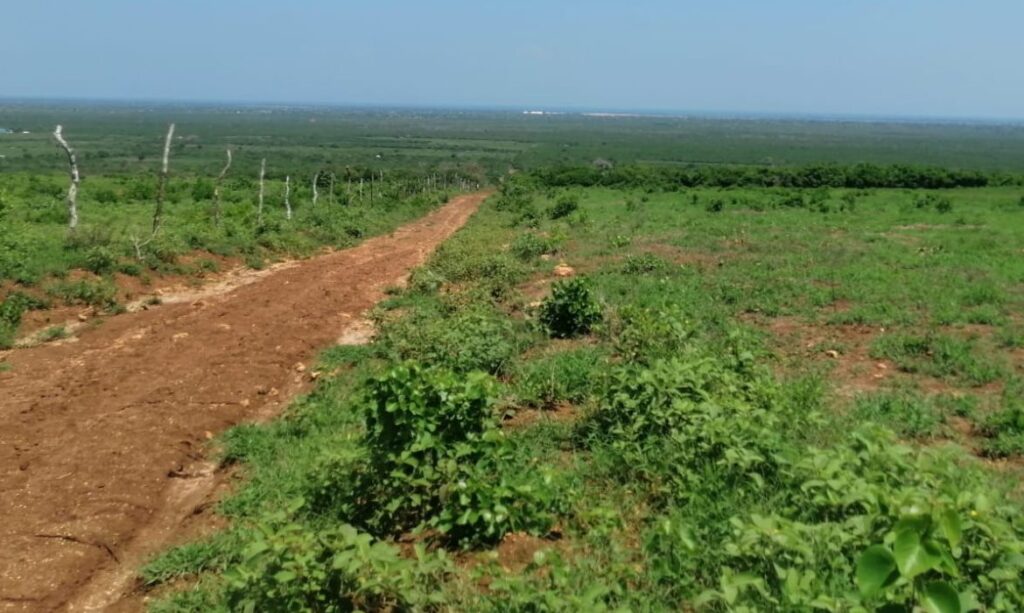
Looking for investment land in Kenya? Discover top land investment opportunities, cost breakdowns, legal steps, risks to avoid, and how to choose high‑return property investment land with confidence in 2026.
Why Investment Land in Kenya Matters
Kenya’s growing urbanisation & rising demand for land
Kenya’s cities are expanding at a fast pace, driving demand for both residential and commercial land. Urban growth, particularly around Nairobi, Mombasa, and Kisumu, has increased land prices and created new investment hotspots. Investors who act early in these growth corridors often secure prime plots at lower costs before prices escalate. This growing demand makes land a tangible asset with strong future potential, offering both short-term gains and long-term capital appreciation.
Land appreciation trends & inflation hedge
Investment land in Kenya has consistently shown strong appreciation trends over the years, outpacing other asset classes. Inflation and currency fluctuations often reduce the value of cash savings, but land maintains its worth and can even increase over time. Investors benefit from both the potential resale gains and the ability to generate rental income if developed. Understanding these trends helps in identifying high-return plots that align with financial goals.
Land for diversified investment (residential, commercial, agricultural)
Land in Kenya offers a variety of investment options, including residential plots, commercial spaces, and agricultural land. Diversifying across these categories reduces risk and maximises potential returns. Residential areas near urban centers provide steady demand, commercial plots benefit from business growth, and agricultural land taps into food production and eco-tourism. By balancing investments across sectors, investors can secure both stable income streams and long-term appreciation.


Services Included When Buying Investment Land
Title & boundary verification
Before purchasing any investment land in Kenya, it is critical to verify the title deed and confirm property boundaries. This step ensures the seller has legal ownership and the land is free from disputes or encumbrances. Boundary verification often involves consulting survey plans and maps to match physical markers on the plot. Ensuring accurate documentation protects investors from future legal conflicts and potential financial losses.
Land search & due diligence
Conducting a land search and due diligence is essential for confirming ownership history, zoning regulations, and potential encumbrances. Investors can use government portals like Ardhisasa or eCitizen for official title checks. Due diligence also includes reviewing any pending disputes or unpaid taxes. Proper checks increase confidence in the purchase and reduce the risk of fraud.
Legal documentation and contracts
Legal documentation is a key service when acquiring investment land in Kenya. Sale agreements, deposit receipts, and other legal contracts formalise the transaction. Consulting a licensed advocate ensures all terms are legally binding and protects investors from breach of contract issues. Well-prepared documents help secure ownership and clarify responsibilities for both buyer and seller.
Cost Breakdown of Buying Investment Land in Kenya
Purchase Price – Varies by region & land type
The purchase price of investment land in Kenya depends on location, plot size, and land type. Urban areas or satellite towns near Nairobi typically have higher prices due to demand and infrastructure development. Rural or agricultural plots may be cheaper but could have slower appreciation. Investors must weigh cost against potential returns to select the best option.

Stamp Duty – 2–4% of value
Stamp duty is a government-imposed tax calculated as 2–4% of the land’s value. Payment is mandatory before transfer of ownership and must be documented to avoid legal issues. This cost varies depending on the county and the land type, and investors should include it in their total budget. Paying stamp duty on time protects the investment and ensures compliance with Kenyan law.
Legal Fees – ~1–2% of land value
Legal fees cover the services of advocates handling contracts, due diligence, and title verification. Typically, fees range from 1–2% of the property value. Skilled legal support ensures documents are accurate, disputes are avoided, and ownership is secure. Budgeting for these costs is crucial for a smooth land acquisition process.
Land Search & Registry Fees
Land search and registry fees pay for government verification of land ownership, encumbrances, and pending disputes. Using official portals like eCitizen or Ardhisasa helps investors confirm authenticity. These fees are generally small compared to the overall investment but are essential for legal security.
Survey & Valuation Costs
Survey and valuation fees vary depending on land size and location. Surveyors confirm boundaries and exact measurements, while valuers provide market estimates. These services prevent overpayment and identify potential risks. Budgeting for surveys ensures confidence in the investment’s accuracy and legality.
Agent/Consultant Fees
Agents or consultants often assist in identifying properties, negotiating prices, and facilitating transactions. Their fees are usually a percentage of the purchase price. Professional guidance can save time and reduce risk, especially for first-time investors. Hiring a reputable agent ensures a smoother purchase process.


Factors Influencing Land Investment Costs in Kenya
Location & proximity to major cities
Land prices in Kenya are heavily influenced by location and proximity to urban centers. Plots near Nairobi, Mombasa, Kisumu, or other growing cities typically command higher prices due to demand and convenience. Investors seeking high-return land often target areas within commuting distance to major cities. The closer the plot to business hubs, schools, and hospitals, the higher the likelihood of price appreciation.
Infrastructure & development projects
Infrastructure projects like highways, bypasses, and technology cities can dramatically increase land value. Properties near ongoing or planned developments experience rapid appreciation as accessibility and economic activity improve. Investors who identify these growth corridors early often secure prime plots at lower costs. Monitoring government development plans helps ensure you invest in areas with future demand.
Zoning & land use classification
Zoning and land use regulations affect what can be developed on a property, impacting both cost and potential returns. Residential, commercial, agricultural, or mixed-use zoning determines legal building rights and restrictions. Understanding zoning ensures compliance with county laws and avoids future disputes. Investors should always confirm the land’s zoning status before purchase.
Access to utilities & transport
Availability of utilities such as electricity, water, and internet, as well as proximity to major roads, influences investment land costs. Well-connected plots near transport networks and essential services attract higher buyers’ demand. Land with easy access to utilities is easier to develop and resell, making it a safer investment. Evaluating utility connections early can prevent costly infrastructure investments.
Legal & Regulatory Considerations for Buying Land in Kenya
Title deed verification & Land Search
Verifying the title deed and conducting a land search is the first legal step in buying land. Investors must confirm ownership, ensure no encumbrances exist, and check for pending disputes. Using official platforms like Ardhisasa or eCitizen provides accurate records. Proper verification prevents fraud and guarantees secure investment.
Types of land ownership (Freehold vs Leasehold)
Understanding the type of land ownership is crucial. Freehold allows indefinite ownership, while leasehold grants usage rights for a specific period, usually 33–99 years. Each type impacts resale value, development possibilities, and legal obligations. Choosing the right ownership type aligns with your investment strategy and risk tolerance.
Sale Agreement & deposit terms
A formal sale agreement protects both buyer and seller by outlining price, deposit, and payment conditions. Deposits are usually paid upon signing, with clear terms for refunds if the transaction fails. Legal oversight ensures the agreement is enforceable and prevents misunderstandings. Well-prepared contracts reduce disputes and secure your investment.
Transfer process & timeline
After the sale, the land transfer and registration process legally confirms ownership. Documents are submitted to the land registry, and fees like stamp duty must be paid. Understanding the timeline avoids delays and ensures the title is officially recorded. Completing this process properly protects your rights and future resale potential.
Risks of land fraud & disputes
Land fraud and disputes are common risks in Kenya’s property market. Fake titles, double sales, and boundary conflicts can cause severe financial losses. Investors should engage licensed advocates, verify documents, and inspect boundaries physically. Awareness and preventive measures significantly reduce risk, making land investment safer and more profitable.

How to Choose the Right Investment Land in Kenya
Nairobi Satellite Towns – Kitengela, Ruiru, Juja
Nairobi’s satellite towns, including Kitengela, Ruiru, and Juja, are emerging as top investment zones. Rapid urbanisation and proximity to the capital make these areas attractive for residential and commercial land. Prices remain relatively lower than central Nairobi, offering potential for high capital appreciation. Investors can benefit from ongoing infrastructure projects, such as roads and shopping centers.
Rift Valley & City Growth Corridors – Nakuru, Naivasha
The Rift Valley region, particularly Nakuru and Naivasha, is experiencing significant growth due to industrial and commercial expansion. Land investment opportunities here include residential, commercial, and mixed-use plots. Proximity to highways and transport corridors enhances accessibility, increasing property value. Early investments in these corridors often yield high returns as urbanisation continues.
Tourism & Coastal Land – Mombasa, Diani
Coastal land in Mombasa and Diani offers strong investment potential through tourism and resort developments. Properties near beaches or key tourist sites experience both high rental demand and long-term appreciation. Investors benefit from eco-tourism and hospitality growth, making coastal land a profitable addition to a diversified portfolio. Evaluating land with clear titles is essential for secure investment.
Western & Lakeside – Kisumu
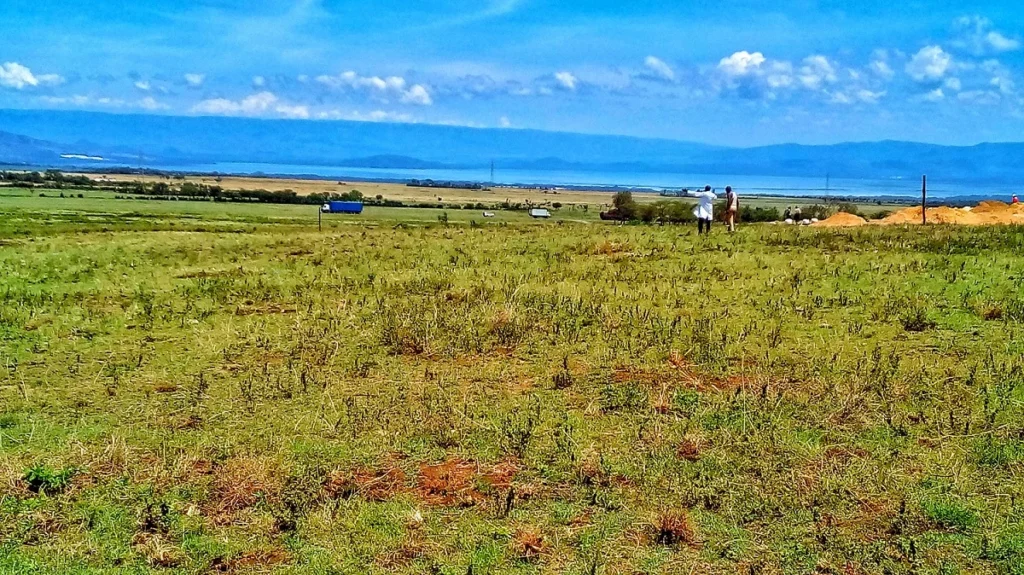
Kisumu and surrounding lakeside areas present unique investment opportunities due to industrial growth and transport access. Residential and commercial plots are in demand, particularly near the city center and lakeshore. The combination of affordability and long-term growth potential makes this region ideal for investors seeking high-return land in Kenya. Proper due diligence ensures smooth acquisition.
Rural / Agribusiness land potential
Rural land for agriculture or agribusiness is gaining attention as Kenya focuses on food security and export crops. Investors can cultivate crops or develop eco-tourism ventures. Such land often has lower initial costs and long-term appreciation potential. Strategic location near water sources and roads enhances profitability. Diversifying into agribusiness land helps balance risk while tapping into stable returns.
Criteria for Selection – Growth potential, title clarity, budget & exit strategy
Selecting the right investment land requires evaluating multiple criteria. Key factors include growth potential, clear title deeds, budget alignment, and a defined exit strategy. Investors should prioritise plots near urban expansion zones, check for legal documentation, and plan resale or development paths. Thorough assessment ensures secure investments with maximum returns.
Conclusion
Summary of Investment Benefits & ROI Potential
Investment land in Kenya provides capital appreciation, rental income potential, and long-term security. Strategic selection of high-growth areas ensures steady returns. Diversifying across residential, commercial, and agricultural plots mitigates risk while capturing multiple income streams. Awareness of market trends and infrastructure developments enhances profitability and investment sustainability.
Key Steps to Take Before Buying
Before purchasing, investors should conduct title verification, due diligence, legal documentation, survey and valuation, and assess infrastructure and zoning. Engaging licensed advocates and reputable agents ensures secure transactions. Following these steps protects against fraud and maximises return potential.
Calls-to-Action: “Get a free land valuation”, “Talk to a licensed advocate”, “Explore verified land listings”
Investors should take actionable steps by requesting professional land valuations, consulting licensed advocates for legal guidance, and reviewing verified listings. These steps ensure transparency and secure high-return investments. Taking timely action enhances chances of acquiring premium land before prices rise.


