

1-Bedroom House Plan Kenya
Looking for a 1-bedroom house plan in Kenya? Explore simple, affordable, and low-cost house designs perfect for first-time homeowners. Get inspiration, design tips, and construction cost insights for your ideal starter home in Kenya.
Introduction
1-Bedroom House Plan Kenya
A 1-bedroom house plan in Kenya offers the perfect balance between simplicity, affordability, and comfort. Whether you’re building your first home, a guesthouse, or a rental unit, a one-bedroom design provides practical living space without overspending. These homes are especially popular among young professionals and small families looking for a starter home in Kenya.
In this guide, you’ll explore various simple one-bedroom house plans, cost estimates, modern design ideas, and practical construction tips to help you start your building journey confidently.

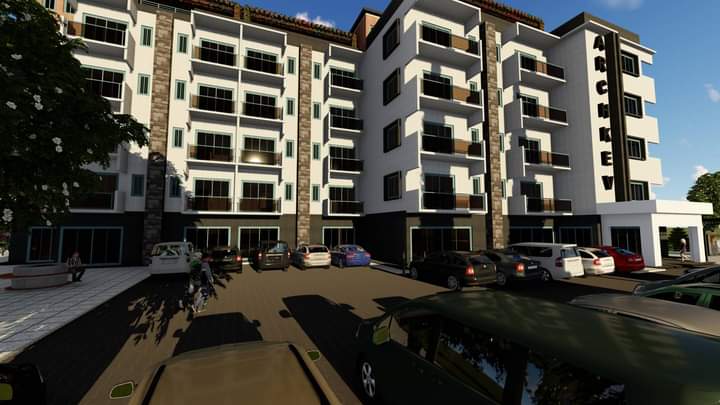
Why Choose a 1-Bedroom House Plan in Kenya
Choosing a 1-bedroom house plan comes with several benefits that make it ideal for different budgets and lifestyles. From affordability to flexibility, these homes suit both rural and urban settings.
Affordability for First-Time Builders
A major reason Kenyans opt for 1-bedroom house plans is cost-effectiveness. With a smaller footprint, you save on materials, labour, and finishing. The low-cost house designs in Kenya make it easy to own a home without heavy loans or long-term financial strain.
Easy Maintenance and Efficiency
A one-bedroom house is easier to clean, maintain, and manage utilities. It suits busy individuals or retirees who prefer low-maintenance living. The energy efficiency and minimal upkeep reduce recurring costs significantly.
Perfect Starter Home in Kenya
For couples or individuals starting out, a starter home in Kenya with a one-bedroom offers both privacy and cosiness. It can later serve as a rental, guesthouse, or retirement home — making it a flexible investment.
Popular 1-Bedroom House Design Styles in Kenya
When planning your 1-bedroom home, design choice matters. Kenya’s climate, land type, and budget all influence which plan suits you best.
Simple One-Bedroom House Plan
Simple one-bedroom plans emphasise function over luxury. They usually feature a compact living area, open kitchen, bathroom, and one bedroom. This design is easy to build and ideal for plots in both urban estates and rural areas.
Modern Flat Roof Design
Modern flat-roof plans have gained popularity in cities like Nairobi and Kisumu. These designs are sleek, energy-efficient, and allow rooftop space for solar panels or outdoor seating. The materials used often include reinforced concrete and modern finishes.


Countryside Cottage Style
A cottage-style 1-bedroom home is perfect for rural settings or vacation homes. It incorporates natural materials such as stone and wood, providing a cosy, homely feel. This style blends well with scenic or agricultural landscapes.
Cost of Building a 1-Bedroom House Plan in Kenya
Understanding the cost helps you budget realistically and avoid overspending. Prices depend on location, materials, and design complexity.
Average Construction Costs
On average, building a 1-bedroom house in Kenya costs between Ksh 800,000 and Ksh 1.5 million. The difference depends on finishes, roofing type, and whether you use standard or high-end materials.
Factors Influencing Cost
Key factors include:
- Land location and accessibility
- Type of materials (cement, roofing, finishes)
- Labour and contractor charges
- Approval and legal fees
Understanding these helps you choose a low cost house design in Kenya that fits your budget.
Ways to Reduce Construction Costs
To save money:
- Use local materials and labour
- Avoid complex roof designs
- Build in phases if necessary
- Choose a simple plan with minimal corridors

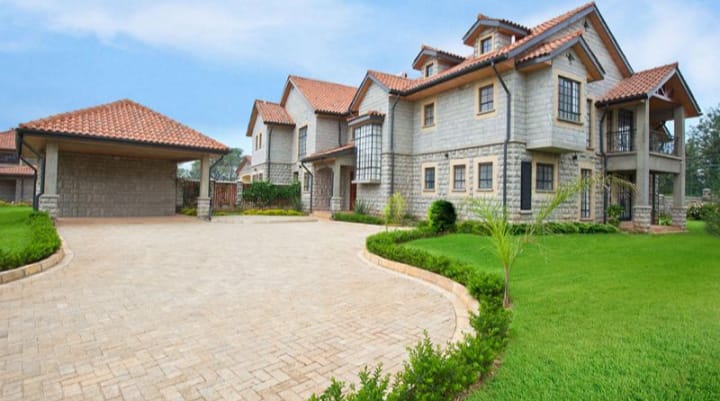
Planning and Design Considerations
Good planning ensures your house fits your needs, budget, and plot size.
Choosing the Right Plot
Your plot should be accessible, well-drained, and comply with county zoning laws. Always confirm land ownership details before construction to avoid disputes.
Space Optimisation
A small house needs a creative design. Use open-plan layouts, light colours, and multi-purpose furniture to make the space feel larger. Natural lighting also improves comfort and energy efficiency.
Legal and Architectural Approvals
Before building, get approvals from the County Government and NEMA. This ensures your structure meets safety and environmental standards. Unapproved constructions risk demolition or penalties.
Interior Design Ideas for 1-Bedroom Homes
A great house plan deserves a cosy interior. With a small space, design decisions matter even more.
Open Layout and Light Colours
Using an open layout connects your living, dining, and kitchen spaces seamlessly. Light wall colours and reflective surfaces make the house feel airy and spacious.
Functional Furniture Choices
Opt for furniture that saves space — such as foldable dining sets, wall-mounted shelves, and storage beds. This keeps your house uncluttered while maximising usability.
Incorporating Local Materials
Using local materials like clay tiles, timber, or polished stone adds warmth and character. They’re also affordable and readily available across Kenya.
Where to Find Reliable 1-Bedroom House Plans in Kenya
Finding authentic and detailed house plans ensures structural integrity and compliance.
Consulting Registered Architects
Always work with registered architects or designers approved by the Board of Registration of Architects and Quantity Surveyors (BORAQS). They provide safe, practical, and regulation-compliant plans.
Online Platforms and Building Firms
Websites offering downloadable simple one-bedroom house plans are convenient. However, always verify they match your plot’s dimensions and comply with Kenyan codes before using them.
Custom Designs for Personal Touch
Custom house plans allow you to modify layouts, add verandas, or include storage spaces. They cost slightly more but fit your exact preferences.

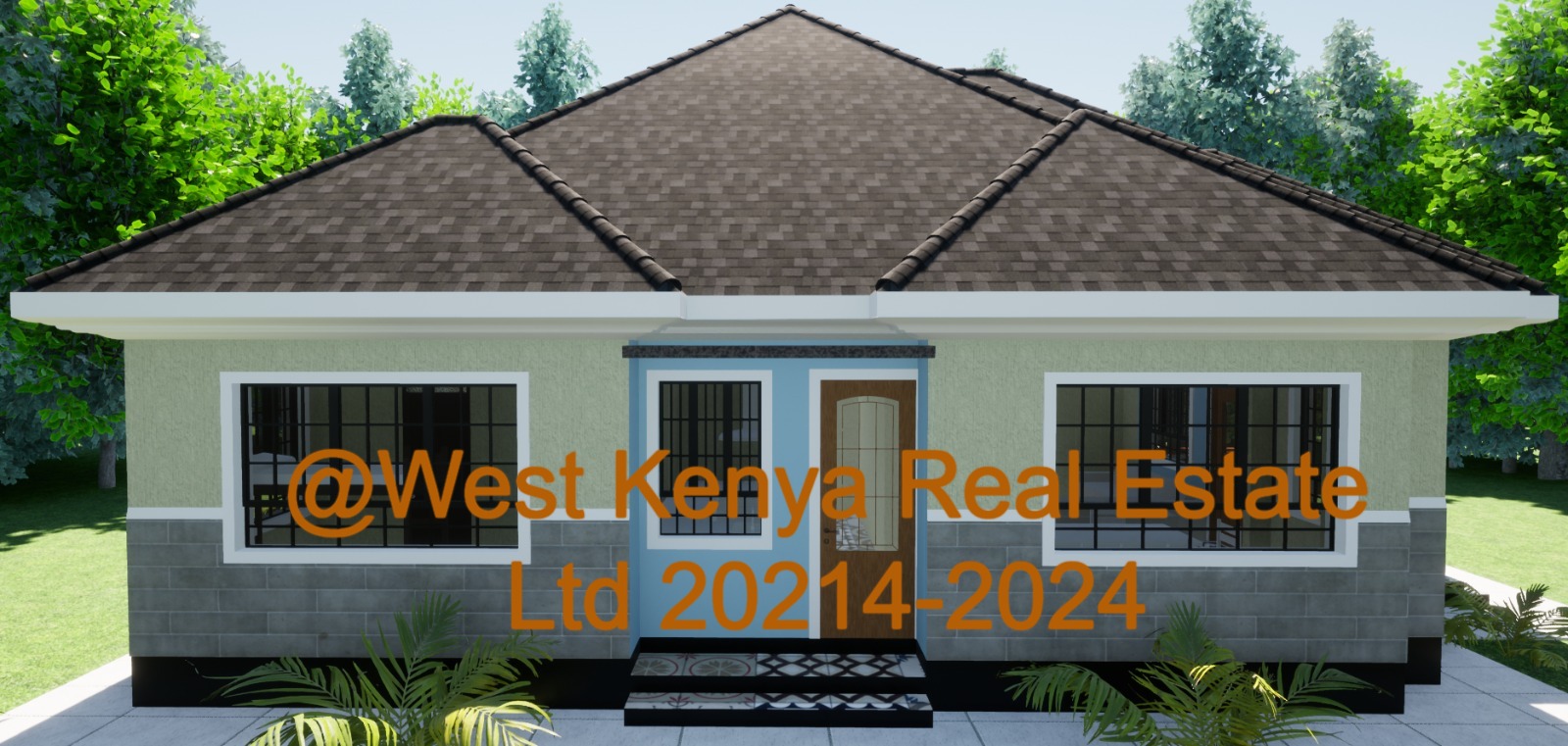
Sustainable and Energy-Efficient 1-Bedroom Homes in Kenya
Building a sustainable 1-bedroom house plan in Kenya is becoming more popular as homeowners look for ways to save energy and protect the environment. Sustainability doesn’t just benefit nature—it also reduces long-term utility costs and improves home comfort. Many modern builders now incorporate renewable energy options such as solar panels and rainwater harvesting systems. Homeowners are increasingly aware that energy efficiency translates into real savings on electricity and water bills. Sustainable homes also have better resale value due to their eco-friendly reputation. As Kenya’s urban areas continue to grow, sustainable construction will play an even bigger role in how people design and build their homes. Creating an eco-conscious house doesn’t have to be expensive—it simply requires smart planning and local materials.
Solar Energy Integration
Installing solar panels is one of the most practical ways to make your 1-bedroom house energy-efficient. Kenya receives plenty of sunshine throughout the year, making solar systems a reliable and cost-effective choice. Solar power can supply electricity for lighting, heating water, and even charging electronic devices. Over time, the savings offset the initial installation cost, giving homeowners long-term financial benefits. Many homeowners also use hybrid systems that combine grid and solar energy for flexibility. Local suppliers offer various solar kits suitable for small houses and rural setups. Additionally, solar water heaters are affordable and easy to maintain. Embracing solar energy makes your home future-ready while supporting Kenya’s clean energy goals.
Rainwater Harvesting Systems
Rainwater harvesting is another way to make small homes sustainable and cost-effective. Installing a collection system helps store rainwater for cleaning, irrigation, or flushing toilets. This reduces dependence on municipal water and minimises bills, especially in dry seasons. The initial setup involves gutters, a storage tank, and a simple filtration unit, which can all be sourced locally. Rural areas benefit greatly since water supply can be inconsistent. It’s also an environmentally friendly practice that helps reduce runoff and erosion. With proper maintenance, harvested rainwater can last through dry spells without contamination. Integrating this system adds both practicality and value to your home.
Smart Technology in 1-Bedroom House Designs
Technology is transforming how Kenyans design, build, and live in their homes. Incorporating smart systems into a 1-bedroom house plan enhances comfort, security, and energy management. These solutions are no longer limited to high-end homes—affordable smart devices are now widely available. Whether it’s controlling lighting from your phone or monitoring your property remotely, smart homes offer unmatched convenience. Many developers and homeowners are integrating these features during construction for better wiring and placement efficiency. Smart technology also boosts property value, making the house appealing to modern buyers. As more Kenyans embrace digital lifestyles, tech-integrated homes will soon become the new normal.
Smart Lighting and Appliances
Smart lighting allows homeowners to adjust brightness, color, and scheduling directly from mobile devices. This level of control helps reduce electricity usage and enhances interior ambiance. Motion sensors automatically turn lights on or off depending on movement, further increasing efficiency. Similarly, smart appliances like fridges and washing machines can be programmed for off-peak hours, reducing energy costs. Most smart devices connect via Wi-Fi or Bluetooth and are compatible with voice assistants. This technology is simple to install even in smaller homes. As prices drop, these devices become an accessible upgrade for many Kenyans. Investing in smart home technology ensures convenience and sustainability for years to come.
Home Security Automation
Security is a top concern for Kenyan homeowners, especially in urban areas. Smart security systems provide round-the-clock monitoring and instant alerts through mobile apps. Features include smart door locks, CCTV cameras, motion detectors, and alarm systems that can be remotely managed. This technology gives peace of mind whether you’re at home or away. Most systems are powered by Wi-Fi and have battery backups for reliability during outages. Affordable options are available from both local and international brands. Integration with other smart devices like lighting and sirens enhances safety. For homeowners building new houses, pre-installing wiring for smart systems ensures better setup and performance.

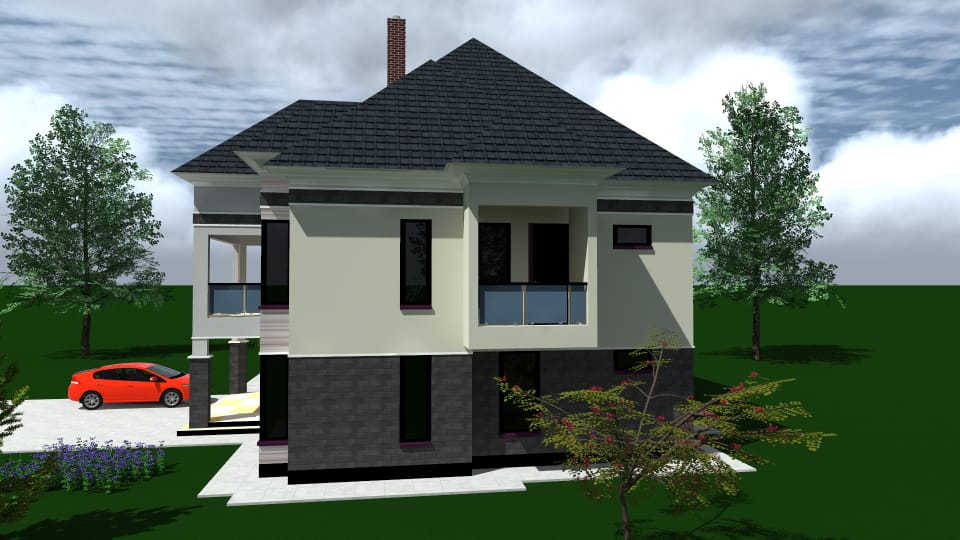
Expanding a 1-Bedroom Home for Future Growth
A well-designed 1-bedroom home can be expanded as your needs change. Whether you plan to start a family or want extra rental income, building with future growth in mind saves time and money. Many Kenyans are now adopting modular construction, where homes are built in phases. Planning extensions early ensures proper foundation and layout flexibility. Even if your budget is tight today, leaving space for future rooms is a smart investment. The ability to add another bedroom, veranda, or kitchen wing enhances the property’s long-term value. Expansion doesn’t need to disrupt daily living if done strategically with professional guidance.
Planning for Vertical Expansion
Building vertically is one of the most cost-effective ways to expand without needing extra land. When designing your 1-bedroom house, ensure the foundation and columns can support an additional floor later. This foresight prevents structural problems and costly adjustments in the future. Many homeowners start with a single-story home and later add more rooms above. Vertical expansion works best in urban plots where land space is limited. Using lightweight materials for upper floors reduces load pressure on the structure. Always consult a structural engineer before making such changes to ensure compliance and safety. It’s a practical way to prepare your home for future family or rental needs.
Horizontal Extensions and Outdoor Additions
Horizontal expansion involves extending rooms outward or adding outdoor features like verandas or kitchens. This option suits rural plots or spacious suburban areas with enough surrounding land. You can gradually build new sections as finances allow, maintaining flexibility. Planning utilities like plumbing and wiring early simplifies future connections. Extensions can include guest rooms, storage areas, or rental units. The key is maintaining architectural consistency with the original design. Landscaping can also be integrated to connect new and old sections beautifully. Proper planning turns your simple home into a multi-purpose space that grows with your lifestyle.
Financing Options for Building a 1-Bedroom House in Kenya
Many aspiring homeowners hesitate to start construction due to financial limitations. However, Kenya offers various financing options tailored for small home projects. Understanding these options helps you make an informed decision without overburdening your finances. Some people choose to self-finance, while others rely on bank loans, SACCOs, or government programs. The flexibility of these methods allows you to match your repayment capacity and timeline. Whether you earn a regular salary or operate a business, you can find a financing route that suits you. The key is planning early and evaluating total project costs before applying for funding.
SACCO and Microfinance Loans
SACCOs remain one of the most accessible financing avenues for ordinary Kenyans. They offer flexible repayment terms and lower interest rates compared to commercial banks. Many SACCOs also have specialised products for construction and land development. Applicants typically need to show proof of income and an approved house plan. Microfinance institutions, on the other hand, provide quick short-term credit for specific project stages. These loans help bridge financial gaps during foundation, roofing, or finishing. They’re particularly suitable for small home builders with limited capital. Regular repayment builds creditworthiness for future expansions or larger projects.
Government and Bank Mortgage Programs
Several Kenyan banks and government-backed institutions offer housing finance solutions for individuals and groups. The Kenya Mortgage Refinance Company (KMRC), for instance, supports affordable housing through low-interest loans. Banks like KCB, Co-op, and Equity have home loan options with flexible repayment durations. Applicants should have clear land ownership documents and approved architectural plans. Mortgage programs are ideal for those with stable income and long-term financial discipline. They make owning a starter home in Kenya realistic for young families. Carefully comparing interest rates and hidden charges ensures you pick the best financing path.
Conclusion
A 1-bedroom house plan in Kenya is perfect for anyone seeking an affordable yet stylish living space. Whether you want a modern flat-roof design or a cosy countryside cottage, these homes provide flexibility and comfort without heavy costs.
With the right planning, materials, and approvals, your dream home can be a reality within budget. Begin by consulting professionals, exploring low cost house designs in Kenya, and preparing your construction plan wisely.