
Simple & Low-Cost House Designs in Kenya (2026 Guide)

Simple & Low-Cost House Designs in Kenya
Discover the best places to build rental property in Kenya for high returns, strong demand, and smart real estate investing opportunities.
Introduction: Why Simple & Low-Cost House Designs Are Trending in Kenya
The cost of building a house in Kenya has steadily increased over the years, driven by rising prices of key materials such as cement, steel, and roofing products, alongside higher labour and land costs. For many aspiring homeowners, this has made traditional, complex house designs increasingly unaffordable. As a result, there is a growing shift toward simple and low-cost house designs that prioritize functionality, affordability, and efficiency.
Today, more Kenyans—especially first-time homeowners, young families, and rural developers—are embracing practical housing solutions that deliver comfort without unnecessary expenses. Unlike the common misconception, “low-cost” does not mean poor quality. Instead, it focuses on cost-efficiency, where every shilling spent adds value to the structure. A well-designed simple house can be durable, modern, and visually appealing while still staying within a manageable budget.
Additionally, the demand for affordable housing has been fueled by population growth and increased interest in real estate investment, particularly in peri-urban and rural areas. Many people are now building smaller, smarter homes or rental units that generate income while minimizing construction costs.
In this guide, you will discover the best simple house designs in Kenya, realistic cost estimates, smart ways to reduce building expenses, and expert tips to help you build efficiently. Whether you are planning your first home or an investment property, this article will help you make informed, cost-effective decisions.
What Defines a Simple & Low-Cost House Design?
A simple and low-cost house design in Kenya is defined by its ability to maximize functionality while minimizing construction and maintenance costs. These homes are carefully planned to eliminate unnecessary complexities, ensuring that every element of the design serves a clear purpose without inflating the budget.
One of the key characteristics of such designs is compact layouts. Instead of large, spread-out floor plans, spaces are efficiently organized to reduce the overall building footprint. This not only lowers material usage but also cuts down on labour costs. Additionally, these houses feature minimal structural complexity, avoiding intricate shapes, multiple corners, or heavy architectural detailing that can significantly increase construction expenses. The finishes are also kept basic and practical, focusing on durability rather than luxury.
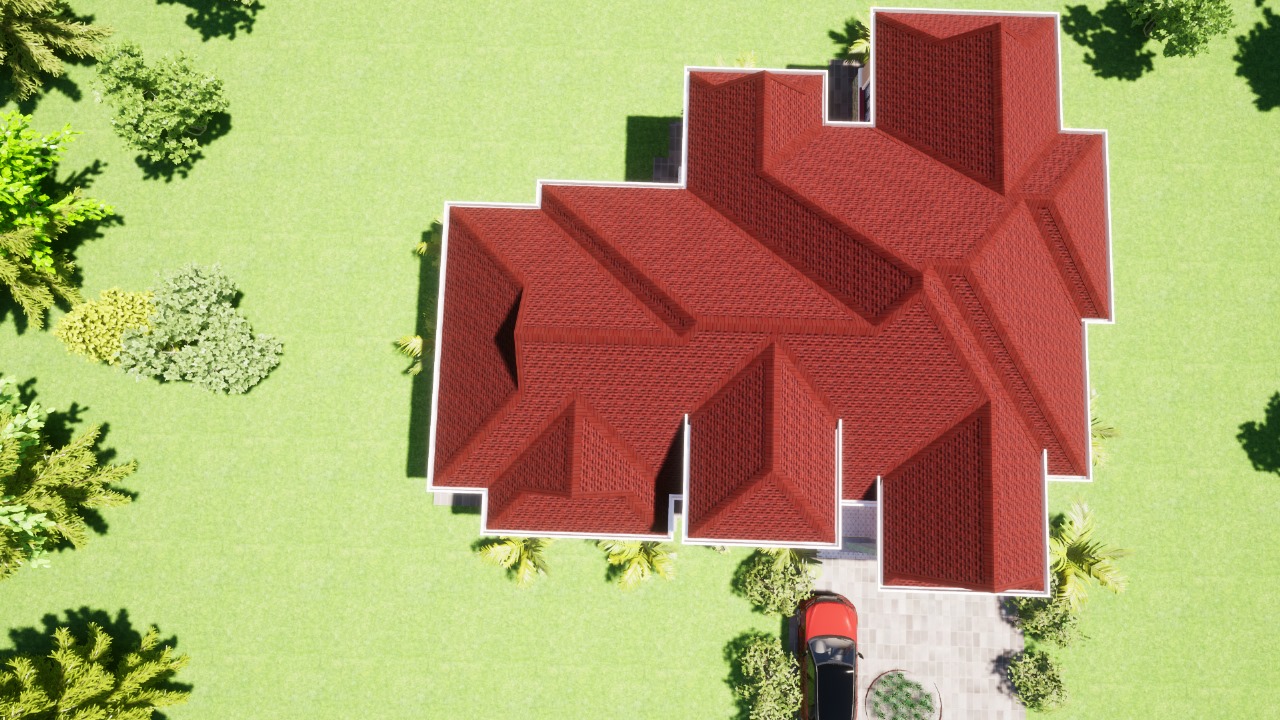
In terms of common features, most simple homes in Kenya range between one to three bedrooms, making them suitable for individuals, small families, or rental purposes. They often incorporate open-plan living spaces, combining the living room, dining, and kitchen areas to save space and reduce wall construction costs. Roofing is typically straightforward, with gable or mono-pitch roofs being the most popular due to their affordability and ease of construction.
Another defining factor is the use of locally available materials such as natural stone, mabati (iron sheets), and Interlocking Stabilized Soil Blocks (ISSB). These materials are not only cost-effective but also readily accessible, reducing transportation and sourcing expenses.
From an SEO perspective, these designs are often associated with search terms like “affordable house plans Kenya” and “budget house designs Kenya,” which reflect the growing demand for practical and economical housing solutions.
Benefits of Simple & Low-Cost House Designs in Kenya
Simple and low-cost house designs have become increasingly popular in Kenya due to the practical benefits they offer to homeowners and investors alike. One of the most significant advantages is lower construction costs. By using compact layouts, simple roof designs, and locally available materials, these houses significantly reduce expenses on materials, labour, and overall project management. This makes homeownership more accessible, especially for individuals working within a tight budget.
Another key benefit is the faster completion time. Unlike complex architectural designs that may take months or even years to complete, simple house designs can be built within a shorter period. This is particularly beneficial for those looking to move in quickly or start generating rental income as soon as possible.
In addition, these homes come with lower maintenance costs. Because they use straightforward designs and durable, locally sourced materials, repairs and upkeep are generally easier and more affordable over time. Fewer structural complications also mean fewer issues in the long run, saving homeowners both time and money.
Simple house designs also benefit from easier approvals and construction processes. Their straightforward nature makes it easier to prepare building plans, estimate costs, and comply with local regulations. This reduces delays often associated with complex projects.
These types of houses are especially ideal for first-time homeowners, who may be building on a limited budget, as well as those developing properties in rural and peri-urban areas, where cost control and material accessibility are crucial.
Types of Simple & Low-Cost House Designs in Kenya (CORE SEO SECTION)
When it comes to building affordably, choosing the right house type is critical. Below are the most common simple and low-cost house designs in Kenya, along with who they are best suited for—helping you make a smarter decision based on your needs and budget.
One-Bedroom Simple Houses
One-bedroom houses are among the most affordable and practical housing options in Kenya. Typically ranging between 30–60 square meters, these designs are compact yet functional, often featuring a small living area, kitchen, bedroom, and bathroom.
They are ideal for single individuals, young couples, or rental investments, especially in urban and peri-urban areas where demand for bedsitters and small units is high. Due to their simplicity, construction is straightforward and requires fewer materials and labour.
The estimated cost of building a one-bedroom house ranges between KSh 600,000 to KSh 900,000, depending on finishes and location. This makes it a perfect entry point for first-time builders or investors looking to generate passive income with minimal capital.
Two-Bedroom Compact Houses
Two-bedroom houses are the most popular low-cost house designs in Kenya, offering a balance between affordability and space. These homes are designed to maximize efficiency, often incorporating open-plan living areas to reduce construction costs while maintaining comfort.
They are ideal for small families, couples planning for growth, or even rural homeowners seeking a permanent residence. With proper planning, these houses can feel spacious despite their relatively small footprint.
Construction costs typically range from KSh 1.2 million to KSh 1.8 million, depending on design complexity and material choices. Their popularity also makes them a safe investment option in both urban and rural settings.
Three-Bedroom Budget Homes
Three-bedroom homes provide a family-friendly solution while still maintaining cost efficiency through smart design. These houses are ideal for medium-sized families who need extra space but want to avoid the high costs associated with larger or more complex homes.
The key to keeping costs low in such designs lies in efficient space planning. Features like shared bathrooms, open living areas, and minimized corridors help reduce construction expenses without compromising functionality.
Although more expensive than one- and two-bedroom options, these homes can still be built affordably by using simple layouts and basic finishes. They also offer flexibility for future modifications or extensions.
Rural Simple House Designs
Rural house designs in Kenya focus heavily on affordability and practicality, making them one of the easiest and cheapest to build. These homes often utilize locally available materials such as stone, timber, or soil blocks, which significantly reduce transportation and procurement costs.
Labour is also generally cheaper in rural areas, further lowering overall construction expenses. The designs are usually simple, with minimal architectural detailing, making them easy to construct even with limited technical expertise.
These houses are ideal for individuals building on ancestral land or those looking to settle outside major towns.
Mabati Houses
Mabati houses are considered the most affordable housing option in Kenya, with construction costs starting from as low as KSh 180,000. These structures primarily use iron sheets for both walls and roofing, making them quick and inexpensive to build.
They are commonly used in rural areas, construction sites, or as temporary housing solutions. However, while they are cost-effective, they come with some drawbacks, including heat during hot weather and noise during rainfall.
Despite these limitations, mabati houses remain a practical option for those with extremely limited budgets or those looking for temporary accommodation.
Prefabricated & Alternative Houses
Prefabricated and alternative housing solutions are gaining popularity in Kenya due to their speed, efficiency, and cost savings. These include structures made from Interlocking Stabilized Soil Blocks (ISSB), precast panels, or modular components that are manufactured off-site and assembled on location.
Such methods reduce construction time significantly and minimize material wastage, leading to lower overall costs. Additionally, they often require less skilled labour, which further cuts expenses.
These designs are ideal for modern homeowners looking for innovative, eco-friendly, and efficient building solutions without exceeding their budget.
Best Layout Strategies for Low-Cost Houses
The layout of a house plays a major role in determining the overall construction cost. A well-planned layout can significantly reduce material usage, labour, and long-term maintenance expenses without compromising comfort or functionality.
One of the most effective strategies is using compact rectangular layouts. Simple shapes are easier and cheaper to construct compared to complex designs with multiple corners or curves. Rectangular plans reduce foundation costs, simplify roofing, and minimize material wastage, making them ideal for budget-conscious builders.
Another key approach is adopting an open-plan design. By combining spaces such as the living room, dining area, and kitchen, you reduce the number of internal walls required. This not only lowers construction costs but also creates a more spacious and modern feel, even in smaller homes.
To further cut costs, it is important to minimize corridors and unused spaces. Hallways and oversized circulation areas add little functional value but increase the overall building size and cost. Efficient layouts ensure that every square meter serves a purpose.
Additionally, aligning plumbing areas—such as placing the kitchen, bathroom, and laundry close to each other—helps reduce the length of pipes and associated installation costs. This strategy also simplifies maintenance in the future.
Finally, optimizing natural lighting and ventilation is essential. Proper window placement reduces the need for artificial lighting during the day and improves airflow, lowering energy costs over time while enhancing comfort.
Cost Breakdown of Building a Simple House in Kenya
Understanding the cost breakdown of building a simple house in Kenya is essential for proper budgeting and avoiding financial surprises. While actual costs may vary depending on location, materials, and finishes, having a realistic estimate helps you plan more effectively.
Cost per Square Meter in Kenya
On average, the cost of construction in Kenya ranges between KSh 35,000 to KSh 80,000 per square meter. Lower-end costs apply to basic finishes and simple designs, while higher-end costs reflect better materials and more refined finishes. This variation allows homeowners to adjust their budget depending on their priorities.
Cost Distribution Breakdown
A typical construction budget is divided across key stages as follows:
| Construction Stage | Percentage of Total Cost |
| Foundation | 20% – 25% |
| Walls | 25% – 30% |
| Roofing | 15% – 20% |
| Finishes | 20% – 25% |
The foundation and walling stages take up the largest share because they involve heavy materials such as cement, sand, ballast, and stone. Roofing costs depend on the type of roof structure and materials used, while finishes can vary widely depending on whether you choose basic or high-end fittings.
Sample Budget Estimates
Below are typical cost ranges for simple house designs in Kenya:
| House Type | Estimated Cost (KSh) |
| 1-Bedroom House | 600,000 – 900,000 |
| 2-Bedroom House | 1.2M – 1.8M |
| 3-Bedroom House | 2.2M – 2.8M |
These estimates assume standard construction methods and moderate finishes. Costs may increase in urban areas due to higher labour and material prices.
Materials That Make Houses Cheaper in Kenya
Choosing the right materials is one of the most effective ways to reduce construction costs without compromising durability. In Kenya, several cost-efficient building materials are widely used, each with its own advantages and limitations.
Mabati roofing (iron sheets) is one of the most affordable roofing options. It is lightweight, easy to install, and readily available across the country. However, it can be noisy during rainfall and tends to absorb heat, making interiors warmer unless proper insulation is added.
Interlocking Stabilized Soil Blocks (ISSB) are gaining popularity as a low-cost alternative to conventional bricks. They require less cement and no mortar joints, which significantly reduces material and labour costs. On the downside, ISSB requires specialized production equipment and proper soil selection for durability.
Local stone and bricks are commonly used due to their availability and strength. They provide excellent structural stability and are familiar to most fundis. However, transport costs can increase expenses if the source is far, and traditional bricks may require more mortar compared to ISSB.
Prefabricated panels offer a modern, cost-saving solution by reducing on-site labour and construction time. These panels are manufactured off-site and assembled quickly, minimizing material wastage. The main limitation is higher initial setup costs and the need for skilled installation.
Recycled materials, such as reclaimed timber or reused steel, can further lower costs while promoting sustainability. They are ideal for non-structural elements but may require careful selection to ensure quality and safety.
Smart Ways to Reduce Construction Costs (HIGH VALUE SECTION)
Building a house in Kenya doesn’t have to drain your finances. With the right strategy, you can significantly cut costs while still achieving a strong, comfortable, and attractive home. The key lies in making smart decisions from the planning stage all the way to completion.
One of the most effective approaches is to build in phases, starting with the structural shell (foundation, walls, and roofing) before moving on to finishes. This allows you to spread costs over time and avoid financial strain, especially if you are working with limited funds.
Choosing simple roof designs such as gable or mono-pitch roofs can also lead to major savings. Complex roof structures require more materials, skilled labour, and time, all of which increase overall costs. Similarly, it’s important to avoid complicated building shapes like curves, balconies, or multiple corners. Simple rectangular designs are easier and cheaper to construct.
Another practical strategy is to source materials locally. Buying materials near your construction site reduces transportation costs and supports faster project progress. It also allows you to take advantage of locally available alternatives such as stone or soil blocks.
Labour is another critical factor. Hiring experienced and reliable fundis may seem more expensive initially, but it helps prevent costly mistakes, rework, and material wastage in the long run. Poor workmanship often leads to structural issues that require expensive corrections.
Finally, proper planning is essential. Working with detailed construction drawings and a Bill of Quantities (BQ) ensures accurate budgeting and minimizes waste. It also helps you track expenses and avoid unnecessary purchases.
Urban vs Rural: Where Is It Cheaper to Build?
When planning to build a simple and low-cost house in Kenya, location plays a major role in determining the overall cost. The choice between urban and rural areas can significantly impact your budget, construction process, and return on investment.
In urban areas, construction tends to be more expensive due to high land prices and labour costs. Additionally, building regulations are often stricter, which may increase approval fees and require more detailed planning. Material costs can also be slightly higher due to demand and logistics. However, urban locations offer better access to infrastructure, utilities, and rental markets, making them ideal for income-generating projects.
On the other hand, rural areas provide a more affordable building environment. Land is generally cheaper, and you can take advantage of locally available materials such as stone, sand, and timber. Labour costs are also lower, which reduces the overall construction budget. The simpler regulatory environment can make the building process faster and less costly. However, access to utilities and skilled labour may sometimes be limited.
Decision guide:
- Choose urban areas if your goal is investment or rental income, where higher initial costs can be offset by steady returns.
- Choose rural areas if your focus is affordable homeownership or retirement living, where minimizing construction costs is the priority.
Ultimately, the best choice depends on your financial goals, lifestyle needs, and long-term plans.
Mistakes to Avoid When Building Low-Cost Houses
While building a simple and low-cost house in Kenya can save you a lot of money, many homeowners still end up overspending due to avoidable mistakes. Understanding these pitfalls early can help you stay within budget and avoid frustrating delays.
One of the most common mistakes is poor planning. Starting construction without proper architectural drawings or a clear budget often leads to confusion, design changes, and increased costs midway through the project. Closely related to this is underestimating the total cost of construction, which can result in stalled projects when funds run out.
Another major mistake is choosing extremely cheap but low-quality materials. While the goal is to save money, compromising too much on quality can lead to frequent repairs and higher long-term costs. It is important to balance affordability with durability.
Many homeowners also ignore future expansion needs. A house that is not designed for possible extensions may require expensive modifications later, especially as family needs grow. Planning ahead can save significant future expenses.
Lastly, hiring unqualified or inexperienced contractors is a costly error. Poor workmanship often leads to structural problems, wastage of materials, and additional repair costs that could have been avoided with skilled professionals.
Future-Proofing Your Simple House Design
A well-designed low-cost house should not only meet your current needs but also accommodate future growth. Future-proofing your simple house design ensures that you can expand or upgrade your home later without incurring excessive reconstruction costs.
One of the most important considerations is planning for expansion from the beginning. This means designing the structure in a way that allows additional rooms or floors to be added in the future without compromising the original building.
It is also essential to invest in a strong foundation capable of supporting future floors. Even if you are building a single-storey house initially, a reinforced foundation ensures you won’t need expensive reinforcements later when adding another level.
Another key factor is using flexible layouts. Open and adaptable spaces make it easier to reconfigure rooms as your needs change over time, whether it’s for a growing family or rental purposes.
Additionally, always leave space for possible extensions, such as extra bedrooms, a kitchen expansion, or outdoor utility areas.
Conclusion: Building Smart, Not Cheap
Building a home in Kenya is one of the most important financial decisions you will ever make, and success depends on strategy rather than just budget size. As seen throughout this guide, simple and low-cost house designs are not about cutting corners—they are about making intentional choices that maximize value while minimizing unnecessary expenses.
The key lesson is clear: simplicity leads to affordability. Straightforward layouts, basic finishes, and efficient material use all work together to reduce construction costs without compromising comfort or durability. At the same time, proper planning is what guarantees real savings. From design selection to budgeting and material sourcing, every stage of construction must be carefully thought out to avoid costly mistakes.
Ultimately, the goal is not just to build cheaply, but to build wisely. A well-planned home ensures long-term comfort, fewer maintenance issues, and the flexibility to grow with your future needs. When you approach construction with knowledge and discipline, you turn your dream of homeownership into a realistic and achievable goal.
CALL TO ACTION
Ready to build your dream home in Kenya without overspending?
Work with professionals who understand:
✔ Cost-effective house designs
✔ Accurate construction budgeting
✔ Efficient project management
✔ Use of locally available materials
Whether you’re planning a 1-bedroom starter house, a 2-bedroom bungalow, or a rental investment, the right guidance can save you thousands of shillings.
👉 Contact West Kenya Real Estate today for:
• Custom house plans
• Bills of Quantities (BQ)
• Construction cost estimates
• Full project supervision
📞 Call/WhatsApp: 0724481087 or 0789217685
📧 info@westkenyarealestate.com
Build smart. Spend less. Own your home sooner.