
Why More Kenyans Are Buying House Plans Online

Why More Kenyans Are Buying House Plans Online
Explore why Kenyans are increasingly choosing to buy house plans online — from cost savings and instant downloads to mobile project management and county‑approved designs. Learn how to pick, customise, and build safely with downloadable house plans tailored for Kenya.
Introduction
Why More Kenyans Are Buying House Plans Online
The construction and real estate sector in Kenya is undergoing a digital transformation. More homeowners are choosing to buy house plans online Kenya, taking advantage of faster access, cost savings, and convenience.
The Rise of Online Architectural Platforms
Online house plan platforms are becoming increasingly popular across Kenya. These platforms allow users to download house plans Kenya, access pre-designed layouts, and even manage construction projects digitally. Many platforms also provide engineering drawings, bills of quantities, and cost estimates to help homeowners plan effectively. Internal link suggestion: link to “Popular Online House-Plan Marketplaces for Kenyans” section.
What You Will Learn in This Article
This guide explores why more Kenyans are moving to online house plans. You will learn:
- The benefits of buying house plans online, including cost and time savings.
- Potential risks and challenges to watch out for.
- How to safely purchase, customise, and use online construction plans Kenya for your project.
The Shift to Digital House-Plan Marketplaces in Kenya
Kenya’s housing sector is embracing digital innovation, and more homeowners are now choosing to buy house plans online Kenya. This shift reflects a broader trend toward e-commerce in real estate, where convenience, cost efficiency, and access to a wide variety of designs are driving decisions.
Traditional vs Online Architect Engagement
In the traditional model, engaging an architect required multiple in-person consultations, extended timelines, and higher fees. By contrast, online construction plans Kenya allow homeowners to access ready-made house designs instantly, reducing the need for repeated office visits. Users can:
- Compare multiple pre-designed layouts quickly.
- Access professional engineering and structural drawings.
- Make minor customisations digitally without paying full architect fees.
How E‑Commerce Is Transforming Home Building
E-commerce platforms are transforming home building in Kenya by providing digital access to a wide range of house plans. Homeowners can now download house plans Kenya directly from reputable platforms, access bills of quantities, and even consult virtually with architects. This streamlines the planning process and empowers users to make informed decisions faster.
Increased Internet and Smartphone Access Fueling the Trend
The rapid growth of internet coverage and smartphone adoption in Kenya has made online house plans more accessible than ever. Homeowners can browse, purchase, and manage online construction plans Kenya from mobile devices, while many platforms now offer app-based project management to track materials, labour, and costs in real time.

Key Advantages of Buying House Plans Online
Buying house plans online in Kenya is no longer just a convenience; it is becoming the preferred choice for many homeowners. More people are choosing to buy house plans online Kenya because it offers faster access, cost savings, and professional-level designs that are ready to use for construction.
Cost-Efficiency – Saving on Architect & QS Fees
One of the biggest reasons homeowners are turning to online platforms is cost efficiency. Traditional architectural services require multiple consultations, detailed designs, and revisions, which can be expensive. By purchasing online construction plans Kenya, users save on:
- Architect fees for custom designs.
- Quantity surveyor costs for initial estimates.
- Repeated on-site consultations and follow-ups.
This makes online plans especially appealing for first-time builders or those working within a tight budget. The cost savings allow homeowners to allocate funds directly to construction materials or quality finishes, making the building process more affordable without compromising on design quality.
Ready Bill of Quantities & Cost Projections (e.g., Inuua, Plans.co.ke)
Many online platforms now include a Bill of Quantities (BQ) and detailed cost projections with their plans. Platforms like Inuua and Plans.co.ke provide full breakdowns of material types, quantities, and estimated costs, helping homeowners plan their budget effectively. With these tools, homeowners can:
- Forecast total construction costs before starting the build.
- Plan phased construction to manage expenses over time.
- Compare different house designs to find the most cost-effective option.
This transparency not only reduces surprises during construction but also helps in applying for loans or financing because banks can see detailed cost plans.
Instant Downloads of PDF Plans
Online platforms provide instant access to high-quality PDF plans, which homeowners can download immediately after purchase. This instant access has several advantages:
- Plans can be shared with contractors and county officials immediately.
- Homeowners can review multiple designs quickly and select the best fit.
- Eliminates delays that often occur when waiting for physical drawings.
Instant downloads allow users to start planning or applying for county approvals without waiting, making online house plans a faster alternative to traditional methods.
Structural & Engineering Drawings Included (Inuua offers electrical, plumbing, structural)
Many online house plans now include full engineering and structural drawings. Platforms like Inuua provide architectural layouts alongside detailed plumbing, electrical, and structural diagrams. This ensures:
- The house plan meets safety and structural integrity standards.
- Contractors have precise instructions to follow, reducing construction errors.
- Homeowners can confidently present plans for county approval.
Having these engineering details integrated into the plan reduces the need for hiring additional professionals and speeds up the approval process.
Customisation Options/Minor Adjustments
Even though online house plans are pre-designed, many platforms allow homeowners to make minor adjustments. Users can modify:
- Room sizes and layouts to fit their plot.
- Interior design elements and window placements.
- Floor plans for phased construction or future expansions.
This flexibility allows homeowners to tailor plans to their needs without starting from scratch. Minor customisation ensures the house will fit the site perfectly while still keeping costs lower than fully bespoke designs.
Regulatory Compatibility – Design for County Approvals
Online house plans are often designed with Kenyan county regulations in mind, ensuring smoother approval processes. Plans typically include:
- Correct setbacks and plot coverage to comply with zoning laws.
- Structural calculations aligned with safety standards.
- Compliance with local building codes to prevent future legal issues.
Verifying that an online plan is county-approved is critical for avoiding delays during construction and ensuring the homeowner meets all legal requirements.

How Project Management Platforms Add Value
Digital project management tools have become a major advantage of online house plans. Platforms like Inuua provide homeowners with tools to monitor construction, track costs, and manage labor efficiently. This integration makes online house plans more than just a set of drawings; they become a full construction management solution.
Inuua’s App: Track Materials, Labour & Budget
Inuua’s platform allows homeowners to track every aspect of their construction project. Users can monitor:
- Material deliveries and quantities used.
- Labour allocation and daily progress.
- Budget adherence and cost overruns.
This level of control minimises overspending and ensures projects remain on schedule. It also allows homeowners to make informed decisions quickly if adjustments are needed, especially for phased building projects.
Escrow Payments & Supplier Quotes via App
Project management apps offer secure payment options and the ability to request supplier quotes directly through the platform. This ensures that funds are only released when milestones are completed. Homeowners benefit from:
- Greater financial security and transparency.
- Accurate pricing and ability to compare multiple suppliers.
- Reduced risk of fraud or incomplete work.
This system gives peace of mind to both homeowners and contractors, creating a professional workflow even for first-time builders.
Build Diary, Progress Photos & Community Support (Builder’s Guide)
Many platforms include a build diary with progress photos, allowing homeowners to document construction daily. Community support features also connect homeowners with experienced builders and peers. Benefits include:
- Real-time updates for all stakeholders, including contractors and architects.
- Ability to monitor progress against plans and budgets.
- Access to tips and guidance from other homeowners or professionals.
These tools make it easier to stay organised, resolve issues quickly, and ensure that construction follows the intended house plan accurately.
Popular Online House-Plan Marketplaces for Kenyans
With more homeowners choosing to buy house plans online Kenya, several online platforms have emerged to provide professional, ready-to-use designs. These marketplaces offer downloadable house plans, engineering drawings, and in some cases, project management tools to help users plan and track construction effectively.
Plans.co.ke – Kenyan-Specific House‑Plan Catalog with BQ and Cost Estimates
Plans.co.ke offers a wide variety of house plans designed specifically for Kenyan homes. Users can download PDF plans that include a Bill of Quantities (BQ) and detailed cost estimates, which help plan budgets accurately. Benefits include:
- Access to modern and traditional Kenyan house designs.
- Pre-calculated material quantities to streamline procurement.
- Faster planning and construction timelines compared to custom design.
Inuua – Comprehensive Architectural + Engineering + Project Management
Inuua combines house plan downloads with full project management tools. Homeowners can access architectural layouts, structural, electrical, and plumbing drawings, and track materials, labour, and budget through their app. Key advantages include:
- Mobile-based project management for convenience.
- Detailed cost tracking and supplier quotations.
- Phased construction guidance to manage budget efficiently.
PlanHubAfrica – African Design Catalog, Multiple Bedroom Plans, Intuitive UI
PlanHubAfrica provides an extensive catalog of house plans suitable for different plot sizes and budgets. Users can explore multiple-bedroom designs with easy-to-navigate layouts and intuitive interface. Benefits include:
- Variety of African-inspired designs.
- Ability to filter plans by bedrooms, size, or budget.
- Quick preview of floor plans and elevations before download.
Marble Engineering – Professionally Drawn House Plan PDFs for Kenya
Marble Engineering specialises in professional house plan PDFs ready for Kenyan county approvals. Their plans include detailed architectural and structural drawings, which ensure compliance with local building codes. Homeowners benefit from:
- Professionally engineered designs suitable for various terrains.
- Ready-to-submit plans for permit approval.
- Reliable support for minor plan adjustments.
HousePlans.co.ke – Local Designs + Construction Services
HousePlans.co.ke offers both downloadable plans and optional construction services. Users can choose a plan and get support for construction management or contractor sourcing. Key benefits include:
- Access to Kenyan-specific home designs.
- Optional guidance through construction phase.
- Integration of design, budgeting, and project tracking in one platform.
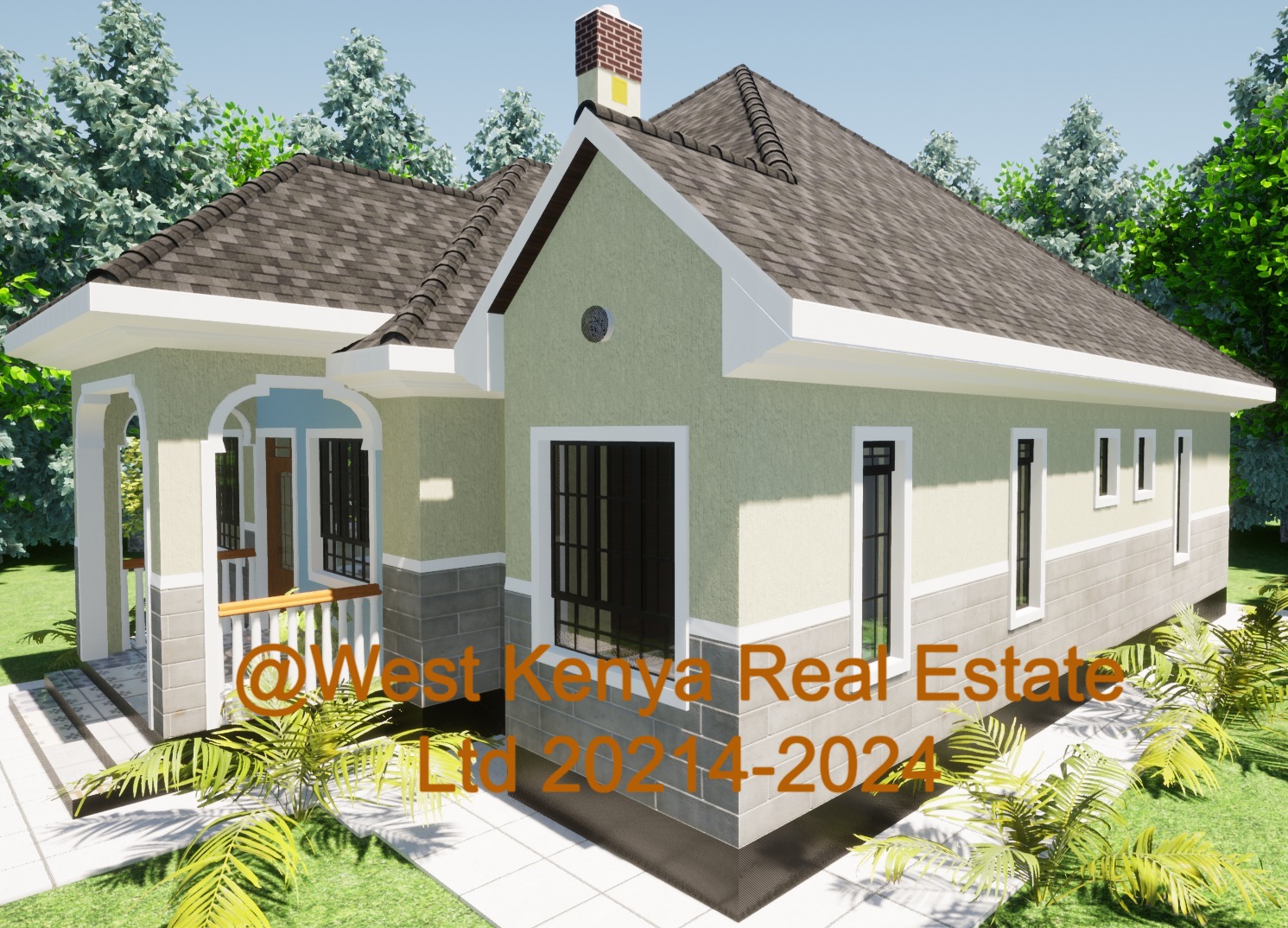
Why Kenyans Prefer Online Plans Over Custom Architect Services
Many homeowners in Kenya now choose online construction plans Kenya over traditional custom architect services due to affordability, speed, and ease of access. Online platforms offer features that reduce reliance on expensive full-time architects while maintaining design quality.
Lower Entry Cost for Pre‑Designed Plans
Pre-designed online house plans are far more affordable than commissioning custom designs from scratch. Homeowners save on:
- Architect consultation and design fees.
- Repeated site visits and revisions.
- Quantity surveyor assessments for initial layouts.
This allows even first-time builders to start projects without large upfront costs.
Freedom to Build in Phases (e.g., Inuua’s Phased “Chap-Chap” Concept)
Online plans support phased construction, which is especially useful for homeowners with limited initial capital. Platforms like Inuua provide guidance on phased builds:
- Start with essential rooms, expand later.
- Manage budget over multiple stages.
- Monitor progress through project management apps.
Transparent Material Costing
Online platforms provide detailed Bills of Quantities (BQ), giving homeowners clear insights into material requirements and costs. Benefits include:
- Accurate budgeting and procurement planning.
- Reduced waste and better contractor negotiations.
- Ability to make informed adjustments before construction begins.
Access to Engineering & Architectural Expertise Without Hiring Full-Time Architect
Even without hiring a full-time architect, online house plans provide professional-grade designs with engineering validation. Homeowners can access:
- Structural, electrical, and plumbing drawings.
- Verified layouts suitable for county approval.
- Guidance on minor plan customisation.
This ensures quality and compliance while keeping costs manageable.

Challenges and Risks When Buying House Plans Online
While buying house plans online offers many benefits, there are also challenges that Kenyan homeowners need to consider. Being aware of these risks helps ensure that projects stay on track, comply with regulations, and avoid costly mistakes.
Ensuring Plans Meet Local/County Building Codes
One of the biggest risks is using plans that don’t comply with local county regulations. Each Kenyan county has specific rules regarding setbacks, plot coverage, and structural standards. Homeowners should verify that online construction plans Kenya include all necessary compliance details. Failure to do so may result in delays or legal issues during permit approval.
Verifying Quality of Design (Structural Integrity, Detail)
Not all online house plans are created equal. Some may lack detailed engineering drawings or structural calculations, which can compromise safety. Homeowners should ensure:
- Plans include structural, plumbing, and electrical drawings.
- Designs are reviewed by qualified professionals or reputable platforms.
- Quality standards match Kenyan building requirements.
Payment & Fraud Risk (How to Mitigate)
Paying for digital plans online introduces the risk of fraud if the platform is not secure. Homeowners should:
- Use platforms with secure payment options, preferably escrow services.
- Verify platform reviews and local presence.
- Avoid sharing unnecessary personal or financial information.
Internal link suggestion: link to “Vetting the Platform — Reviews, Portfolio, Local Presence” for safe platform selection tips.
Revision Limits — What if You Don’t Like What You Bought?
Some online platforms limit revisions or modifications after purchase. Homeowners need to check:
- How many changes are allowed before extra charges apply.
- Whether customisation is included in the plan package.
- Policies on refunds or plan swaps if the design doesn’t meet expectations.
Site-Specific Risks (Soil Type, Slope) — Inuua Cautions About Trial Pits
Even with a well-designed plan, site conditions can affect construction feasibility. Factors like soil type, slope, and drainage need assessment before building. Platforms like Inuua recommend conducting trial pits or soil tests to avoid:
- Structural instability.
- Excessive foundation costs.
- Future maintenance challenges.
How to Safely Buy and Use House Plans Online
Buying and using online house plans safely involves due diligence at every step — from selecting a platform to applying for county approvals. Following best practices helps minimise risks and ensures a smooth construction process.
Vetting the Platform — Reviews, Portfolio, Local Presence
Before purchasing a plan, verify the credibility of the platform. Look for:
- Positive reviews from previous buyers.
- A portfolio of completed projects.
- A physical or local presence in Kenya for accountability.
Choosing a trusted platform reduces fraud risk and ensures access to professional-quality house plan downloads Kenya.
Request Bill of Quantities & Engineering Drawings
Always request a detailed Bill of Quantities (BQ) and full engineering drawings before starting construction. These documents:
- Provide cost transparency and material planning.
- Ensure structural and regulatory compliance.
- Help contractors execute the build accurately.
Confirm Payment Methods & Escrow Options
Use secure payment methods such as escrow or verified digital platforms. This ensures that funds are only released after confirmation of plan delivery or project milestones. Secure payments also:
- Protect against fraud.
- Ensure accountability from the platform.
- Give peace of mind during digital transactions.
Save/Back-Up Digital Files
Always back up downloaded plans to prevent loss due to device failure or accidental deletion. Store files on:
- Cloud storage for accessibility anywhere.
- External hard drives or secure USB devices.
- Multiple file formats if the platform allows (PDF, CAD).
Understand Revision/Customization Policies
Check the platform’s policies on revisions and customisations before purchase. Homeowners should:
- Know how many changes are included.
- Confirm costs for extra modifications.
- Understand procedures if changes are needed post-purchase.
Applying for County Permits Using Online Plans
Finally, ensure the online plan can be submitted for county approvals. Steps include:
- Confirming regulatory compliance for setbacks and plot coverage.
- Submitting engineering and architectural drawings along with the plan.
- Following county guidelines for construction permits to avoid delays.
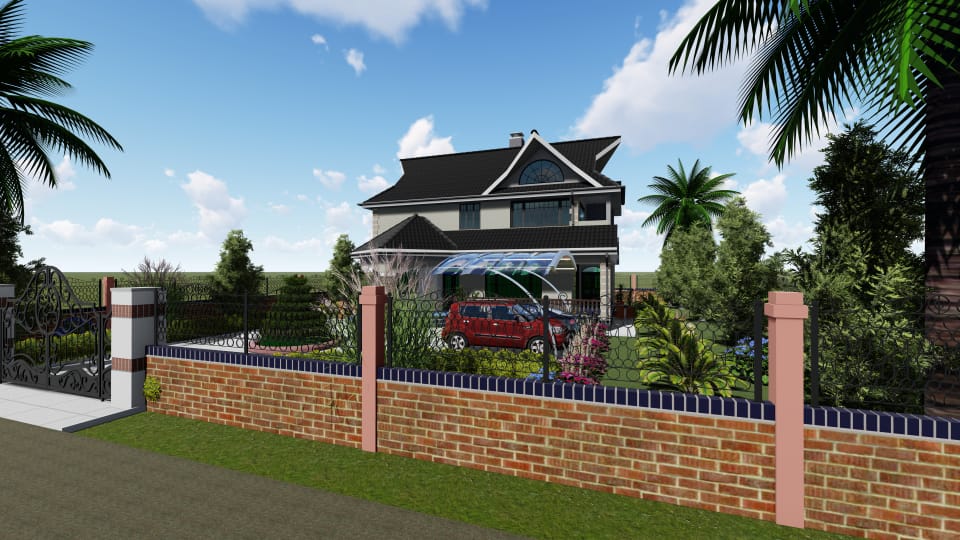
Cost Considerations for Kenyan Home Builders
Understanding cost is critical when deciding to buy house plans online Kenya. While digital plans can save money compared to traditional architects, homeowners must also factor in construction, materials, and phased building strategies to ensure projects stay within budget.
Typical Price Range for Online Plans (Examples: Inuua KSh 20,000)
Online house plans in Kenya vary in price depending on complexity, number of bedrooms, and included engineering details. Platforms like Inuua offer plans starting around KSh 20,000, which often include architectural layouts, structural, plumbing, and electrical drawings. Key points:
- Prices are typically lower than hiring a full-time architect.
- Additional customisation may incur extra fees.
- Buying multiple designs for comparison can improve planning decisions.
Estimating Construction Cost from BQs
Once you have a Bill of Quantities (BQ), it becomes easier to estimate construction costs. Using BQs provided with online construction plans Kenya, homeowners can:
- Calculate material and labour costs accurately.
- Identify high-cost areas to adjust design or materials.
- Plan procurement efficiently to avoid delays and overspending.
Phase-Building to Manage Budget
Phased or “Chap-Chap” building allows homeowners to start with essential parts of the house and expand over time. Benefits include:
- Reducing upfront capital requirements.
- Flexibility to adjust designs or materials as finances allow.
- Better cash-flow management during construction.
Financing Options (Using BQ for Loans)
A detailed BQ can also support financing applications. Banks and microfinance institutions often require a comprehensive cost breakdown before approving home construction loans. Using online house plan downloads Kenya, homeowners can:
- Present clear, itemised costs to lenders.
- Apply for phased financing for larger projects.
- Reduce the risk of loan rejection due to unclear budgets.
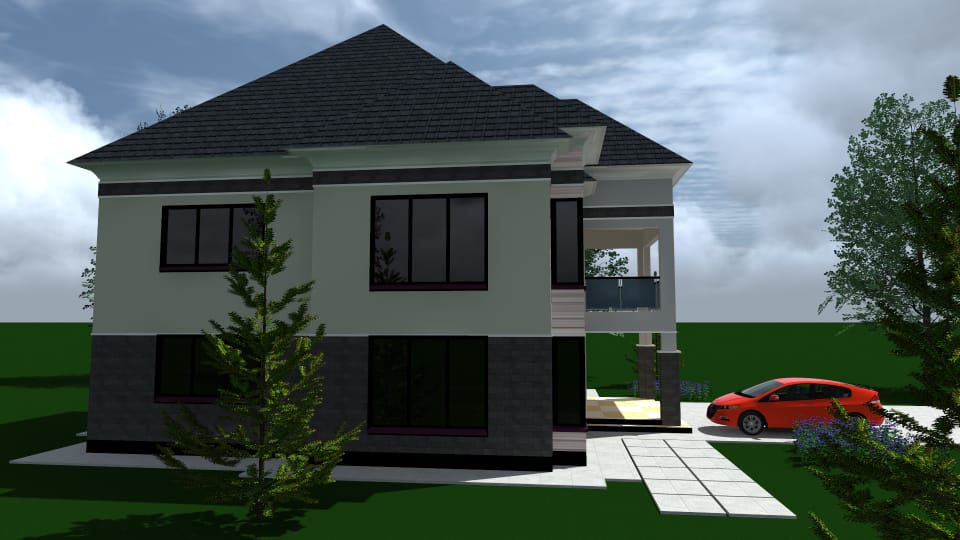
Emerging Trends in Online House Planning (Kenya)
The online house-plan industry in Kenya is evolving rapidly, offering more than just PDFs. Platforms are integrating technology, sustainability, and modular design concepts to improve the homeowner experience.
More Sophisticated App-Based Project Tools
Modern platforms now include app-based project management tools to track materials, labour, and budget in real time. These apps allow homeowners to:
- Monitor daily construction progress.
- Access digital BQs and supplier quotes instantly.
- Share updates and progress photos with contractors or family members.
Integration with Local Suppliers & Contractors
Some platforms now connect homeowners directly with local suppliers and contractors. This integration ensures:
- Easier sourcing of building materials.
- Transparent cost comparisons.
- Faster response times for project issues or changes.
Modular/Prefab Designs
Modular and prefab designs are gaining popularity in Kenya. Homeowners can now:
- Purchase ready-to-assemble components.
- Reduce construction timelines significantly.
- Maintain high-quality standards with standardised modules.
Green/Sustainable Design Options
Eco-friendly designs are increasingly available online. Features include:
- Solar-ready layouts and rainwater harvesting systems.
- Energy-efficient insulation and lighting.
- Sustainable building materials to reduce environmental impact.
AI/Parametric Design for Personalised Plans
Artificial intelligence and parametric design tools are enabling highly personalised home designs. With these technologies, homeowners can:
- Automatically generate floor plans based on plot size and preferences.
- Visualise multiple design iterations in 3D before purchase.
- Optimise space usage and energy efficiency with minimal manual input.
Real User Stories & Case Studies
Hearing from actual homeowners illustrates the benefits and challenges of buying house plans online in Kenya. Real examples help prospective buyers understand how digital platforms work in practice.
Example: Inuua Clients Who Built Using the App
Several homeowners have successfully used Inuua’s platform to plan and execute their builds. Clients report that the combination of downloadable house plans, engineering drawings, and the project management app helped them:
- Track materials, labour, and costs in real time.
- Make informed decisions during phased construction.
- Ensure compliance with county regulations without hiring a full-time architect.
Builders Who Used Plans.co.ke for Their Homes
Other homeowners have relied on Plans.co.ke for Kenyan-specific house plans. They highlight benefits such as:
- Quick access to a variety of pre-designed plans.
- Ready BQs for budgeting and financing.
- Ease of sharing plans with contractors and county officials.
Savings & Challenges They Reported
Users report tangible savings on design and QS fees, faster project approvals, and reduced design errors. However, some challenges include:
- Limited customisation without additional fees.
- Need to verify site-specific requirements like soil type and slope.
- Understanding platform revision policies to avoid misunderstandings.
Conclusion
The trend of buying house plans online Kenya is growing because it combines cost efficiency, accessibility, and professional design quality. Homeowners now have the tools to plan, customise, and manage their builds digitally, all while maintaining compliance with local regulations.
- Online house plans provide savings on architect and QS fees while offering ready-to-use engineering drawings.
- Platforms also integrate project management tools, helping homeowners track budgets, labour, and materials.
- Careful vetting of platforms ensures quality, regulatory compliance, and protection against fraud.
As a next step, prospective homeowners are encouraged to:
- Explore popular online house-plan marketplaces.
- Download sample plans to review layouts and BQs.
- Consult professionals where necessary to ensure site-specific and regulatory compliance.