Discover flat roof house designs in Kenya, including pros, costs, waterproofing tips, and modern design ideas. Learn construction costs, advantages, disadvantages, and expert advice before building your dream home.
Introduction
Flat roof house designs in Kenya have become one of the fastest-growing trends in modern residential architecture, especially in urban and peri-urban areas. From Nairobi to Kisumu, homeowners are increasingly embracing clean, geometric structures that reflect simplicity, elegance, and functionality. This shift is largely driven by modern architectural trends that favor minimalist “box house” designs, which maximize space while maintaining a stylish, contemporary appearance.
Unlike traditional pitched roofs, modern flat roof homes offer a sleek look that blends well with current construction styles seen in new estates and gated communities. Many homeowners are drawn to these designs because they allow for creative use of rooftop space, better integration of solar energy systems, and easier future expansions.
However, interest in flat roof house designs in Kenya is not only about aesthetics. Many people are also evaluating the cost of flat roof houses in Kenya, comparing them with conventional roofing systems, and weighing long-term benefits such as maintenance and durability. While they offer several advantages, they also come with construction considerations like waterproofing and proper drainage that must be carefully planned.
This guide will break down everything you need to know—design options, pros and cons, real construction costs, and expert tips—to help you make an informed decision before building your modern flat roof home in Kenya.

What Is a Flat Roof House Design?
A flat roof house design is a modern style of construction where the roof appears almost level rather than sloped like traditional pitched roofs. In reality, flat roofs are not completely flat. They are carefully engineered with a very slight slope to allow rainwater to drain properly and prevent water from pooling on the surface. This hidden gradient is an important technical detail that ensures durability and reduces the risk of leaks when properly constructed.
In Kenya, there are several common types of flat roof systems used in residential buildings. The first is the concrete slab flat roof, which is the most popular. It involves casting a reinforced concrete slab that forms both the roof and structural ceiling of the house. The second type is the hidden roof design, where a flat exterior finish is created, but a traditional sloped roof is concealed within parapet walls. This gives the appearance of a modern flat roof while improving drainage efficiency. The third type is the mabati concealed roof, which uses iron sheets hidden beneath a flat decorative finish, making it more affordable while maintaining a modern look.
Flat roofs are widely preferred in modern architecture because they create clean lines, maximize usable space, and support contemporary design styles such as box-shaped homes. In urban Kenya, they are especially common due to limited land sizes, rising demand for stylish homes, and the influence of modern construction trends that emphasize simplicity, functionality, and cost efficiency when planned well.
Why Flat Roof Houses Are Becoming Popular in Kenya
Flat roof houses are quickly becoming one of the most preferred modern house designs in Kenya due to their sleek and contemporary appearance. Homeowners are increasingly attracted to the clean lines and minimalist aesthetics that define these structures, often referred to as box house designs. This modern style aligns perfectly with the growing demand for simple yet elegant contemporary homes in Kenya.
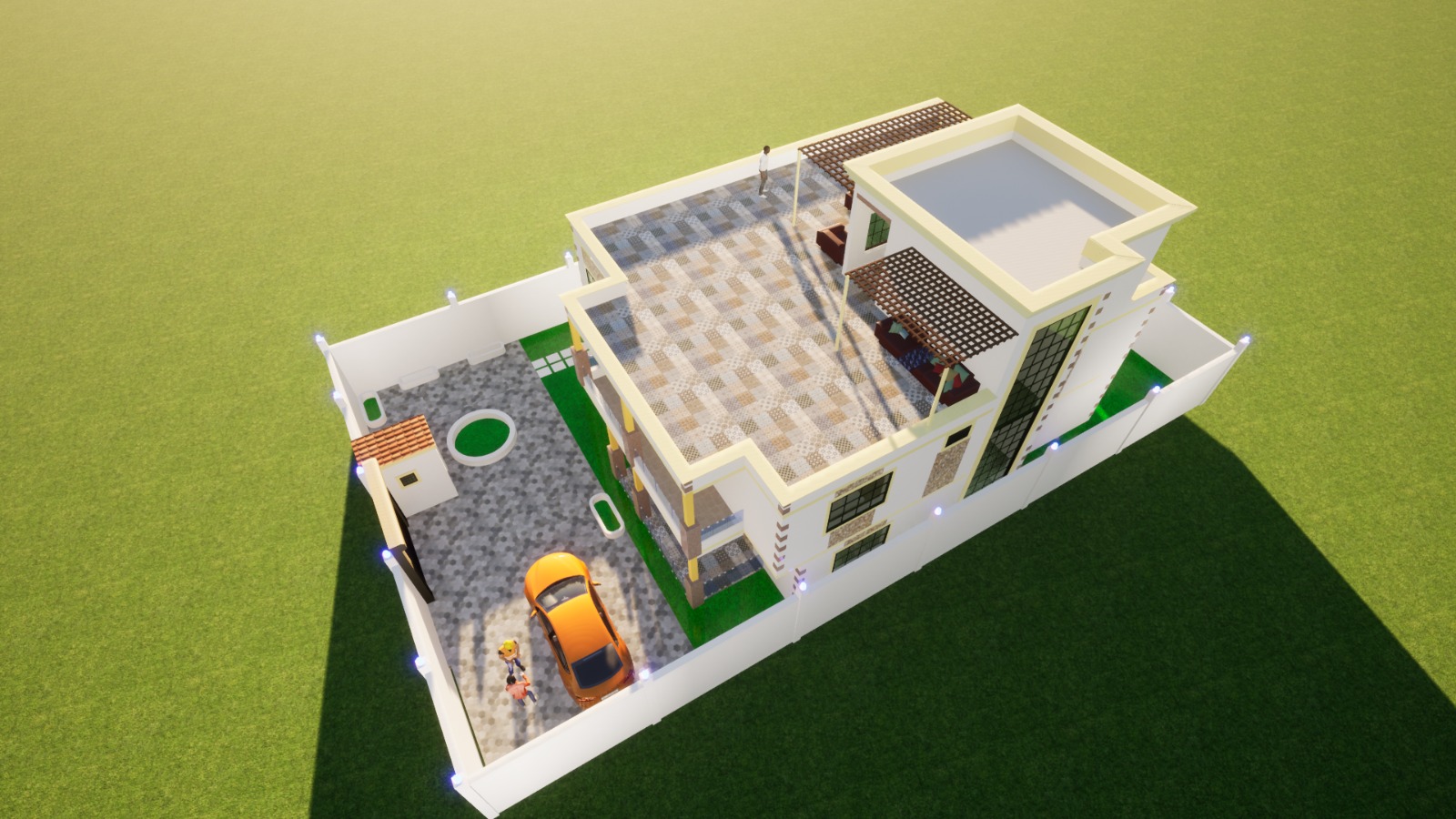
Another major reason for their popularity is the smart use of rooftop space. Unlike traditional roofs, flat roofs can be used for multiple purposes such as rooftop terraces, laundry areas, outdoor relaxation spaces, or even small rooftop gardens. They also provide an ideal platform for installing solar panels, which is becoming more important as energy costs continue to rise in Kenya.
Flat roof designs also make future expansion easier. Homeowners can add another floor or extend existing rooms without major structural changes. This flexibility is especially valuable in urban areas where land is limited and expensive. As a result, modern house designs in Kenya are increasingly focusing on maximizing space efficiency.
In cities like Nairobi, Kisumu, Nakuru, Eldoret, and Kiambu, flat roof homes are becoming more common, especially among middle-class homeowners who want stylish but practical housing solutions. Social media platforms such as Pinterest, Instagram, and YouTube have also played a big role in influencing these modern design trends by showcasing attractive architectural concepts.
Additionally, the rise of hidden roof designs has contributed to this trend. Many homeowners now prefer concealed sloped roofs that still give the illusion of a flat roof while improving drainage and durability.
Overall, the combination of modern style, functionality, and space optimization is making flat roof houses one of the fastest-growing housing trends in Kenya today.
Types of Flat Roof House Designs in Kenya
Flat roof homes in Kenya come in different styles depending on budget, family size, and land availability. Understanding these types helps homeowners choose a design that fits both lifestyle and long-term investment goals.
2 Bedroom Flat Roof Bungalows
These are ideal for small families, young couples, or retirees. They fit well on compact plots of about 40×60 or 50×100. The design is simple, cost-effective, and easy to maintain. Estimated cost ranges from KSh 2M–4M depending on finishes. Key features include an open-plan living area, modern kitchen, and rooftop-ready slab. This is the most affordable flat roof option and a great entry point into modern housing.
3 Bedroom Flat Roof Houses
Perfect for growing families, these homes are popular in both urban and peri-urban areas. They require a medium-sized plot (50×100 or larger). Cost ranges from KSh 3.5M–7M. Key features include en-suite master bedroom, spacious living areas, and potential rooftop utility space. They balance affordability and comfort, making them one of the most commonly built modern house designs in Kenya.
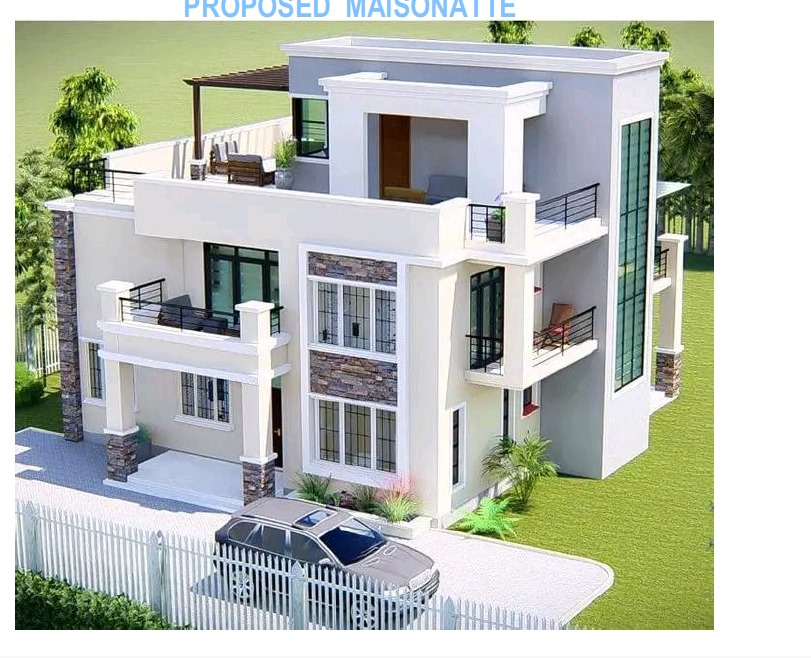
Flat Roof Maisonettes
These are two-storey homes designed for larger families or homeowners maximizing small plots. They typically require at least a 40×80 plot. Costs range from KSh 8M–15M depending on finishes. Key features include multiple bedrooms, balconies, and rooftop access. Maisonettes offer high resale value, especially in urban estates due to their efficient land use and modern appeal.
Luxury Flat Roof Villas
These are high-end homes designed for spacious plots and premium living. They feature large rooms, expansive glass designs, and rooftop terraces. Costs start from KSh 15M and can go much higher. Ideal for upscale neighborhoods in Nairobi, Kiambu, and Nakuru. They offer the best resale value and strong investment potential due to their luxury appeal and architectural uniqueness.
Hidden Roof Designs
Hidden roof houses combine the modern flat roof look with a concealed sloped roof for better drainage. They are suitable for almost any plot size and family type. Costs range from KSh 3M–10M depending on design complexity. Key features include improved waterproofing, reduced leakage risk, and a clean modern exterior. This option is ideal for homeowners who want a flat roof appearance with added durability.
Pros of Flat Roof House Designs in Kenya
Flat roof houses have become a preferred choice for many homeowners in Kenya due to their practicality, modern appeal, and efficient use of space. Beyond aesthetics, they offer several functional benefits that make them ideal for both urban and suburban living.
Modern and Luxurious Appearance
One of the biggest advantages of flat roof homes is their sleek, contemporary look. They are commonly associated with modern house designs in Kenya, giving homes a stylish, high-end feel even on a modest budget. The clean box-like structure blends well with current architectural trends in estates across Nairobi, Kiambu, and Nakuru.
Easier Solar Panel Installation
Flat roofs provide an ideal surface for solar panel installation since panels can be positioned at optimal angles without complex mounting structures. With rising electricity costs in Kenya, this makes them a practical long-term energy solution.
Extra Rooftop Space
Unlike pitched roofs, flat roofs create usable space that can be transformed into rooftop terraces, outdoor lounges, or entertainment areas. Many homeowners in urban areas use this space for evening relaxation or family gatherings.
Easier Future Expansion
Flat roof designs make it easier to add another floor or extend rooms in the future without major structural changes. This flexibility is especially valuable for growing families.
Potentially Lower Roofing Costs
In some cases, flat roofs may reduce roofing material costs since they eliminate the need for complex trusses and tiles. However, quality waterproofing remains essential.
Better Space Utilization on Small Plots
On limited urban plots, flat roof designs maximize usable space both vertically and horizontally, making them ideal for compact land sizes in cities like Nairobi and Eldoret.
Easier Installation of Water Tanks and HVAC
Flat roofs provide a stable platform for placing water tanks, satellite dishes, and HVAC systems without affecting the external design of the house.
Real Kenyan Examples
Many homeowners now use flat roofs creatively. Common examples include rooftop sitting areas for evening relaxation, outdoor laundry drying spaces, and elevated water tank installations that save ground space. In some urban homes, rooftop terraces are even designed as small garden or BBQ areas.
Overall, the benefits of flat roof houses make them a practical and stylish option for modern Kenyan homeowners looking for functionality, affordability, and long-term flexibility in their home design.
Cons of Flat Roof Houses in Kenya
While flat roof houses are popular for their modern appearance and functionality, they also come with several challenges that homeowners in Kenya must carefully consider before construction. Understanding these disadvantages helps avoid costly mistakes and long-term maintenance issues.
Drainage Problems
One of the main challenges of flat roofs is water drainage. Because the surface is nearly level, rainwater does not flow off as easily as it does on pitched roofs. Without proper slope design and drainage systems, water can pool on the roof, increasing the risk of damage over time.
Higher Waterproofing Requirements
Flat roofs require high-quality waterproofing systems to prevent water penetration. This includes membranes, coatings, or torch-on systems. Poor waterproofing is one of the leading causes of roof failure in many Kenyan homes.
Leakages if Poorly Constructed
Leakages are a common issue when flat roofs are not properly designed or built by experienced professionals. Even small construction errors during slab casting or sealing can lead to long-term water seepage problems.
Heat Absorption During Hot Seasons
Flat concrete roofs tend to absorb and retain more heat, especially in hot regions. This can make indoor spaces warmer during the day, increasing the need for proper insulation or cooling solutions.
Higher Structural Costs for Concrete Slabs
Unlike pitched roofs, flat roofs require reinforced concrete slabs, which can increase structural costs. This includes more steel reinforcement, formwork, and engineering supervision.
Frequent Maintenance if Poorly Designed
Flat roofs need regular inspection and maintenance to ensure waterproofing layers remain effective. Neglecting maintenance can lead to deterioration, especially after heavy rains.
Risk During Heavy Rainfall Regions
In high rainfall areas such as Kisumu, Kakamega, Kisii, and other parts of Western Kenya, flat roofs face greater stress due to continuous rainfall. If drainage systems are not well designed, water accumulation can become a serious issue.
Importance of Professional Waterproofing
The success of a flat roof heavily depends on proper waterproofing. Using low-quality materials or unskilled labor often leads to failures that are expensive to repair. Professional installation is essential to ensure long-term durability.
Why Poor Workmanship Causes Most Failures
Most problems associated with flat roofs in Kenya are not due to the design itself, but poor workmanship. Incorrect slope formation, weak slab casting, and improper sealing are the main causes of leaks and structural issues.
Cost of Building a Flat Roof House in Kenya
Understanding the cost of building a flat roof house in Kenya is essential for proper planning and budgeting. Unlike pitched roofs, flat roofs involve reinforced concrete slabs and advanced waterproofing systems, which significantly influence the overall construction cost. The final price depends on design complexity, finishes, location, and workmanship quality.
Cost Per Square Metre
The cost of constructing a flat roof house is often calculated per square metre. Below is a general breakdown based on common construction standards in Kenya:
| Finish Level | Estimated Cost Per m² |
| Basic | KSh 35,000 – 50,000 |
| Mid-range | KSh 50,000 – 75,000 |
| High-end | KSh 75,000 – 120,000+ |
Basic finishes are suitable for budget-conscious homeowners, while mid-range and high-end finishes include better fittings, modern designs, and improved durability. The inclusion of flat roof slab construction and waterproofing slightly increases costs compared to traditional roofing systems.
Estimated Cost by House Type
The total cost varies depending on the size and type of house being built:
| House Type | Estimated Cost |
| 2 Bedroom Flat Roof House | KSh 2M – 4M |
| 3 Bedroom Flat Roof Bungalow | KSh 3.5M – 7M |
| 4 Bedroom Maisonette | KSh 8M – 15M |
| Luxury Flat Roof Villa | KSh 15M+ |
Smaller homes are more affordable and suitable for first-time homeowners, while maisonettes and villas require higher investment but offer better long-term value and resale potential.
Factors Affecting Cost
Several key factors influence the final cost of a flat roof house in Kenya:
- Roof slab thickness – Thicker reinforced slabs require more cement, steel, and formwork.
- Waterproofing quality – High-quality membranes and coatings increase durability but add to cost.
- Structural engineering – Proper design and supervision ensure safety and compliance.
- Labour costs – Skilled labour for slab casting and finishing is more expensive.
- Finishes – Tiles, fittings, ceilings, and paint quality greatly affect the budget.
- County approvals – Building permits and approvals vary by county.
- Location – Urban areas like Nairobi generally have higher construction costs than rural areas.
Hidden Costs Homeowners Often Ignore
Many homeowners underestimate additional costs such as site preparation, soil testing, drainage systems, waterproofing repairs, and supervision fees. These can significantly affect the overall budget if not planned early.
Flat Roof vs Pitched Roof in Kenya
When choosing a roofing system in Kenya, most homeowners compare flat roof and pitched roof designs. Each option has its own advantages and limitations depending on budget, location, and intended use of the house.
Comparison Table
| Feature | Flat Roof | Pitched Roof |
| Appearance | Modern | Traditional |
| Construction Cost | Moderate to High | Moderate |
| Maintenance | Higher | Lower |
| Rainwater Drainage | More sensitive | Easier |
| Rooftop Usage | Excellent | Limited |
| Future Expansion | Easier | Harder |
Which Roof Suits Urban Homes?
Flat roofs are best suited for urban homes, especially in cities like Nairobi, Kiambu, and Nakuru where land is limited and modern architectural styles are preferred. They allow homeowners to maximize space, create rooftop terraces, and support solar panel installation. Their clean “box house” design also aligns with modern house designs in Kenya, making them highly attractive in urban estates.
Which Suits Rural or High Rainfall Areas?
Pitched roofs are generally better suited for rural areas and regions with heavy rainfall. Areas such as Kisumu, Kakamega, and Kisii experience frequent and heavy rains, making efficient water drainage essential. Pitched roofs naturally allow rainwater to flow off quickly, reducing the risk of leaks and structural damage.
Which Is Cheaper Long Term?
While pitched roofs may have lower maintenance costs over time, flat roofs can offer better long-term value if properly constructed and maintained. Flat roofs allow future expansion and rooftop usage, which can increase property value. However, they may require more maintenance and waterproofing investment compared to pitched roofs.
Best Roofing and Waterproofing Materials for Flat Roofs
Choosing the right roofing and waterproofing materials is critical for the performance and durability of flat roof houses in Kenya. Since flat roofs are more exposed to water retention and heat, the quality of materials used directly determines how long the structure will last and how much maintenance it will require.
Reinforced Concrete Slabs
This is the most common structural base for flat roofs in Kenya. It provides strength, durability, and support for multi-storey buildings. When properly designed with steel reinforcement and correct curing, it can last over 30–50 years. However, it must always be paired with effective waterproofing.
EPDM Membranes
EPDM (rubber-like roofing membrane) is highly durable and flexible. It is one of the most reliable waterproofing options, with a lifespan of 25–40 years. It is resistant to UV rays and temperature changes, making it ideal for long-term performance, though it is relatively more expensive.
Torch-On Waterproofing
This is one of the most commonly used systems in Kenya. It involves heating bitumen sheets and bonding them to the roof surface. It is moderately affordable and provides good protection, with a lifespan of about 10–20 years depending on maintenance.
Liquid Waterproofing Systems
These are applied as coatings that form a seamless waterproof layer. They are easy to apply and ideal for repairs or smaller roofs. Lifespan ranges from 8–15 years, making them a more affordable but less durable option.
Hidden Mabati Roof Systems
These combine a concealed sloped mabati roof with a flat external finish. They offer improved drainage and reduced leakage risk while maintaining a modern look. Lifespan varies between 20–30 years depending on material quality.
Most Durable vs Most Affordable
EPDM membranes and well-designed concrete slabs are the most durable options, while liquid waterproofing systems are the most affordable short-term solution.
Importance of Proper Drainage Slopes
Regardless of the material used, proper drainage slope design is essential. Without it, water pooling can damage even the best waterproofing systems over time, leading to leaks and structural deterioration.
Common Mistakes Homeowners Make With Flat Roof Houses
Flat roof houses can be beautiful, functional, and durable when properly constructed. However, many homeowners in Kenya make costly mistakes during design and construction that later lead to leaks, structural issues, and expensive repairs.
One of the biggest mistakes is hiring unqualified contractors to reduce costs. Flat roofs require precise workmanship, especially during slab casting, waterproofing, and drainage installation. Poorly trained fundis often overlook critical technical details that affect long-term performance.
Another common problem is poor drainage planning. Many homeowners assume a flat roof should be completely level, which leads to water stagnation during heavy rains. Without proper slope design and drainage outlets, water accumulates on the roof and increases leakage risk.
Using cheap waterproofing materials is another major mistake. Some homeowners focus only on reducing initial construction costs and end up using low-quality membranes or coatings that fail after a short time. Waterproofing should be treated as a long-term investment, not an area to cut corners.
Many projects also suffer from ignoring structural engineering requirements. Flat roofs carry significant weight due to concrete slabs, water tanks, and possible future expansion. Without proper structural calculations, the building may develop cracks or safety concerns over time.
Other common mistakes include:
- Skipping regular maintenance
- Using poor-quality construction materials
- Failing to supervise workmanship
- Copying Pinterest or social media designs without adapting them to Kenyan climate conditions
While online inspiration is useful, many international designs are not suitable for areas with heavy rainfall or high temperatures unless modified professionally.
Flat roofs require experienced architects, engineers, and contractors because even small technical errors can cause serious long-term problems. Proper planning, quality materials, and skilled workmanship are what separate durable flat roof homes from those that quickly develop maintenance issues.
Are Flat Roof Houses Suitable for Kenya’s Climate?
Flat roof houses can perform very well in Kenya’s climate when they are properly designed, constructed, and maintained. However, their success largely depends on regional weather conditions, drainage planning, and the quality of workmanship used during construction.
In hot regions such as Nairobi, Kajiado, and parts of Eastern Kenya, flat roofs are popular because they complement modern architecture and support solar panel installation. However, concrete flat roofs can absorb and retain heat during the day, making indoor spaces warmer if proper insulation and ventilation are not included.
In rainy regions like Kisumu, Kakamega, Kisii, and other parts of Western Kenya, flat roofs require extra attention to waterproofing and drainage systems. Heavy rainfall can quickly expose weaknesses in slope design or waterproofing layers, leading to leaks if construction standards are poor.
Coastal regions such as Mombasa and Kilifi also present unique challenges due to humidity, salt exposure, and strong sunlight. In these areas, corrosion-resistant materials and high-quality waterproofing systems are especially important for long-term durability.
Flat roofs generally perform well against wind because they have lower wind resistance compared to tall pitched roofs. This makes them suitable for areas that occasionally experience strong winds.
One of the most important factors in all regions is proper drainage planning. Even a small design mistake can allow water to collect on the roof surface and cause structural damage over time.
Overall, flat roofs are suitable for Kenya’s climate, but they are not “maintenance-free.” Their performance depends heavily on professional design, proper waterproofing, quality materials, and regular inspection after construction.
Tips for Building a Successful Flat Roof House in Kenya
Building a successful flat roof house in Kenya requires careful planning, skilled professionals, and a strong focus on quality construction. While flat roof homes offer a modern and elegant appearance, their long-term durability depends on proper execution from the beginning.
One of the most important steps is to hire registered architects and structural engineers. These professionals help ensure the house is properly designed, structurally safe, and compliant with county regulations. Flat roofs require accurate structural calculations because reinforced concrete slabs carry significant weight.
Homeowners should also invest in high-quality waterproofing systems. Waterproofing is one of the most critical parts of flat roof construction, especially in regions that experience heavy rainfall. Using cheap materials often leads to expensive repairs later.
Proper slope design is equally important. Although flat roofs appear level, they must include slight gradients that direct water toward drainage outlets. Without this, water can stagnate and damage the roof over time.
It is also essential to use quality construction materials, including cement, steel reinforcement, waterproof membranes, and drainage pipes. Poor materials reduce the lifespan of the roof and increase maintenance costs.
Another important factor is regular maintenance. Homeowners should inspect roofs periodically for cracks, blocked drainage outlets, or damaged waterproofing layers.
Careful drainage planning should be part of the design process from the start. This includes proper placement of gutters, downpipes, and water outlets.
Additionally, homeowners should budget for long-term maintenance rather than focusing only on initial construction costs.
Why Supervision Matters During Slab Casting
Supervision during slab casting is extremely important because mistakes made at this stage are difficult and expensive to correct later. Proper concrete mixing, reinforcement placement, curing, and finishing directly affect the strength, waterproofing performance, and durability of the flat roof.
Conclusion: Should You Build a Flat Roof House in Kenya?
Flat roof houses have become one of the most popular modern housing styles in Kenya due to their clean architectural appearance, efficient use of space, and flexibility in design. Their sleek and minimalist look makes them highly attractive for homeowners seeking contemporary homes that stand out in urban and peri-urban areas.
These homes are especially suitable for urban living because they maximize limited land space and support modern lifestyle features such as rooftop terraces, solar panel installation, outdoor relaxation areas, and future vertical expansion. For growing families or homeowners planning long-term property development, flat roofs provide excellent flexibility and functional advantages.
However, flat roof houses also require careful planning and professional execution. Proper waterproofing, drainage design, and structural engineering are essential to avoid leaks, water damage, and expensive maintenance issues. Homeowners must also understand that construction costs can vary significantly depending on the size of the house, roof complexity, location, finishes, and quality of materials used.
While flat roof homes may require higher initial investment in waterproofing and slab construction, they can deliver strong long-term value when properly maintained. The key difference between a durable flat roof and a problematic one is usually the quality of workmanship and supervision during construction.
Ultimately, a flat roof house can be one of the best modern investments in Kenya when designed and built professionally. With the right team, quality materials, and proper maintenance, homeowners can enjoy a stylish, functional, and long-lasting home that meets both modern lifestyle needs and future property goals.