Explore stunning Swahili house designs in Kenya inspired by coastal architecture, Lamu-style homes, and modern tropical living. Discover design features, building costs, materials, interior ideas, and the best coastal locations for stylish and sustainable homes.
Swahili house designs in Kenya are among the most unique and timeless architectural styles inspired by the rich cultural heritage of the East African coast. These homes combine traditional African craftsmanship with Arab, Persian, and Islamic influences that have shaped coastal towns for centuries. Characterized by spacious verandas, carved wooden doors, open courtyards, and natural ventilation, Swahili homes are designed to provide comfort in hot tropical climates while maintaining elegance and cultural identity.
Today, coastal house designs Kenya homeowners admire are becoming increasingly popular not only in coastal towns but also in urban and rural areas across the country. Many people are embracing these designs because they blend beauty, luxury, and functionality. The influence of coastal culture, warm weather conditions, and historical architecture from places like Lamu, Mombasa, Malindi, Watamu, and Kilifi continues to inspire both homeowners and architects.
Modern Swahili homes now incorporate contemporary finishes, large glass windows, modern roofing systems, and open-plan interiors while still preserving the charm of traditional Kenyan coastal architecture. From luxury beachfront villas to affordable Lamu style houses, these designs offer a perfect balance between tradition and modern living, making them ideal for homeowners seeking stylish, climate-friendly, and culturally inspired homes in Kenya.
What Is Swahili Architecture?
Swahili architecture is a distinctive building style that originated along the East African coast, particularly in coastal regions stretching from southern Somalia to Kenya, Tanzania, and parts of Mozambique. In Kenya, this architectural style is strongly associated with historic coastal towns such as Lamu, Mombasa, Malindi, and Kilifi. The design evolved over centuries through trade and cultural interaction between African communities and Arab, Persian, and Indian merchants who settled along the coast.
The result was a unique architectural identity that blended local African building traditions with Islamic and Asian influences. Traditional coastal settlements were carefully planned to suit the tropical climate, social lifestyle, and cultural values of Swahili communities. Homes were often built close together with narrow streets that provided shade and improved airflow within the settlements.
One of the defining features of Swahili architecture is its climate-responsive design. Before the introduction of modern cooling systems, Swahili homes were naturally designed to remain cool even during hot coastal weather. Thick coral stone walls helped regulate indoor temperatures, while open courtyards improved air circulation and created private family spaces. Large verandas provided shaded outdoor living areas, and high ceilings enhanced natural ventilation throughout the home.
Another iconic feature is the beautifully carved wooden doors that symbolize craftsmanship, wealth, and cultural identity. These doors often contain intricate patterns inspired by Islamic and Swahili art traditions. Today, Swahili house designs remain timeless because they combine beauty, functionality, sustainability, and cultural heritage. Modern architects continue to adapt these traditional concepts into contemporary homes, making Kenyan coastal architecture one of the most admired design styles in East Africa.
Key Features of Swahili House Designs in Kenya
Swahili house designs in Kenya are admired for their ability to combine beauty, cultural heritage, and practical climate-responsive living. Every architectural element serves both a functional and aesthetic purpose, making these homes ideal for tropical coastal environments. From spacious verandas to coral stone walls, traditional Swahili features were carefully designed to improve comfort, airflow, and social living while preserving the elegance of Kenyan coastal architecture.
Large Verandas and Barazas
Large verandas and barazas are among the most recognizable features of Swahili homes. A baraza is a raised seating area usually built outside the house entrance where guests and neighbors gather for conversations and relaxation. These shaded outdoor spaces reduce direct sunlight entering the house while promoting airflow around the building. Verandas also create comfortable transition areas between indoor and outdoor spaces, making homes cooler during hot coastal afternoons. Beyond functionality, barazas symbolize hospitality and strong community culture in traditional Swahili settlements.
Open Courtyard Layouts
Traditional Swahili homes are commonly built around open internal courtyards that act as private family spaces. These courtyards improve cross ventilation by allowing fresh air to circulate naturally throughout the house. During the day, hot air rises and escapes through the open center, helping maintain cooler indoor temperatures without relying heavily on mechanical cooling systems. Courtyards also provide natural lighting, privacy, and peaceful outdoor relaxation areas. In many homes, they serve as social gathering spaces that strengthen family interaction and cultural traditions.
High Ceilings for Ventilation
High ceilings are a practical design solution commonly used in Swahili architecture to regulate indoor temperatures. Since hot air naturally rises, taller ceilings allow heat to move upward and away from occupied living areas, creating a cooler and more comfortable environment. This feature is especially important in Kenya’s coastal climate where temperatures can remain high throughout the year. High ceilings also improve airflow when combined with large windows and open layouts. Visually, they create a sense of openness, elegance, and luxury within modern Swahili homes.

Carved Wooden Doors and Arches
Beautifully carved wooden doors are one of the most iconic elements of Swahili house designs in Kenya. These handcrafted doors often feature intricate floral, geometric, and Islamic-inspired patterns that represent status, craftsmanship, and cultural identity. Decorative arches are also widely used to soften interior spaces and add elegance to hallways, verandas, and entrances. Besides their artistic value, thick hardwood doors provide durability and protection against harsh coastal weather. Today, many modern Swahili homes continue incorporating these traditional details to preserve authenticity and timeless architectural charm.
Lime Plaster and Coral Stone Finishes
Traditional Swahili homes often use coral stone walls coated with lime plaster finishes. Coral stone is naturally available along the coast and provides excellent insulation against heat. Thick walls help keep interiors cool during the day while maintaining warmth at night. Lime plaster adds durability and creates the smooth white finishes commonly associated with coastal architecture. These materials are also environmentally friendly and blend naturally with the surrounding landscape. Their earthy textures and neutral tones give Swahili homes a calm, elegant, and timeless aesthetic appeal.
Indoor-Outdoor Living Spaces
Swahili architecture strongly emphasizes indoor-outdoor living to maximize comfort in tropical climates. Large windows, folding doors, terraces, and shaded sitting areas help connect interior spaces with gardens, courtyards, and ocean views. This design approach improves natural airflow and reduces heat buildup inside the house. It also encourages a relaxed lifestyle centered around nature and outdoor social living. Modern coastal housedesigns in Kenya continue adopting these concepts because they create bright, airy, and luxurious spaces that perfectly suit contemporary tropical living.
Why Swahili Coastal House Designs Are Ideal for Kenya’s Climate
Swahili coastal house designs are perfectly suited for Kenya’s warm tropical climate because they prioritize natural cooling, airflow, and sustainable living. Unlike conventional modern homes that often trap heat indoors, Swahili architecture uses climate-responsive design techniques that help maintain comfortable indoor temperatures throughout the year. This makes these homes highly practical for coastal regions such as Mombasa, Lamu, Kilifi, and Watamu, where temperatures and humidity levels can be consistently high.
One of the biggest advantages of Swahili house designs is cross ventilation. Large windows, open courtyards, wide doorways, and strategically positioned openings allow cool ocean breezes to flow naturally through the house. This constant movement of air reduces heat buildup indoors and creates a naturally refreshing environment. Traditional Lamu homes are well known for their thick coral stone walls and open layouts that keep interiors cool even during extremely hot afternoons.
Shaded outdoor living spaces such as verandas, terraces, and barazas also play a major role in regulating temperatures. These covered spaces reduce direct sunlight entering the home while providing relaxing outdoor areas for socializing and resting. Many modern Kilifi villas and Watamu coastal residences continue using these traditional concepts to improve comfort and energy efficiency.
Because Swahili homes rely heavily on passive cooling techniques, homeowners reduce their dependence on air conditioning and electric fans. This lowers energy consumption and electricity costs while supporting environmentally friendly living. The use of locally available materials such as coral stone, timber, lime plaster, and natural roofing solutions further enhances sustainability.
Today, modern Swahili homes are increasingly popular among homeowners seeking climate-friendly house designs in Kenya that combine luxury, cultural heritage, and long-term energy efficiency.
Popular Types of Swahili House Designs in Kenya
Swahili house designs in Kenya come in different styles that cater to various budgets, lifestyles, and locations. From traditional Lamu homes to modern luxury villas and affordable coastal bungalows, these designs continue evolving while preserving the beauty of Kenyan coastal architecture. Understanding the different types helps homeowners choose a style that matches their needs, climate, and investment goals.
Traditional Lamu Houses
Traditional Lamu houses are among the oldest and most culturally rich forms of Swahili architecture in Kenya. These homes are commonly found in Lamu Old Town and feature coral stone walls, open courtyards, high ceilings, carved wooden doors, and narrow shaded verandas. Their design focuses heavily on natural ventilation and privacy while maintaining strong cultural identity. Traditional Lamu homes are ideal for homeowners who appreciate heritage architecture and authentic coastal living. They are best suited for historical coastal towns such as Lamu and Old Mombasa. While restoration and craftsmanship can increase costs, smaller traditional homes can still be relatively affordable compared to modern luxury villas.
Modern Swahili Villas
Modern Swahili villas combine traditional coastal design elements with contemporary architecture and luxury finishes. These homes often include large glass windows, open-plan interiors, swimming pools, rooftop terraces, and modern kitchens while still preserving features like arches, courtyards, and natural stone finishes. Modern Swahili villas are popular in Kilifi, Diani, Watamu, and Malindi where homeowners want elegant tropical residences with modern comfort. They are ideal for upper-middle-income families, holiday homeowners, and diaspora investors. Construction costs vary depending on size, location, and imported finishes, but these villas generally fall within the medium to high-end residential market.
Luxury Beachfront Homes
Luxury beachfront Swahili homes are designed for premium coastal living and are commonly located along Kenya’s most exclusive beach destinations such as Watamu, Vipingo, Diani, and Malindi. These homes typically feature expansive ocean-facing terraces, infinity pools, private courtyards, landscaped gardens, and high-end tropical interiors. Architects often combine traditional Swahili aesthetics with resort-style luxury to create visually stunning properties. These homes are ideal for wealthy homeowners, investors, boutique resorts, and Airbnb businesses targeting luxury tourism. Due to beachfront land prices, premium materials, and advanced construction requirements, luxury coastal homes require significant investment and are among the most expensive Swahili house styles in Kenya.
Small Coastal Bungalows
Small coastal bungalows offer a more affordable approach to Swahili-inspired living. These compact homes usually include simple verandas, open living spaces, natural ventilation, and modest coastal finishes that maintain the relaxed tropical feel of Swahili architecture. They are ideal for small families, retirees, holiday cottages, and first-time homeowners looking for affordable coastal house designs in Kenya. Coastal bungalows are becoming increasingly popular in developing areas around Kilifi, Malindi, and parts of Kwale County due to lower construction costs and manageable maintenance expenses. Despite their smaller size, these homes still provide comfort, energy efficiency, and attractive coastal aesthetics.
Contemporary Swahili-Bauhaus Homes
Contemporary Swahili-Bauhaus homes blend minimalist modern architecture with traditional Swahili design concepts. These homes emphasize clean lines, functional layouts, large open spaces, and natural lighting while incorporating features such as courtyards, shaded terraces, textured stone finishes, and wooden accents. The result is a sophisticated fusion of modern simplicity and coastal heritage. This style is increasingly popular among younger homeowners, architects, and luxury developers seeking unique modern homes with cultural character. Contemporary Swahili-Bauhaus houses are commonly found in upscale developments in Nairobi, Kilifi, and Vipingo. Costs vary depending on customization, but they generally appeal to mid-range and high-end homeowners looking for stylish yet climate-friendly homes.
Best Materials Used in Swahili Coastal Homes
The beauty and durability of Swahili coastal homes largely depend on the materials used during construction. Traditional Swahili architecture was carefully designed to withstand the hot, humid, and salty conditions of Kenya’s coastal climate while maintaining natural beauty and comfort. Many of these materials are locally sourced, environmentally friendly, and highly effective in regulating indoor temperatures.
One of the most common materials is coral stone, widely used along the Kenyan coast for wall construction. Coral stone walls are thick and highly durable, helping keep interiors cool during the day while resisting heat absorption. They also perform well in salty coastal environments and give homes the timeless textured appearance associated with Swahili architecture.
Mangrove poles are another traditional material used for roofing support and ceiling structures. These poles are valued for their strength, flexibility, and resistance to coastal weather conditions. Hardwood timber is also extensively used for carved doors, windows, beams, and decorative finishes because of its durability and resistance to termites and moisture.
Lime plaster is traditionally applied over coral stone walls to create smooth, breathable finishes that reduce heat buildup and improve indoor comfort. Makuti roofing, made from woven coconut palm leaves, remains popular for verandas, gazebos, and beach cottages because it provides excellent insulation and creates a relaxed tropical appearance. Natural stone flooring is commonly used to maintain cool indoor temperatures while enhancing the elegant coastal aesthetic.
Modern Swahili homes now combine these traditional materials with contemporary alternatives such as reinforced concrete for structural stability, aluminum windows for corrosion resistance, and modern waterproof finishes for improved durability. These modern upgrades help homeowners preserve the beauty of Kenyan coastal architecture while meeting current construction standards and long-term maintenance needs.
Modern Swahili Interior Design Ideas
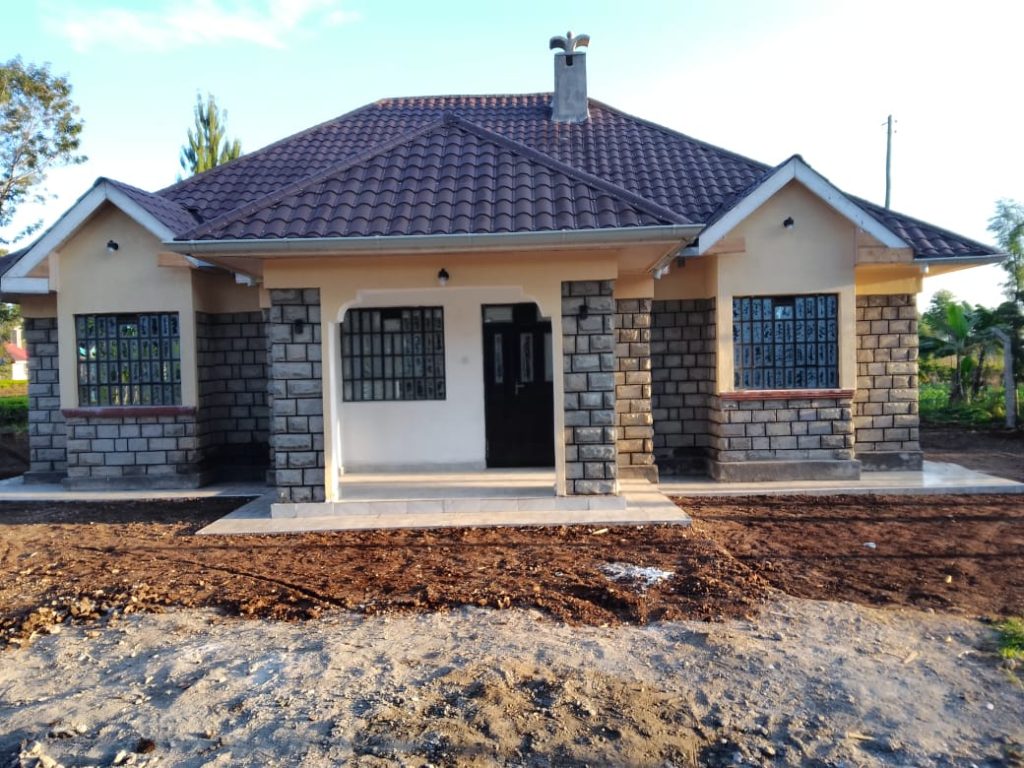
Modern Swahili interior design combines the warmth of traditional coastal living with contemporary elegance and comfort. Inspired by Kenya’s coastal culture, these interiors focus on natural textures, open spaces, calming colors, and handcrafted details that create a relaxed tropical atmosphere. Today, many homeowners are blending modern luxury with traditional Swahili elements to achieve timeless and stylish living spaces.
Neutral Coastal Color Palettes
Neutral color palettes are a major feature of modern Swahili interiors. Shades such as white, beige, sand, cream, soft brown, and light grey help create bright and airy spaces that reflect the calmness of the coast. These colors also enhance natural lighting and make rooms feel larger and cooler. Homeowners often combine neutral walls with ocean-inspired accents like turquoise, navy blue, or earthy terracotta tones to add warmth and character without overwhelming the space.
Handcrafted Wooden Furniture
Handcrafted wooden furniture adds authenticity and cultural richness to Swahili-inspired interiors. Pieces made from mahogany, teak, mango wood, or coconut wood are commonly used because they are durable and visually elegant. Carved coffee tables, wooden daybeds, woven chairs, and traditional Swahili beds create a luxurious coastal feel while preserving local craftsmanship. Mixing handcrafted furniture with modern sofas and contemporary lighting helps homeowners balance tradition and modern comfort beautifully.
Natural Lighting Concepts
Natural lighting is essential in Swahili interior design because it enhances openness and improves ventilation. Large windows, sliding glass doors, skylights, and open-plan layouts allow sunlight to flow freely throughout the home. Light curtains and reflective surfaces further brighten interior spaces while reducing the need for artificial lighting during the day. This approach not only improves energy efficiency but also creates a peaceful and inviting atmosphere ideal for tropical living.
Minimalist Coastal Décor
Modern Swahili homes often embrace minimalist coastal décor to avoid clutter and maintain a clean, relaxing environment. Simple woven rugs, textured cushions, hanging lanterns, handmade baskets, and subtle coastal artwork are commonly used to decorate spaces without overwhelming them. Affordable styling options such as sisal mats, woven lampshades, and locally crafted accessories can still achieve an elegant coastal look while keeping interior costs manageable for homeowners.
Indoor Plants and Tropical Styling
Indoor plants play a significant role in creating fresh and vibrant Swahili-inspired interiors. Tropical plants such as palms, monstera, snake plants, and bamboo help soften modern spaces while improving air quality and connecting interiors with nature. Combined with open-plan living spaces and indoor-outdoor transitions, tropical styling creates a relaxing resort-like atmosphere that perfectly reflects the beauty of Kenyan coastal living.
Cost of Building a Swahili Style House in Kenya
The cost of building a Swahili style house in Kenya varies depending on the size of the home, location, materials used, and level of finishing. On average, construction costs for coastal-style homes range between KSh 45,000 and KSh 95,000 per square meter. Homes that incorporate traditional Swahili architectural features such as carved wooden doors, coral stone finishes, courtyards, and custom roofing may cost slightly more due to specialized craftsmanship and materials.
A basic coastal bungalow is usually the most affordable option, costing approximately KSh 45,000 to KSh 60,000 per square meter. These homes typically feature simple verandas, natural ventilation, modest finishes, and functional layouts suitable for small families or holiday homes.
A mid-range Swahili home with larger living spaces, decorative arches, quality flooring, and modern coastal interiors may cost between KSh 60,000 and KSh 80,000 per square meter. These homes are popular in areas such as Kilifi, Malindi, and Watamu where homeowners seek both comfort and style.
Luxury coastal villas are the most expensive category and can exceed KSh 95,000 per square meter depending on customization. Features such as infinity pools, imported finishes, beachfront locations, high-end landscaping, and premium hardwood detailing significantly increase construction costs.
Several factors affect the total cost of building a Swahili coastal home. Location plays a major role because transporting materials to remote coastal areas can increase expenses. Traditional materials such as coral stone, hardwood timber, and handcrafted finishes may also require skilled artisans, which adds labor costs. Roofing systems, imported fixtures, waterproof finishes, and large glass installations can further raise the budget.
Homeowners can reduce costs without losing the Swahili aesthetic by using locally available materials, simplifying structural designs, and prioritizing essential decorative features instead of excessive luxury additions. Working with architects and contractors experienced in Kenyan coastal architecture is also important because they understand climate-responsive construction techniques, salt-resistant materials, and efficient space planning that help avoid costly design mistakes in the long term.
Best Places in Kenya for Swahili Coastal Homes
Kenya’s coastal region offers some of the best locations for building Swahili-style homes due to its tropical climate, rich cultural heritage, and growing tourism industry. Many homeowners and investors are choosing coastal areas that naturally complement Swahili architecture while offering strong lifestyle and property investment opportunities.
Lamu
Lamu is the heart of traditional Swahili architecture in Kenya and remains one of the most culturally significant coastal towns in East Africa. The town’s historic stone houses, carved wooden doors, and narrow streets provide authentic inspiration for Swahili home designs. Lamu is ideal for heritage-style homes, boutique hotels, and vacation properties targeting cultural tourism and luxury retreats.
Watamu
Watamu is known for its beautiful beaches, relaxed atmosphere, and luxury coastal residences. The area has become popular for modern Swahili villas that blend tropical living with contemporary luxury. Watamu’s tourism growth and demand for holiday rentals make it an attractive location for both residential and investment properties. The area’s ocean views and warm climate perfectly suit open-plan coastal homes.
Kilifi
Kilifi offers a balance between affordability, natural beauty, and growing real estate development. The area is ideal for both mid-range and luxury Swahili homes due to its spacious land availability and peaceful coastal environment. Kilifi has become increasingly attractive to homeowners seeking quieter coastal living away from crowded tourist centers.
Malindi
Malindi combines rich Swahili heritage with modern tourism infrastructure. The town features a mix of traditional coastal homes, luxury beachfront villas, and resort-style developments. Its strong tourism economy and international appeal make it suitable for high-end holiday homes and Airbnb investments inspired by Kenyan coastal architecture.
Diani
Diani is one of Kenya’s most developed beach destinations and is famous for luxury beachfront living. Swahili coastal homes in Diani often feature expansive outdoor spaces, tropical gardens, and high-end finishes designed for resort-style comfort. The area attracts investors, retirees, and luxury homeowners seeking premium coastal lifestyles.
Vipingo
Vipingo has emerged as an upscale residential and golfing destination along the Kenyan coast. Large plots, scenic ocean views, and modern infrastructure make it ideal for contemporary Swahili-Bauhaus homes and luxury villas. The area continues attracting high-end residential developments due to its exclusivity, security, and long-term investment potential.
Common Mistakes to Avoid When Designing a Swahili House
Designing a Swahili-style home requires careful planning to preserve both functionality and the beauty of traditional coastal architecture. Many homeowners make costly mistakes by focusing only on appearance while ignoring climate-responsive design principles that make Swahili homes comfortable and sustainable.
One of the most common mistakes is poor ventilation planning. Swahili homes are traditionally designed to maximize airflow through large windows, courtyards, high ceilings, and open layouts. Failing to incorporate proper cross ventilation can make interiors excessively hot and uncomfortable, especially in coastal regions with high humidity levels.
Another major mistake is ignoring coastal weather conditions. Coastal areas experience strong sunlight, salty air, humidity, and heavy winds, all of which affect building durability. Using materials that are not resistant to corrosion and moisture can lead to rapid deterioration and expensive maintenance problems over time.
Some homeowners also use unsuitable materials that clash with the natural coastal environment. Cheap finishes, low-quality timber, and poor waterproofing systems can compromise both aesthetics and structural durability. Traditional materials such as coral stone, hardwood, lime plaster, and natural finishes are often more suitable for long-term coastal performance.
Over-modernizing the design is another issue that can remove the authentic charm of Swahili architecture. Excessive use of glass, overly complex roofing, or ultra-modern interiors may conflict with the simplicity and cultural elegance that define Swahili homes.
Many projects also fail because of inadequate outdoor spaces. Verandas, shaded terraces, courtyards, and barazas are essential features that improve cooling and enhance the relaxed coastal lifestyle.
Lastly, hiring inexperienced contractors or architects unfamiliar with Kenyan coastal architecture can result in poor workmanship and impractical designs. Working with professionals who understand Swahili construction techniques and tropical climate requirements helps homeowners achieve durable, functional, and visually authentic coastal homes.
Future Trends in Swahili House Designs in Kenya
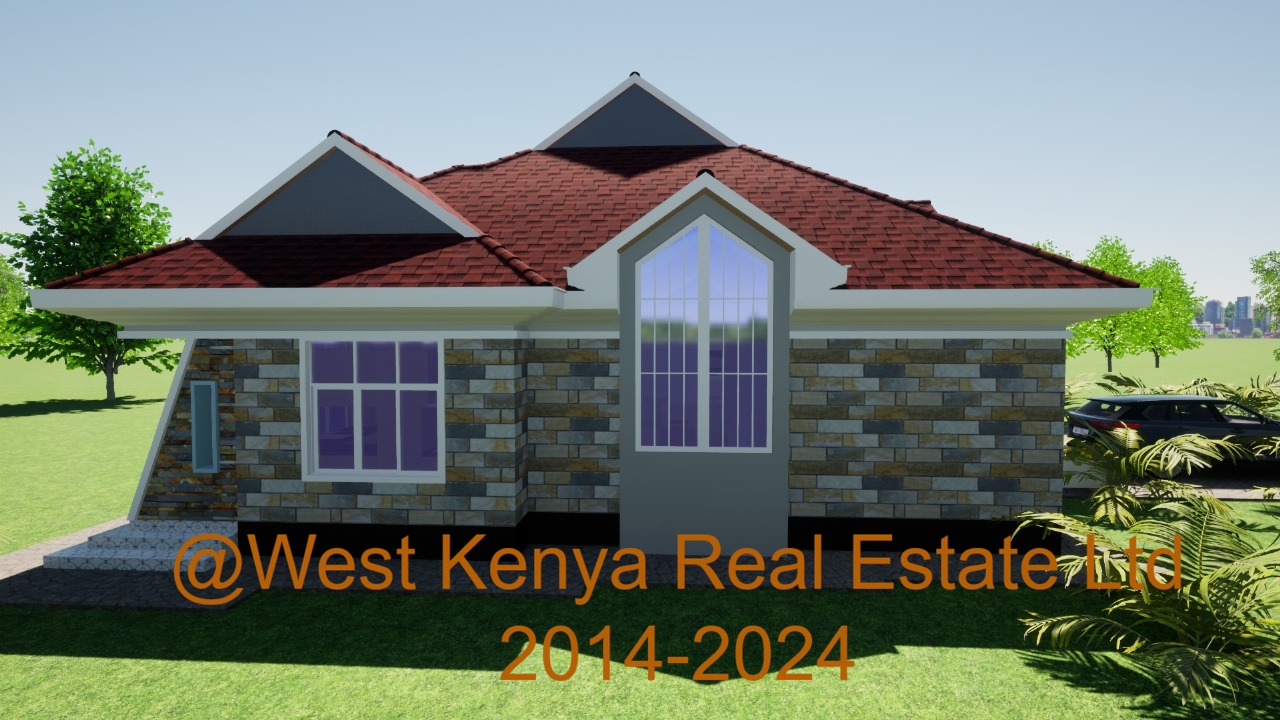
Swahili house designs in Kenya are continuously evolving as homeowners and architects blend traditional coastal architecture with modern technology, sustainability, and luxury living. While the core elements of Swahili design remain timeless, new trends are shaping the future of coastal homes to meet changing lifestyle needs and environmental concerns.
One of the biggest trends is the rise of eco-friendly coastal homes that prioritize energy efficiency and sustainable construction. Architects are increasingly using environmentally friendly local materials such as coral stone, reclaimed timber, natural stone, and lime plaster to reduce environmental impact while preserving authentic coastal aesthetics. These materials also improve indoor cooling and reduce long-term maintenance costs.
Smart home integration is also becoming common in modern Swahili villas. Homeowners now incorporate automated lighting systems, smart security, climate control technology, and remote-controlled appliances without compromising the traditional coastal appearance of the home. This combination of heritage and innovation appeals strongly to modern luxury buyers.
Solar-powered Swahili homes are gaining popularity due to rising energy costs and increased awareness of sustainable living. Many new coastal villas now include solar panels, rainwater harvesting systems, energy-efficient lighting, and natural ventilation strategies that reduce dependence on electricity and air conditioning.
Another emerging trend is minimalist luxury, where architects simplify interiors and focus on open spaces, clean lines, natural textures, and indoor-outdoor living. Resort-inspired residential homes are also becoming highly desirable, especially in areas such as Watamu, Diani, Kilifi, and Vipingo where homeowners seek private tropical retreats with hotel-style comfort.
The demand for Swahili coastal homes is also growing among diaspora homeowners investing in retirement homes, holiday villas, and family properties in Kenya. Additionally, the rapid growth of Airbnb and holiday rental businesses has increased demand for stylish coastal homes that offer authentic Kenyan coastal experiences while generating strong tourism income for investors.
Conclusion: Why Swahili Coastal House Designs Remain Timeless in Kenya
Swahili coastal house designs continue to stand out as some of the most beautiful and practical architectural styles in Kenya. Their timeless appeal comes from the perfect balance between cultural heritage, climate-responsive design, and modern luxury living. From the historic streets of Lamu to the modern villas of Watamu, Kilifi, and Diani, Swahili architecture continues to influence how homeowners design comfortable and elegant tropical homes.
One of the greatest strengths of Swahili architecture is its ability to naturally adapt to Kenya’s coastal climate. Features such as open courtyards, thick coral stone walls, shaded verandas, and high ceilings improve airflow and reduce indoor heat, creating comfortable living spaces without excessive dependence on artificial cooling systems. These environmentally friendly design principles make Swahili homes highly sustainable and energy efficient in today’s world.
Swahili homes also play an important role in preserving Kenya’s rich coastal heritage. Traditional carved wooden doors, arches, natural materials, and handcrafted finishes reflect centuries of cultural influence from African, Arab, Persian, and Indian communities that shaped the East African coast. Modern architects continue incorporating these elements into contemporary homes to preserve authenticity while meeting current lifestyle expectations.
Today, the growing popularity of Swahili coastal homes among homeowners, investors, and diaspora families shows how relevant this architectural style remains in modern Kenya. Whether designed as luxury beachfront villas, family residences, or holiday homes, Swahili house designs offer a unique blend of elegance, sustainability, and tropical comfort.
More than just architectural styles, Swahili homes represent a lifestyle deeply connected to culture, relaxation, natural beauty, and sustainable coastal living.