Discover practical small house designs for low budgets in Kenya, including affordable plans, construction costs, materials, and expert tips to help you build a cost-effective and modern home in 2026.
Introduction
Kenya is experiencing a steady rise in demand for affordable housing, driven by rapid urbanization, population growth, and the increasing cost of land and construction materials. In both urban centres and growing satellite towns, more people are seeking practical and cost-effective ways to own homes without overstretching their finances. This shift has made small house designs for low budgets in Kenya one of the most searched and relevant topics in the construction and real estate sector today.
Small houses have become the preferred solution for many low-income and middle-income earners because they offer a realistic path to homeownership. Instead of struggling with expensive, oversized structures, many Kenyans are now opting for compact designs that are easier to build, maintain, and expand gradually over time. These homes also allow homeowners to prioritize essential needs while keeping construction costs under control.
However, affordability remains a major challenge due to fluctuating material prices, labour costs, and hidden construction expenses. Many projects stall or exceed budget simply because of poor planning and lack of proper guidance.
This article explores practical small house designs for low budgets in Kenya, including cost breakdowns, affordable materials, and a step-by-step building guide to help you make informed and realistic construction decisions.
Why Small House Designs Are Becoming Popular in Kenya
Small house designs are rapidly gaining popularity in Kenya due to several economic and lifestyle changes shaping the housing market. One of the main drivers is urbanization, which has significantly increased demand for housing in cities and towns. As more people move to urban areas for work and business opportunities, land prices continue to rise, making large residential plots and expansive homes unaffordable for many individuals and families.
At the same time, satellite towns such as Kitengela, Juja, Ruiru, and the outskirts of Kisumu have experienced rapid growth. These areas offer more affordable land compared to city centres, attracting middle-income earners who prefer building compact and manageable homes rather than expensive large properties. This shift has encouraged the rise of practical small house designs for low budgets in Kenya, which fit well within limited plots and budgets.
There is also a growing preference for compact living, where homeowners prioritize functionality over excess space. Smaller houses are not only cheaper to build but also more cost-efficient in terms of maintenance, electricity usage, and general upkeep. Unlike larger homes that require high repair and utility costs, small houses are easier to manage and sustain over time.
Overall, small house designs provide a realistic balance between affordability, convenience, and long-term sustainability, making them an increasingly preferred choice across Kenya.
Key Factors That Affect Low-Budget House Construction in Kenya
Building a low-cost house in Kenya requires careful planning because several factors directly influence the total construction budget. One of the most important considerations is the relationship between land cost and construction cost. In many cases, buyers focus heavily on construction while underestimating how expensive land can be, especially in fast-growing urban and peri-urban areas. Balancing the two is essential for a successful project.
Labour is another key factor, with fundi rates varying depending on location, skill level, and demand. In some areas, experienced workers may charge higher rates, but they often deliver better quality and reduce costly mistakes during construction. Poor workmanship, on the other hand, can lead to repeated repairs and increased expenses.
Material prices also play a major role in shaping the final budget. Items such as cement, iron sheets, ballast, sand, and steel fluctuate frequently due to transport costs, inflation, and supply chain changes. These variations can significantly affect the overall cost of small house designs for low budgets in Kenya, especially if materials are not purchased strategically or in bulk.
Location differences also matter. Urban areas tend to have higher labour and material costs compared to rural regions, where resources may be more accessible and cheaper. In addition, design complexity influences cost—simple rectangular layouts are far more affordable than highly customized architectural plans.
Finally, county approval and building permits must be considered. These legal requirements vary by region and can add unexpected expenses if not properly planned for. Understanding all these factors helps homeowners make informed decisions and avoid budget overruns.
Best Small House Designs for Low Budgets in Kenya
When planning to build on a tight budget, choosing the right house design is one of the most important decisions you will make. In Kenya, affordability, land size, and functionality all influence the type of home that works best. Below are some of the most practical and cost-effective small house designs for low budgets in Kenya, starting with the simplest option.
1-Bedroom Simple House Design
A 1-bedroom house is one of the most affordable and efficient housing options available. It is ideal for singles, young couples, or individuals who want to start building a home gradually. This design focuses on basic living needs without unnecessary space, making it perfect for low-income earners or first-time homeowners.
The layout typically includes a living room, a kitchen, a bathroom, and one bedroom. Some designs may also include a small veranda or storage area depending on budget and available space. The simplicity of this design makes it easy to construct and maintain, especially when working with limited funds.
In terms of cost, a 1-bedroom house in Kenya can range from approximately KSh 400,000 to KSh 1.2 million, depending on factors such as location, materials used, finishing quality, and labour costs. Rural areas tend to be more affordable, while urban or peri-urban regions may be more expensive due to higher material and labour charges. By using basic finishes and standard materials, homeowners can significantly reduce construction costs.
One of the biggest advantages of this design is its simple rectangular layout. A rectangular structure minimizes complicated measurements, reduces wastage of materials, and speeds up construction. This efficiency makes it easier for fundis to execute the project without errors, which helps control costs. It also allows for future expansion, meaning homeowners can add extra rooms later when finances allow.
Overall, the 1-bedroom simple house design remains one of the most practical small house designs for low budgets in Kenya, offering affordability, simplicity, and flexibility for gradual development into a larger home.
2-Bedroom Low-Cost House Design
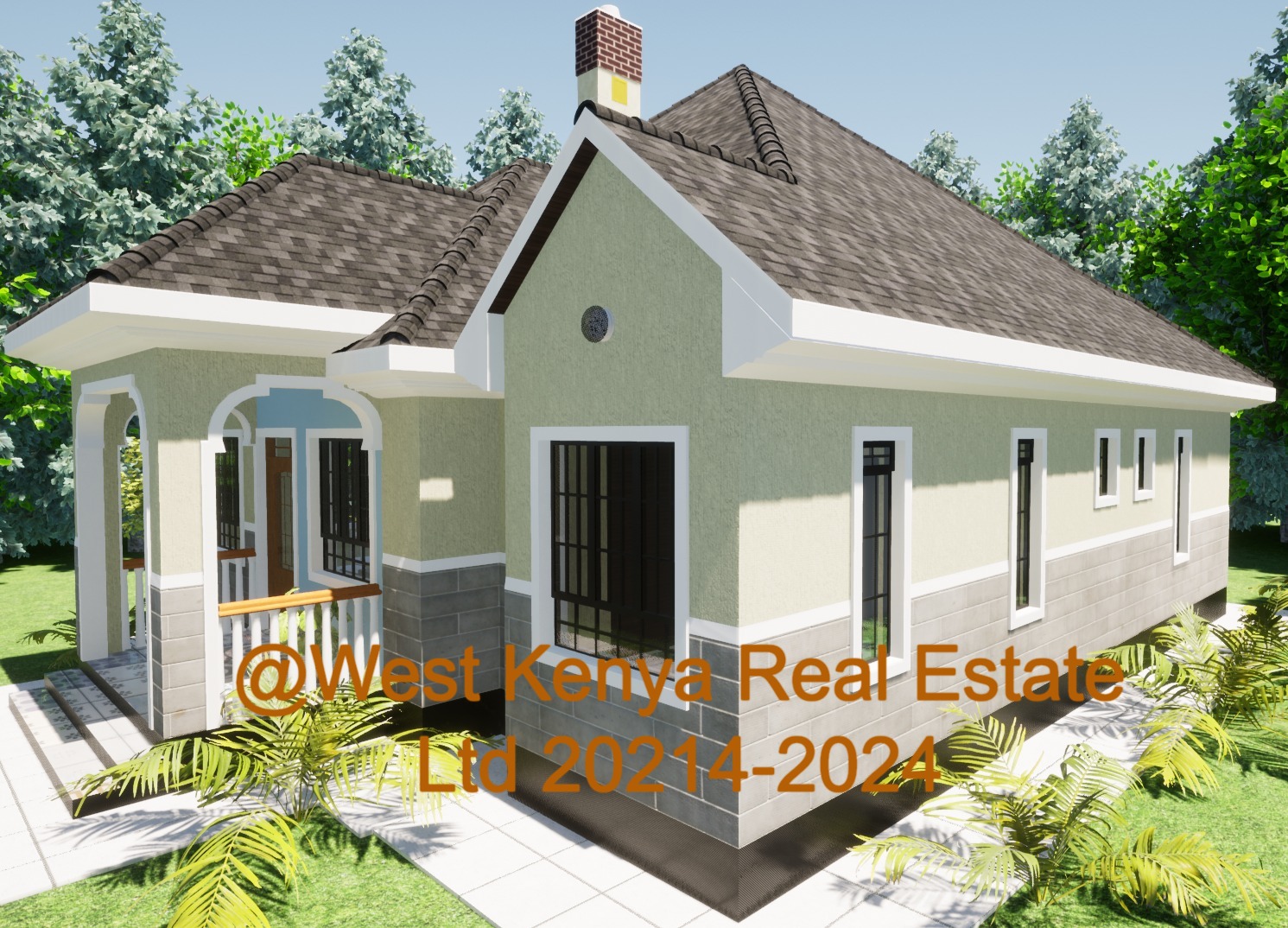
The 2-bedroom house design is the most popular choice among many Kenyan homeowners because it strikes a perfect balance between affordability and functionality. It is ideal for small families or couples who need extra space for children or guests without significantly increasing construction costs. This design usually includes a living room, kitchen, bathroom, and two bedrooms, making it practical and comfortable for everyday living.
One of its strongest advantages is the balance between privacy and affordability. Parents can enjoy a private bedroom while children or guests have their own separate space. Despite offering more rooms than a 1-bedroom house, it still remains relatively affordable when designed well and kept simple.
Space optimization is key in this design. Homeowners can reduce costs by using open-plan layouts where the living room and dining area are combined. Built-in storage, fewer corridors, and compact room sizes also help maximize usable space while minimizing construction expenses. A simple rectangular or L-shaped layout further reduces material wastage and labour costs, making it one of the most efficient small house designs for low budgets in Kenya.
3-Bedroom Budget House Design
The 3-bedroom budget house design is suitable for growing families who need more space but still want to keep construction costs under control. It offers a compact yet functional layout that includes a living room, kitchen, two bathrooms (optional depending on budget), and three bedrooms.
While slightly more expensive than smaller designs, it can still be built affordably with proper planning. The key is maintaining a simple floor plan without unnecessary extensions or complicated architectural features. This ensures that the house remains within budget while still offering comfort and functionality.
Cost-saving strategies include stacking wet areas like bathrooms and kitchens close together to reduce plumbing costs, using shared walls between rooms, and avoiding unnecessary corridors. A straightforward rectangular design also helps reduce roofing and foundation expenses, making the construction process more efficient.
Open Plan Studio House Design
The open plan studio house is the most affordable and ultra-budget-friendly option among small house designs in Kenya. It is typically designed as a single open space that combines the living area, bedroom, and kitchen, with only the bathroom separated.
This design is ideal for individuals, students, or investors looking to build rental units or Airbnb spaces. Because it involves minimal partitioning, construction costs are significantly reduced, and the building process is much faster compared to traditional house layouts.
The main advantage of this design is its simplicity. With fewer internal walls, less material is required, and labour costs are lower. It also allows for flexible use of space, making it suitable for compact urban plots where efficiency is a priority.
Overall, the open plan studio remains one of the most practical small house designs for low budgets in Kenya, especially for those looking to maximize returns from rental income or build on extremely tight budgets.
Estimated Construction Costs for Small Houses in Kenya (2026 Guide)
Understanding construction costs is essential when planning small house designs for low budgets in Kenya, especially because prices vary depending on location, materials, and labour. In 2026, the average cost of building a basic standard house in Kenya ranges from approximately KSh 35,000 to KSh 60,000 per square metre for simple finishes. This figure can go higher for modern finishes or complex designs, and lower in rural areas where labour and transport costs are reduced.
For a 1-bedroom house, the total estimated cost typically ranges between KSh 400,000 and KSh 1.2 million, depending on size and finishing level. A 2-bedroom house may cost between KSh 800,000 and KSh 2.5 million, making it the most common and balanced option for many families. A 3-bedroom budget house usually ranges from KSh 1.5 million to KSh 3.5 million, especially when built with simple finishes and a compact layout.
When budgeting, it is important to understand how costs are split. On average, materials account for about 60–70% of the total cost, while labour takes around 30–40%. Proper planning helps ensure neither category is underestimated, which can lead to project delays or unfinished structures.
However, many homeowners overlook hidden costs that significantly affect the total budget. These include unexpected foundation issues such as weak soil requiring extra reinforcement, transport costs for materials to remote sites, and water and electricity connection fees, which can be surprisingly high depending on the location. Additionally, county approvals and permits are often underestimated but are necessary legal requirements before construction begins.
By factoring in all these elements early, homeowners can avoid financial surprises and better plan their small house designs for low budgets in Kenya, ensuring smoother and more realistic project execution.
Affordable Building Materials for Low-Cost House Designs
Choosing the right materials plays a major role in reducing the overall cost of small house designs for low budgets in Kenya. One of the most common decisions is between machine-cut stones and machine blocks. Machine-cut stones are widely used because they are strong, readily available, and relatively affordable in many parts of Kenya. Machine blocks, on the other hand, offer faster construction but may vary in strength depending on production quality.
Precast panels are an emerging trend in Kenya’s construction sector. They allow faster building times and reduced labour costs since sections of the house are manufactured off-site and assembled on location. Although still gaining popularity, they are becoming a smart option for budget-conscious developers.
For roofing, iron sheets remain the most affordable and practical choice compared to tiles, which are more expensive and often used in high-end designs. Iron sheets are durable and suitable for low-cost housing projects when properly installed.
Cement optimization is another key strategy. Mixing cement carefully, using correct ratios, and avoiding wastage can significantly reduce costs over time. Similarly, sourcing sand from reliable and legal suppliers helps avoid poor-quality material that may lead to structural issues or additional repair costs.
Recycled materials such as doors, windows, or steel can be used carefully to reduce expenses, but they must be inspected for quality and safety before installation. Finally, local materials are generally more affordable than imported ones due to reduced transport and taxation costs, making them ideal for low-budget construction projects.
By making smart material choices, homeowners can significantly lower costs while still achieving strong and durable small house designs for low budgets in Kenya.
Smart Budgeting Tips for Building a Small House in Kenya
Successful construction of small house designs for low budgets in Kenya depends heavily on smart budgeting and disciplined financial planning. One of the most effective strategies is building in phases, also known as incremental construction. Instead of trying to complete the entire house at once, homeowners can start with the foundation and core structure, then gradually add rooms, finishes, and extensions as funds become available. This approach reduces financial pressure and ensures steady progress.
Setting a realistic budget before starting is equally important. Many projects fail because homeowners underestimate costs or rely on rough estimates. A well-planned budget should include materials, labour, transport, permits, and a contingency fund for unexpected expenses.
Avoiding design changes during construction is another key rule. Altering plans midway often leads to wasted materials, delays, and increased labour costs. It is always cheaper to finalize the design before breaking ground.
Hiring a quantity surveyor can also make a significant difference compared to relying solely on fundi estimates. A quantity surveyor provides accurate cost breakdowns, helping homeowners avoid guesswork and financial surprises. Although this may seem like an extra cost, it often saves money in the long run.
Bulk purchasing of materials is another smart strategy. Buying cement, steel, and other essentials in larger quantities can reduce unit costs and minimize transport expenses. However, proper storage is necessary to avoid damage or theft.
Finally, monitoring daily site progress ensures accountability and quality control. Regular supervision helps prevent material wastage, poor workmanship, and delays. Staying involved in the construction process ensures that every shilling is used efficiently.
By applying these budgeting strategies, homeowners can successfully manage small house designs for low budgets in Kenya while avoiding unnecessary financial strain and project setbacks.
Step-by-Step Process of Building a Low-Cost House in Kenya
Building small house designs for low budgets in Kenya becomes much easier when you follow a clear and structured construction process. Each stage plays an important role in ensuring the project is completed efficiently, within budget, and according to required standards.
The first step is land preparation and surveying. This involves clearing the site, confirming boundaries, and conducting a soil test where necessary. Proper preparation helps avoid future structural problems and ensures the foundation is built on stable ground.
Next is designing with an architect or draftsman. A simple, well-planned design is crucial for low-cost housing because it reduces unnecessary complexity and keeps construction costs manageable. At this stage, homeowners should finalize room sizes, layout, and future expansion plans.
After design approval comes county approvals, which are mandatory before construction begins. These permits ensure the building complies with local regulations and help avoid legal issues or demolition orders.
The fourth stage is the foundation, which is one of the most critical parts of the structure. A strong foundation ensures the durability and safety of the house, so quality materials and proper workmanship are essential.
This is followed by walling and roofing, where the main structure takes shape. Simple rectangular designs help reduce costs and speed up construction at this stage.
The next step is finishing, which includes installing doors, windows, flooring, painting, and basic interior work. This stage significantly affects the final appearance and comfort of the house.
Finally, utilities installation involves connecting water, electricity, and drainage systems to make the house fully functional.
Throughout the entire process, supervision is very important to ensure quality work and avoid material wastage. Homeowners can choose between hiring a professional contractor for full management or working directly with fundis for more control but requiring closer supervision.
Following this step-by-step approach ensures smooth execution of affordable small house designs for low budgets in Kenya.
Common Mistakes That Increase Construction Costs
Many homeowners struggle to complete small house designs for low budgets in Kenya within their expected budget not because construction is too expensive, but because of avoidable mistakes made during planning and execution. One of the most common errors is starting a project without a full and clear plan. Without proper drawings, cost estimates, and timelines, it becomes easy to overspend and make costly adjustments along the way.
Poor fundi management is another major issue. When workers are not properly supervised, material wastage, delays, and substandard workmanship often occur, leading to additional repair costs. Closely related to this is buying construction materials without proper estimates. Purchasing materials randomly instead of following a bill of quantities can result in shortages, excess stock, or financial mismanagement.
Changing house designs during construction is also a costly mistake. Even small adjustments can affect foundations, walls, and roofing, forcing rework that increases both labour and material costs. Similarly, ignoring soil tests can lead to foundation problems, especially in areas with weak or unstable soil, resulting in expensive structural corrections later.
Finally, hiring unqualified contractors or relying on inexperienced builders often leads to poor workmanship and long-term maintenance issues. While they may appear cheaper at first, the hidden costs of repairs and delays can significantly exceed initial savings.
Avoiding these mistakes is essential for anyone planning small house designs for low budgets in Kenya, as it ensures better cost control, improved quality, and a smoother construction process from start to finish.
Financing Options for Building Small Houses in Kenya
Financing is one of the biggest challenges when planning small house designs for low budgets in Kenya, but there are several practical options available depending on your income level and long-term goals. One of the most common sources is SACCO loans. Many SACCOs in Kenya offer affordable interest rates and flexible repayment terms, making them suitable for individuals who want to build gradually.
Bank mortgages from institutions such as HF Group, KCB, and Equity Bank also provide structured financing for home construction. Although mortgages often require more documentation and a stable income, they can support larger or more advanced housing projects.
The government’s affordable housing programs are another growing option. These initiatives aim to make homeownership easier through subsidized housing units and financing schemes designed for low- and middle-income earners.
Chama contributions remain a popular grassroots financing method in Kenya. Group savings allow members to pool resources and access lump sums that can be used for land purchase or initial construction stages.
Personal savings are still the most flexible and risk-free way to finance construction. Many homeowners prefer saving in phases to avoid debt and maintain full control of their projects.
Finally, an incremental funding approach works well for small house designs for low budgets in Kenya. Instead of waiting for full financing, homeowners build in stages as funds become available. This method reduces financial pressure and ensures continuous progress without overwhelming debt.
Rural vs Urban Small House Designs in Kenya
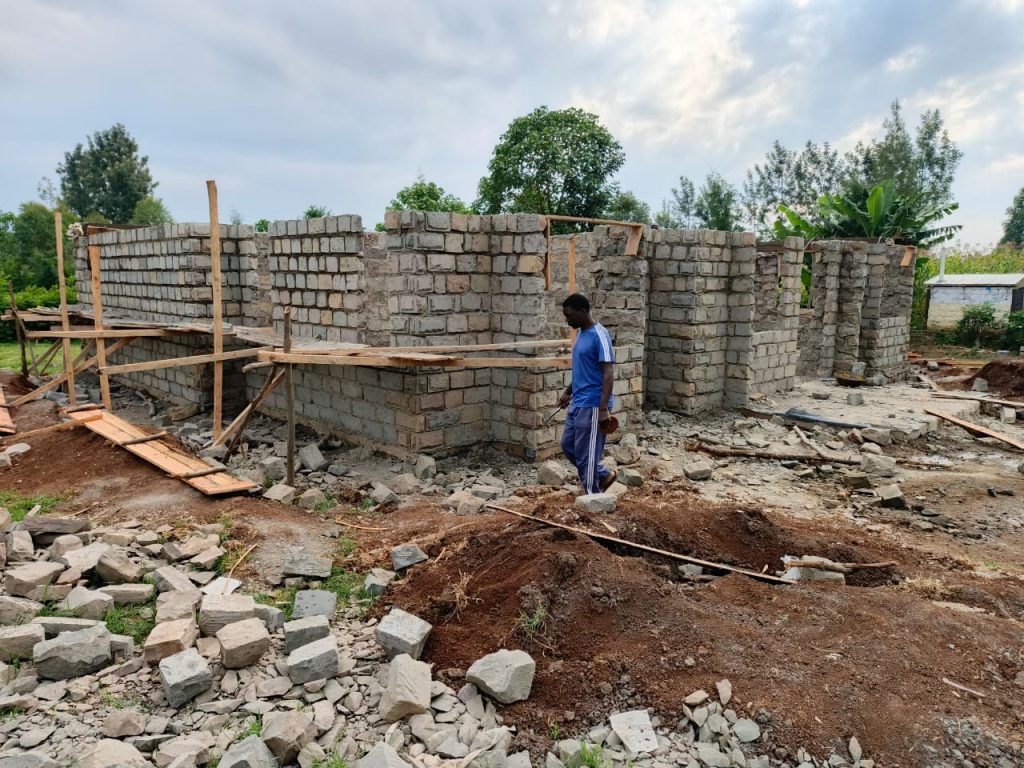
When planning small house designs for low budgets in Kenya, location plays a major role in determining cost, design, and overall construction approach. One of the most noticeable differences is the cost of building in rural areas versus urban centres. In rural areas, construction is generally more affordable due to lower land prices, cheaper labour, and easier access to locally available materials. In contrast, urban areas tend to have higher costs for both labour and materials, significantly increasing the total budget.
Design flexibility is also greater in rural settings. Homeowners can experiment with layouts, expand gradually, and use simpler approval processes in some regions. This allows for more freedom in designing and modifying the house over time without strict limitations.
Urban areas, however, come with stricter planning regulations and building codes. County approvals are more detailed, and there may be restrictions on plot coverage, setbacks, and building height. These regulations can limit design options and increase compliance costs.
Land availability also differs significantly. While urban land is scarce and expensive, rural land is more readily available but may lack infrastructure such as roads, water, and electricity. This creates a trade-off between affordability and convenience.
The best strategy depends on the homeowner’s goals. Those seeking long-term investment and rental income may prefer urban or peri-urban areas, while those focusing on affordability and space may benefit more from rural construction. In both cases, proper planning is essential to ensure successful small house designs for low budgets in Kenya that meet both financial and lifestyle needs.
Modern Trends in Small House Designs in Kenya
The housing sector in Kenya is rapidly evolving, and new ideas are shaping how small house designs for low budgets in Kenya are planned and constructed. One of the strongest trends is minimalist design, which focuses on simplicity, clean layouts, and eliminating unnecessary spaces. This approach reduces construction costs while improving functionality and modern appeal.
Container homes are also emerging as an innovative and affordable housing solution. Built using recycled shipping containers, they offer fast construction times and lower material costs, making them attractive for low-budget homeowners and rental investors.
Prefabricated housing is another growing trend. These homes are partially or fully manufactured off-site and assembled on location, reducing labour costs and construction time significantly. Although still gaining acceptance, they are becoming more popular in urban and peri-urban developments.
Energy-efficient designs are also gaining attention. Features such as natural lighting, proper ventilation, and thermal insulation help reduce long-term electricity costs. This makes homes more affordable to maintain over time.
Open kitchen-living layouts are increasingly preferred in modern small houses because they maximize space and create a more spacious feel within a limited footprint. This design is both practical and cost-effective.
Additionally, rainwater harvesting systems are being integrated into many new homes to reduce water bills and ensure sustainable water supply, especially in areas with unreliable water access.
Overall, these modern innovations are transforming small house designs for low budgets in Kenya, making them more efficient, sustainable, and suitable for today’s changing lifestyle needs.
Conclusion – Building a Small Affordable House in Kenya Is Achievable
Building a home does not have to be overwhelming or financially impossible. With the right approach, small house designs for low budgets in Kenya can be turned into a practical and achievable goal for many individuals and families. Throughout this guide, one key message remains clear: success in low-cost housing depends on smart decisions made from the very beginning.
Firstly, smart design choices play a major role in reducing construction costs. Simple, compact layouts are not only cheaper to build but also easier to maintain and expand in the future. Secondly, proper budgeting is essential to avoid financial strain and unexpected interruptions during construction. A well-planned budget ensures every stage of the project is financially supported.
Material selection also has a direct impact on total cost and durability. Choosing locally available and cost-effective materials helps keep the project within budget without compromising quality. In addition, proper supervision on-site ensures that materials are not wasted and workmanship remains consistent, preventing costly mistakes.
For many Kenyans, owning a home is a lifelong dream, and it is completely achievable with discipline, planning, and the right guidance. Whether building in rural or urban areas, starting small and growing gradually is a realistic and sustainable approach.
Ultimately, careful planning before construction begins is the foundation of successful small house designs for low budgets in Kenya, ensuring that your investment leads to a safe, affordable, and lasting home.